


Listen to the article
Political Polarization Fuels Misinformation Crisis in America
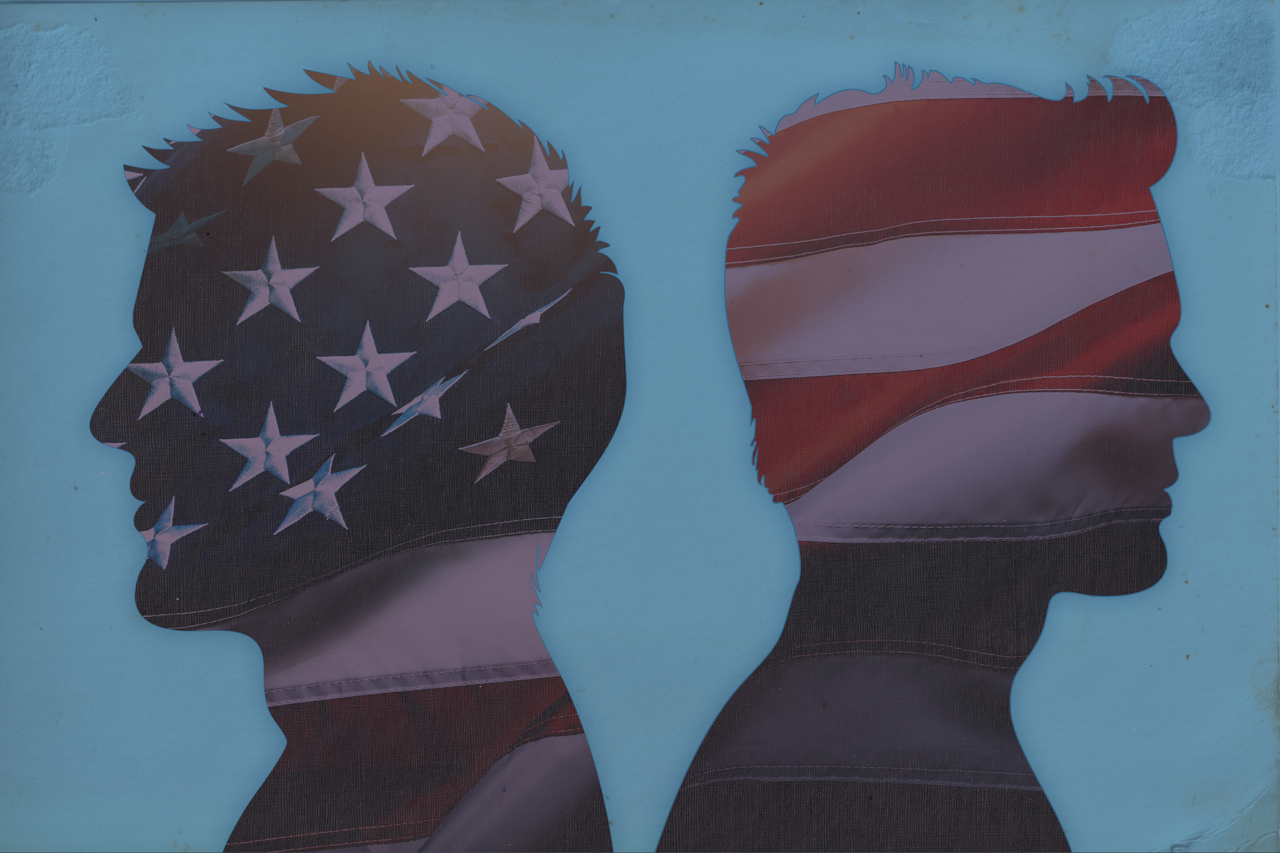
The deepening divide in American politics has evolved beyond mere ideological differences, creating an environment where emotional polarization now dominates public discourse. Citizens increasingly harbor strong negative feelings toward those on the opposite side of the political spectrum, though experts caution against viewing this as universal among all Democrats and Republicans.
Social media platforms have significantly exacerbated this problem. These digital spaces not only provide users with public forums to express political views but also employ sophisticated algorithms that create personalized content feeds. For politically active users, these algorithms often construct digital echo chambers, presenting only information that aligns with existing beliefs and reinforcing political biases.
“The more solidified and confident we become in our beliefs, the more likely we are to make our voices heard,” explains media researchers who study this phenomenon. This self-reinforcing cycle leads to greater polarization as users become increasingly convinced of their viewpoints’ superiority.
While personalized content is fundamental to platforms like Instagram and TikTok’s business models, the political consequences can be severe. Users exposed to only one perspective develop a constrained political outlook based on incomplete information. This one-sided consumption, particularly on platforms where unfiltered opinions flourish, fosters close-mindedness and confusion.
Media literacy experts emphasize that social media should not serve as anyone’s primary news source. Information consumed through these channels often passes through multiple layers of opinion before reaching viewers, frequently leading to distortion. Developing a healthy skepticism toward online content has become essential in navigating today’s information landscape.
The dangers of this polarized environment became tragically apparent on September 10 when right-wing activist Charlie Kirk was assassinated at Utah Valley University. Kirk, known for advocating conservative positions on gun rights, abortion, traditional family values, and opposing diversity initiatives, became the center of a whirlwind of misinformation following his death.
In one disturbing example, Michael Mallinson was falsely identified on social media as Kirk’s shooter. The posts claimed he was a registered Democrat in Utah, despite Mallinson having never visited the state. In an interview with CBC, Mallinson expressed shock not only about the shooting but about being labeled a suspect. The false accusations led to numerous threats against him and his family, forcing him to contact local police for protection.
Similarly, conspiracy theories emerged claiming Kirk’s bodyguards were complicit in the assassination, with social media users analyzing hand gestures as supposed evidence. Comment sections filled with elaborate theories attempting to “prove” a planned attack, ranging from discussions of wind speed calculations to allegations of sign language being used to communicate with the shooter.
“Our loyalty to political parties is obstructing our integrity to the truth,” notes Dr. Sarah Henderson, professor of political communication at Georgetown University. “When our first reaction to tragedy is to attack the opposite party through blame, critique their response, or claim they aren’t properly mourning, we’ve crossed a dangerous line.”
The consequences of such misinformation extend beyond political discord. Mallinson faced genuine safety concerns due to false accusations, while the bodyguards’ reputations were threatened by unfounded conspiracy theories. Moreover, the intense focus on Kirk’s assassination overshadowed coverage of a school shooting at Evergreen High School in Colorado that occurred the same day, revealing how political narratives can dictate which tragedies receive public attention.
Media experts point to a troubling trend: Americans increasingly use instances of political violence to reinforce tribal divisions and assert their party’s moral superiority. Grief and trauma are weaponized to further political agendas rather than addressed with sensitivity and respect for those affected.
The solution requires a renewed emphasis on media literacy alongside political engagement. Individual responsibility in critically evaluating news and political content is essential to combat the spread of misinformation. Despite widespread criticism of political polarization, societal behaviors continue to enable and accelerate its growth.
As America approaches another contentious election cycle, the ability to distinguish fact from fiction and engage respectfully across political differences has never been more crucial to maintaining a healthy democracy.
Verify This Yourself
Use these professional tools to fact-check and investigate claims independently
Reverse Image Search
Check if this image has been used elsewhere or in different contexts
Ask Our AI About This Claim
Get instant answers with web-powered AI analysis
Related Fact-Checks
See what other fact-checkers have said about similar claims
Want More Verification Tools?
Access our full suite of professional disinformation monitoring and investigation tools

8 Comments
The article highlights a troubling societal trend. While I appreciate the role of social media in giving more people a voice, the negative consequences of polarization and misinformation are hard to ignore. I’m curious to see what reforms or innovations might help restore more balanced discourse.
This is a concerning trend. Social media algorithms creating echo chambers that reinforce political biases and drive polarization. Misinformation thrives in these divided environments. We need to find ways to promote more balanced and nuanced discourse.
Hmm, this is a complex issue without easy solutions. Increasing political divisions and misinformation are worrying, but I’m curious to hear more expert perspectives on how to address the root causes. What policy or technological changes could help mitigate these problems?
That’s a great point. Policymakers and tech companies will need to work together to find effective solutions that balance free speech with curbing the spread of misinformation. Improving media literacy could also empower citizens to think critically about online content.
As a mining investor, I’m concerned about how this political divide and misinformation could impact the commodities sector. Uncertainty and volatility are never good for business. I hope industry leaders can find ways to rise above the partisan bickering and focus on pragmatic solutions.
The article highlights some worrying trends around political polarization and the spread of misinformation. While I’m not surprised, it’s still concerning to see the data. I’m curious to hear more perspectives on potential solutions – both from policymakers and technology companies. Restoring more balanced, nuanced discourse should be a priority.
As an investor in mining and energy, I’m concerned about how this political divide and misinformation could impact commodity markets and business confidence. Increased volatility and uncertainty are never good for the economy. I hope industry leaders can find ways to rise above partisan politics and focus on pragmatic solutions.
This is a complex issue without easy answers. The proliferation of misinformation is certainly worrying, but I’m hesitant to support heavy-handed censorship or government intervention. Perhaps a multi-pronged approach focused on media literacy, platform design changes, and strengthening democratic norms could be more effective.