

Listen to the article
In an era dominated by social media and instant information access, health misinformation has become increasingly widespread, creating challenges for those seeking reliable medical advice online. Experts warn that distinguishing between credible health information and misleading claims has never been more difficult—or more important.
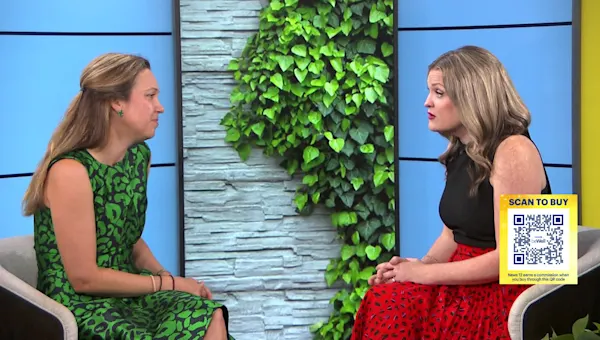
“The internet is flooded with health advice, much of it unverified or outright inaccurate,” explains Dr. Erin Nance, orthopedic surgeon and author of the newly released book “Little Miss Diagnosed.” “Patients often come to appointments having already self-diagnosed based on information they found online, which can complicate proper treatment.”
Recent studies from the World Health Organization indicate that health misinformation spreads six times faster than factual content on social media platforms. This rapid dissemination has created what some health professionals describe as an “infodemic” running alongside legitimate health concerns.
Dr. Nance recommends several strategies for consumers navigating the complex landscape of online health information. “First, consider the source. Government health agencies, academic medical centers, and established medical associations typically provide evidence-based information that undergoes rigorous review before publication,” she notes.
Another important factor is checking publication dates, as medical understanding evolves constantly. Information that might have been considered accurate five years ago could be outdated today, particularly in rapidly advancing fields like immunology or cancer treatment.
Social media platforms have become particularly problematic venues for health information. A 2023 study by the Journal of Medical Internet Research found that 67% of health-related content on popular platforms contained inaccuracies, with cosmetic procedures, weight loss, and alternative medicine among the most misrepresented topics.
“The algorithms that drive social media prioritize engagement over accuracy,” Dr. Nance points out. “Content that generates strong emotional reactions—like miracle cures or dramatic health transformations—tends to receive more attention regardless of its validity.”
Health experts also caution against relying on personal testimonials, which can be compelling but often lack scientific rigor. “Someone’s positive experience with a particular treatment doesn’t necessarily mean it’s effective or safe for the general population,” says Dr. Nance. “Anecdotal evidence should never replace clinical studies or professional medical advice.”
The rise of artificial intelligence tools has further complicated the landscape. AI-generated content can appear authoritative while containing subtle inaccuracies or completely fabricated information. Many AI systems draw from vast datasets that may include outdated or unverified health claims.
Consumer advocacy groups have called for stronger regulation of health information online, but progress has been slow. In the meantime, medical professionals encourage patients to maintain open communication with healthcare providers about information found online.
“I always tell my patients that bringing questions from their online research to appointments is perfectly acceptable,” Dr. Nance says. “In fact, I welcome it. A good doctor should be willing to discuss why certain information may or may not apply to your specific situation.”
For those researching symptoms or treatments online, experts recommend cross-referencing information across multiple reliable sources. Organizations like the National Institutes of Health, Mayo Clinic, Cleveland Clinic, and major university medical centers typically maintain extensive online resources with peer-reviewed information.
Digital literacy initiatives have emerged in response to growing concerns about health misinformation. Programs offered through public libraries, community colleges, and senior centers aim to equip consumers with the skills needed to evaluate online health claims critically.
“We’re not suggesting people avoid the internet for health information entirely,” Dr. Nance emphasizes. “It’s about developing a healthy skepticism and knowing how to separate fact from fiction. The internet can be an incredible resource when used properly.”
As digital platforms continue to evolve, the challenge of identifying reliable health information will likely persist. For now, experts agree that combining online research with professional medical consultation remains the most balanced approach to personal health management.
Verify This Yourself
Use these professional tools to fact-check and investigate claims independently
Reverse Image Search
Check if this image has been used elsewhere or in different contexts
Ask Our AI About This Claim
Get instant answers with web-powered AI analysis
Related Fact-Checks
See what other fact-checkers have said about similar claims
Want More Verification Tools?
Access our full suite of professional disinformation monitoring and investigation tools

8 Comments
Interesting to see the comparison of misinformation vs. factual content spread on social media. Definitely a wake-up call about the importance of digital health literacy. These tips provide a good framework for navigating this landscape.
Navigating health info online can be tricky, with so much misinformation out there. Good to see tips on verifying sources and avoiding self-diagnosis based on dubious claims. Credibility is key when seeking reliable medical advice.
Absolutely. It’s important to be cautious and check the credentials of any health sites or experts before taking their advice. Reputable sources like government agencies and academic institutions are a safer bet.
Interesting to see the stat about health misinformation spreading 6x faster than factual content online. Really highlights the challenge of cutting through the noise to find trustworthy information. These tips seem like a good starting point.
That’s a concerning statistic. It just underscores the importance of being discerning consumers of online health info. Verifying sources and not self-diagnosing based on sketchy claims is crucial.
This article touches on a really important issue. With so much health info out there, it can be hard to know what to trust. Focusing on credible, established sources seems like a smart approach to cut through the noise.
Agreed. It’s easy to get overwhelmed and confused by the sheer volume of health advice online. Taking the time to verify sources and avoid self-diagnosis is key to getting accurate, reliable information.
As someone who relies on the internet for a lot of health research, I appreciate these practical tips. Checking credentials and provenance of sources is so important to avoid falling for misinformation. Glad to see experts weighing in on this issue.