


Listen to the article
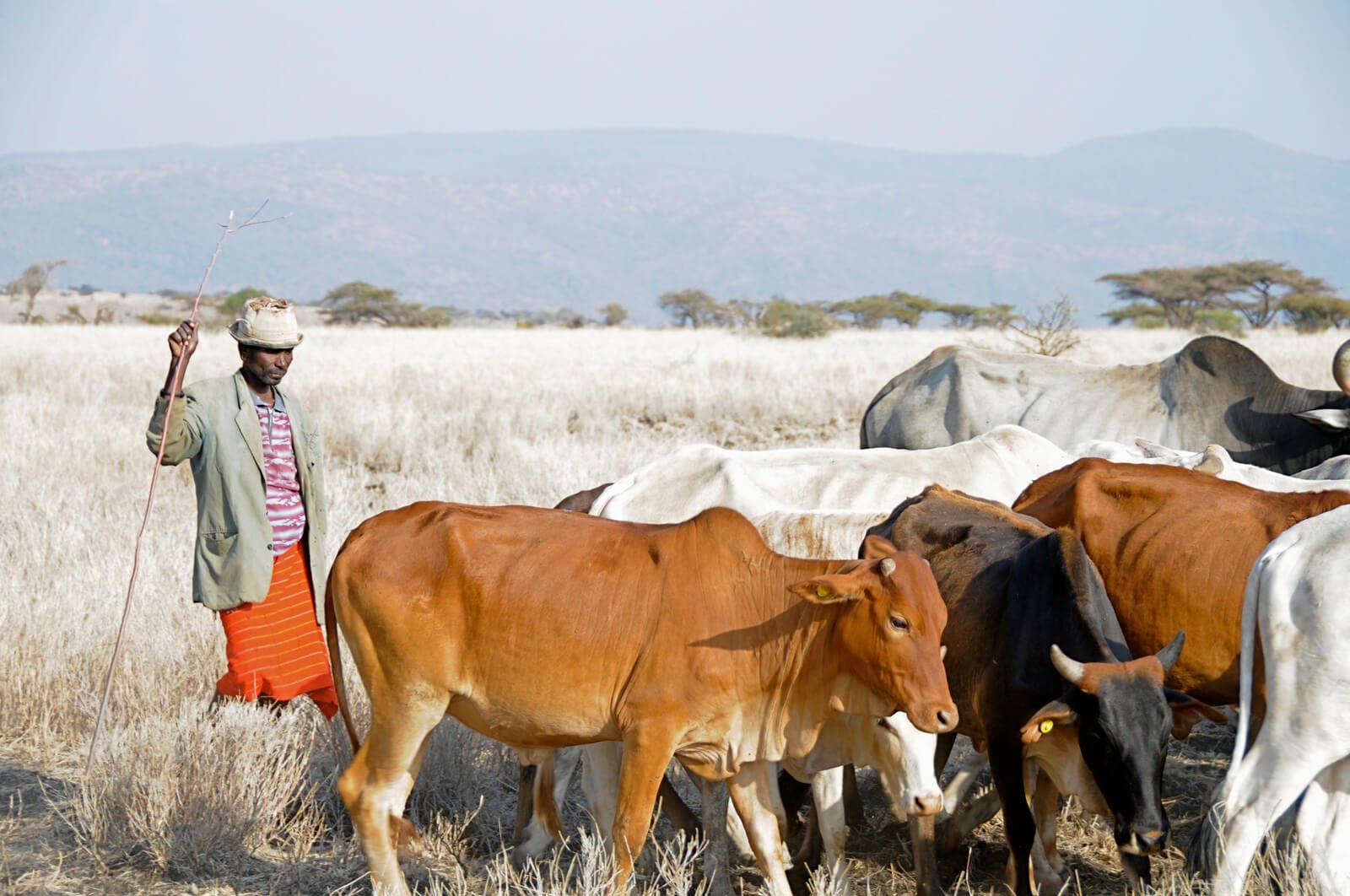
Kenya’s livestock sector is facing a mounting crisis as farmers continue to grapple with expensive and substandard animal feed, threatening both their livelihoods and the country’s food security. The situation has deteriorated over recent years, with feed costs skyrocketing and quality concerns growing more acute.
According to frustrated farmers across the country, the poor quality feed is visibly weakening their livestock, resulting in significant drops in milk production and undermining their profitability. Many small-scale farmers, who form the backbone of Kenya’s agricultural economy, report operating at minimal margins or at losses due to these escalating input costs.
The Association of Kenya Feeds Manufacturers (Akefema) attributes the crisis primarily to the dwindling supply of essential raw materials needed for quality feed production. Maize and soybeans, which serve as key ingredients in livestock feed formulations, have seen their prices surge by approximately 30 percent in the past year alone.
Joseph Karuri, Akefema’s Chairperson, explained that these challenges have been further exacerbated by increasingly unpredictable weather patterns affecting various regions throughout Kenya. The combination of supply shortages, price hikes, and climate variability has created a perfect storm for the livestock sector.
“The result of all these challenges is unaffordable feed and loss of livelihoods that have affected the national food security,” Karuri stated, highlighting the broader implications for Kenya’s agricultural landscape and food independence.
The crisis extends beyond immediate economic impacts on farmers. As feed costs continue to rise, these expenses are inevitably passed on to consumers through higher prices for milk, meat, and other animal products. This ripple effect threatens to put essential protein sources beyond the reach of many Kenyans, potentially worsening nutrition outcomes in a country already facing food security challenges.
Industry experts point to potential solutions that have proven successful in other nations. According to Karuri, countries with robust food security and competitive livestock sectors have embraced genetically modified (GMO) maize and soybean meals in their feed production processes. These modified crops typically offer higher yields and greater resistance to pests and drought, potentially addressing some of the supply constraints currently plaguing Kenya’s feed industry.
However, the adoption of GMO technology in Kenya has been hampered by persistent misinformation and public skepticism. Despite scientific consensus on the safety of approved GMO crops, cultural resistance and concerns about multinational control of seed supply chains have slowed implementation of these potential solutions.
The animal feed crisis highlights the complex interplay between agricultural policy, climate change, technology adoption, and food security in Kenya. As one of East Africa’s largest economies and a regional agricultural hub, Kenya’s struggles in this sector could have broader implications for neighboring countries that look to it as a model for agricultural development.
Agricultural experts suggest that a multifaceted approach is needed, including potential policy reforms to streamline GMO approvals, investment in local production capacity for feed ingredients, and education campaigns to address misconceptions about agricultural biotechnology.
Without intervention, the continued deterioration of Kenya’s livestock feed sector threatens to undermine decades of progress in building agricultural resilience and improving food security in the region. For thousands of farmers across the country, the resolution of this crisis is not merely an economic concern but an existential one, determining whether their traditional livelihoods remain viable in a changing climate and evolving agricultural landscape.
Verify This Yourself
Use these professional tools to fact-check and investigate claims independently
Reverse Image Search
Check if this image has been used elsewhere or in different contexts
Ask Our AI About This Claim
Get instant answers with web-powered AI analysis
Related Fact-Checks
See what other fact-checkers have said about similar claims
Want More Verification Tools?
Access our full suite of professional disinformation monitoring and investigation tools

8 Comments
The livestock sector in Kenya is certainly facing a challenging situation with the rising costs and quality concerns around animal feed. It will be interesting to see if GMO solutions can help address the shortage of key raw materials like maize and soybeans. Thoughtful policy and innovation will be crucial to support small-scale farmers during this difficult period.
Agreed, finding sustainable and affordable feed solutions is critical for the long-term viability of Kenya’s livestock industry. Exploring GMO options could be one avenue, but they would need to be carefully evaluated for potential impacts.
The rising costs of animal feed are clearly taking a toll on Kenya’s small-scale livestock farmers. While GMO crops may offer a potential remedy, their implementation would require careful consideration of potential tradeoffs and unintended effects. A holistic, evidence-based approach that prioritizes farmer livelihoods and food security seems prudent.
The livestock sector’s struggle with rising feed costs and quality issues in Kenya is a complex challenge. While GMO crops may offer a potential solution, their adoption would require extensive analysis of potential impacts on farmers, food security, and the environment. A holistic, evidence-based strategy that prioritizes long-term sustainability seems prudent.
Interesting to see Kenya exploring GMO solutions to address the challenges in its livestock sector. However, the potential risks and long-term implications of such an approach will need to be weighed carefully. Sustainable, farmer-centric solutions that balance productivity, affordability, and environmental impact could be a wiser path forward.
Agreed. Any technological interventions should be thoroughly evaluated through the lens of Kenya’s unique context and the needs of its small-scale livestock producers. A balanced approach that considers multiple stakeholder perspectives will be crucial.
This is a complex issue with economic, environmental, and food security implications. While GMO crops may boost feed supplies, their use would require robust testing and monitoring to ensure no unintended consequences. A balanced, multifaceted approach that considers farmer needs, market dynamics, and long-term sustainability seems prudent.
That’s a good point. Any solutions need to be thoroughly evaluated from multiple angles to avoid creating new problems down the road. Maintaining open dialogue with all stakeholders will be key as Kenya explores options to bolster its livestock sector.