


Listen to the article
Russia and China Escalate AI-Driven Disinformation Campaigns Against Western Democracies
The use of artificial intelligence and deepfake technologies has dramatically increased the scale and sophistication of disinformation campaigns orchestrated by Russia and China, creating unprecedented challenges for Western intelligence agencies and democratic institutions worldwide.
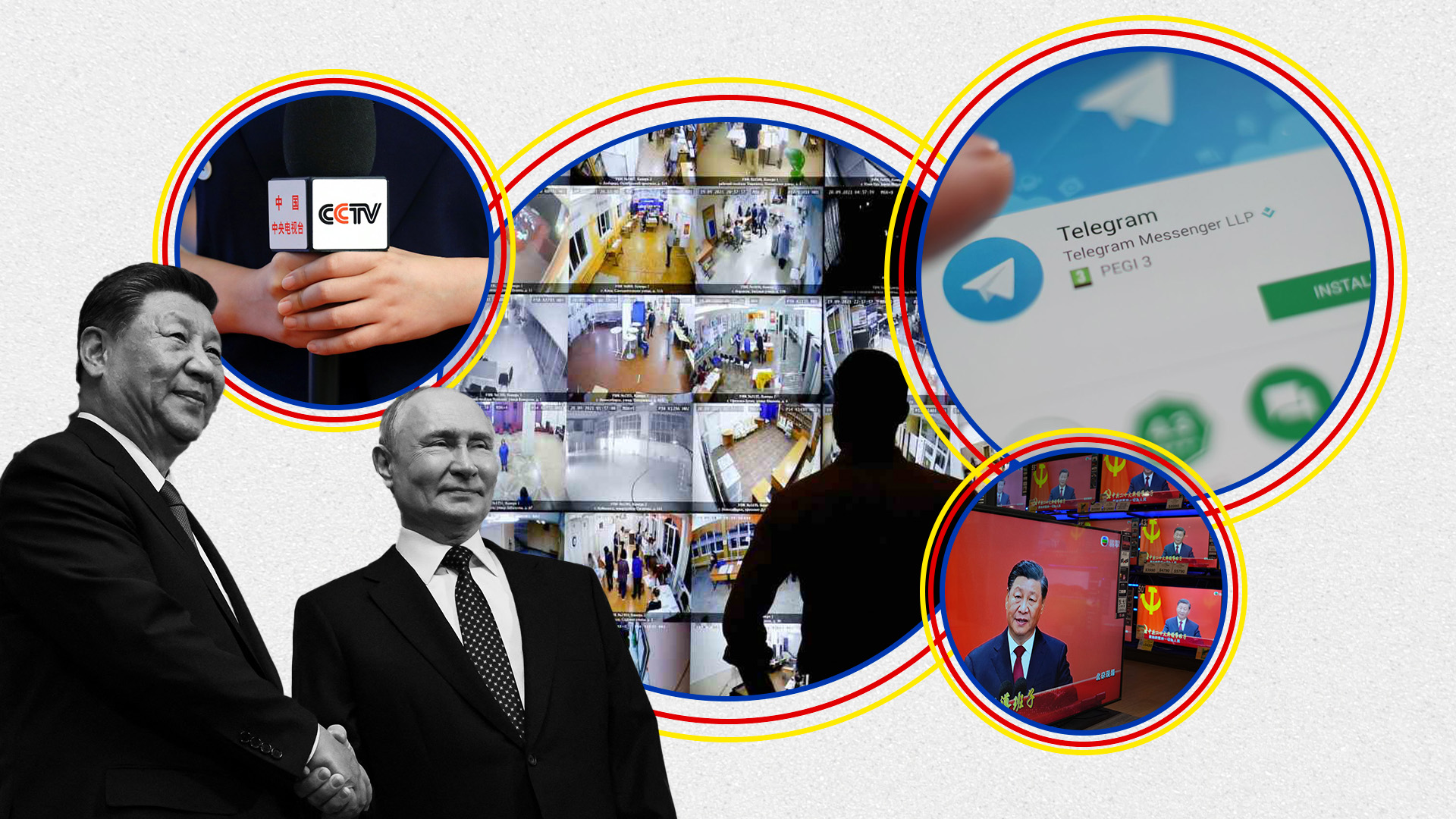
While Moscow and Beijing employ different methodologies and pursue distinct objectives in their foreign information manipulation and interference (FIMI) operations, they share a common goal: undermining the domestic cohesion of Western societies. This strategy weakens the Western alliance system and ultimately diminishes U.S. global influence and operational capacity.
Security experts note that both countries are increasingly aligning their disinformation efforts, despite differences in style and intent. They aim to weaken democracies, erode public trust in institutions, and promote multipolarity through shared anti-Western narratives and coordinated media amplification.
“These information operations may appear to target only the soft power of the U.S. and its allies, but they fundamentally impact hard power and national security as well,” explains Dr. Tamás Matura, a Senior Fellow with the Center for European Policy Analysis (CEPA). “Understanding these dynamics is crucial for developing effective countermeasures.”
Both nations deploy state-controlled media, conduct cyber intrusions, generate AI-driven content, and orchestrate social media influence campaigns—often reinforcing each other’s messages without formal coordination. This approach effectively manipulates global public perception, particularly during major crises like the COVID-19 pandemic or Russia’s war in Ukraine.
Growing Global Reach
Case studies reveal Russia and China’s expanding presence and influence across Africa, Latin America, and the Asia Pacific region. While evidence of direct coordination remains limited, their activities in discrediting democratic processes, especially surrounding Taiwan and U.S. elections, show alarming parallels.
In Africa, Chinese content-sharing platforms have gained significant traction, prompting Russia to propose joint initiatives that reflect China’s leadership in media infrastructure development. This collaboration represents a convergence of strategies to extend influence across the continent.
Similarly, in Latin America, Russian authorities concentrate on collaborations in Brazil, Cuba, Nicaragua, and Venezuela, using state-funded platforms like RT and Sputnik to spread pro-Kremlin narratives. Meanwhile, China employs Xinhua Español and CGTN alongside diplomatic platforms such as the China-CELAC Forum to shape elite perspectives in the region.
Election Interference and Democratic Disruption
One of the most significant threats posed by these operations is their impact on democratic processes, particularly elections. Russia’s interference in the 2016 U.S. presidential election marked a significant escalation, involving cyberattacks, false information dissemination, and exploitation of social media platforms to sow discord among American voters.
In the 2024 election cycle, Russia adapted its strategies, employing more sophisticated disinformation techniques including AI-generated content to undermine public trust in the electoral process. China’s approach, meanwhile, has focused on cyber operations and influence campaigns targeting downballot races rather than the presidential election.
“By exploiting the openness of democratic societies, both countries aim to undermine public trust in institutions, influence electoral processes, and weaken alliances such as NATO and the European Union,” notes a recent CEPA report.
Technological Evolution
The rapid development of AI technologies has introduced powerful new tools for disinformation, including deepfake technology and AI-generated propaganda. These technologies enable the creation of highly convincing fake videos and audio recordings that can manipulate public opinion, spread false information, and incite political unrest.
Russia has already demonstrated the potential of these technologies in its information warfare campaigns, using deepfake videos to create fabricated statements from politicians and sow confusion. China has experimented with AI-driven content generation to craft tailored propaganda influencing both domestic and foreign audiences.
Of particular concern is Russia’s newly discovered technique of disseminating disinformation through Western AI chatbots. By flooding search results and web crawlers with false narratives, it seeks to manipulate AI models rather than targeting human readers directly.
Countering the Threat
Western governments have begun developing tools for detecting and countering disinformation, including establishing dedicated units within intelligence agencies, increasing cooperation with social media companies, and launching initiatives to strengthen democratic institutions’ resilience.
However, security experts emphasize that countering modern information warfare requires unprecedented international cooperation, transparency, and technological innovation to safeguard democratic processes and military alliances.
CEPA urges robust countermeasures, including institutional capacity-building, international coordination (especially among the U.S., EU, and NATO), social media regulation, cybersecurity enhancements, public awareness campaigns, and revitalized support for independent media and vulnerable democracies.
As one security expert concluded: “The battle against foreign information manipulation requires not just technological solutions, but a renewed commitment to democratic values and international cooperation.”
Verify This Yourself
Use these professional tools to fact-check and investigate claims independently
Reverse Image Search
Check if this image has been used elsewhere or in different contexts
Ask Our AI About This Claim
Get instant answers with web-powered AI analysis
Related Fact-Checks
See what other fact-checkers have said about similar claims
Want More Verification Tools?
Access our full suite of professional disinformation monitoring and investigation tools

9 Comments
Countering foreign disinformation requires a multilateral, multi-pronged approach. Strengthening cyber defenses, improving media literacy, and enhancing intelligence sharing will all be vital to protecting Western interests.
The article highlights how Russia and China are pursuing a shared goal of diminishing US global influence, despite differences in their approaches. This level of coordination is alarming and requires a coordinated response.
It’s concerning to see authoritarian states leveraging advanced technologies to undermine democratic institutions. This is a battle for the integrity of information that will have far-reaching consequences.
The article highlights the complex and evolving nature of information warfare. Policymakers will need to stay vigilant and adaptive to address these threats to democratic stability.
Deepfake and AI-driven manipulation tactics make it increasingly challenging to combat foreign information warfare. Democracies must find new ways to protect against these sophisticated influence campaigns.
Agreed. Strengthening digital literacy and resilience among citizens will be key to countering these threats.
While the article focuses on media manipulation, I wonder how these tactics may also impact commodity markets and energy policy, given the geopolitical nature of these sectors. Increased transparency and scrutiny will be essential.
That’s an insightful point. Disinformation campaigns could certainly have ripple effects across various industries and policy areas. Monitoring for potential market impacts will be crucial.
Concerning to see Russia and China aligning their disinformation efforts to undermine Western democracies. It’s a troubling trend that will require robust responses from intelligence agencies and policymakers.