


Listen to the article
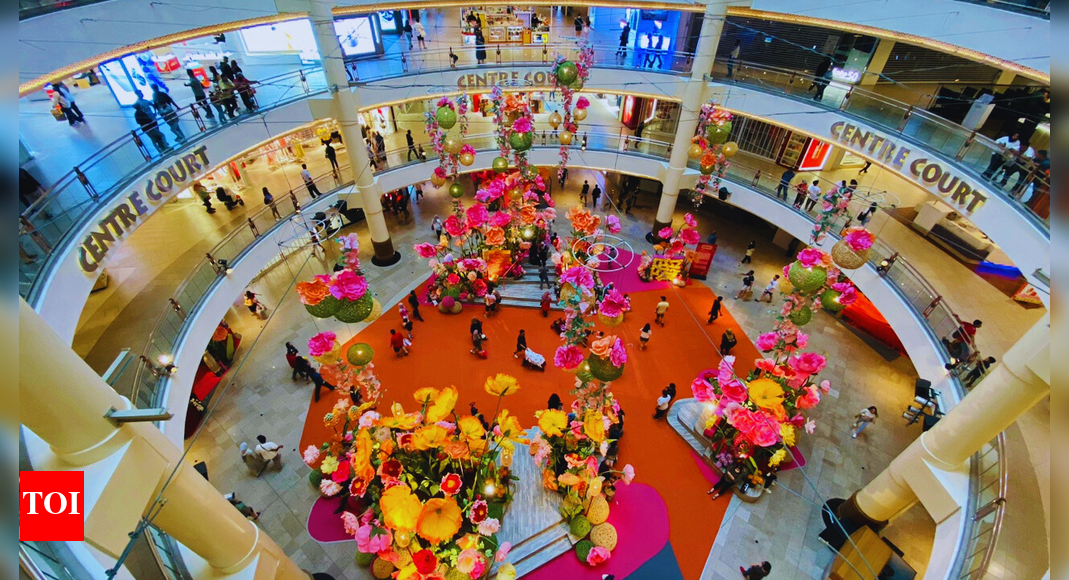
With Delhi’s festive shopping season in full swing, several of South Delhi’s premier shopping malls recently faced a crisis that threatened to shut them down entirely. DLF Promenade, DLF Emporio, and Ambience Mall in Vasant Kunj—destinations frequented by thousands of shoppers daily—encountered severe water shortages that forced them to close nearly half their washroom facilities and curtail restaurant operations.
The water crisis emerged at the worst possible time, just as the Diwali shopping rush reached its peak. According to reports by The Times of India, the shortage stemmed from a ban on private water tankers that had been supplying water from illegal borewells, following an order from the National Green Tribunal.
“Tanker water was being supplied from illegal borewells. Police have launched a crackdown on this,” a government official told TOI. These luxury shopping centers, which typically attract celebrities, international tourists, and high-end shoppers, rely heavily on private tanker deliveries for their water needs.
By last weekend, the situation had grown dire as the malls’ reserve tanks began to run dry. With 70% of washrooms closed and restaurants struggling to maintain basic hygiene standards, several food outlets had no choice but to reduce services or temporarily suspend operations.
Mall authorities reportedly warned that without swift restoration of water supply, they might be forced to shut down completely—a move that would have resulted in millions of rupees in business losses and affected thousands of jobs in the retail sector.
The situation appeared to improve first for Ambience Mall, while discussions between the Delhi Jal Board (DJB) and DLF management continued to address supply issues at DLF Promenade and DLF Emporio. This marked an unprecedented scenario where Delhi’s upscale shopping destinations faced closure due to basic utility shortages.
However, DLF issued an official statement on Monday contradicting reports of severe disruptions. “Contrary to claims, the two malls are operating with an adequate water supply and have not faced disruptions that would necessitate closure,” the company said. “Both malls acknowledge the concerns raised about water supply in Vasant Kunj for a couple of days, but clarify that their malls have robust contingency measures in place.”
The company added that their teams were “working diligently and in close coordination with authorities to ensure uninterrupted services, especially with the festive season at its peak,” reassuring customers that operations remained normal.
A senior DJB official supported this assessment, telling TOI, “There may be minor inconveniences, but overall things are under control. Yes, Ganga water supply has been affected, but this is being managed through the Yamuna for the plants.”
The mall crisis highlighted broader water supply issues across Delhi. Several residential areas in east, northeast, and south Delhi—including Surajmal Vihar, Shalimar Park, Vishwakarma Park, Chitra Vihar, and Vasant Kunj—also experienced shortages. These were attributed to the unavailability of Ganga raw water for the Bhagirathi and Sonia Vihar Water Treatment Plants, expected to continue for about a week.
Residents in Vasant Kunj C Block reportedly received messages from their resident welfare association (RWA) warning of alternate-day water supply arrangements during this period.
By late Sunday, normal water service had been restored to the affected malls, averting what could have been a major disruption to Delhi’s retail sector during its most profitable season. The quick resolution prevented what would have been an unprecedented shutdown of some of the capital’s most visited shopping destinations at the height of Diwali preparations.
The incident serves as a reminder of the infrastructure challenges that even Delhi’s most affluent commercial areas can face, and the delicate balance between environmental regulations and commercial operations in one of India’s busiest metropolitan centers.
Verify This Yourself
Use these professional tools to fact-check and investigate claims independently
Reverse Image Search
Check if this image has been used elsewhere or in different contexts
Ask Our AI About This Claim
Get instant answers with web-powered AI analysis
Related Fact-Checks
See what other fact-checkers have said about similar claims
Want More Verification Tools?
Access our full suite of professional disinformation monitoring and investigation tools

12 Comments
The crackdown on illegal borewells is a step in the right direction, but the authorities need to also invest in expanding the city’s legitimate water infrastructure to meet growing demand.
Exactly. A holistic, long-term approach to water management is crucial to prevent such disruptions in the future and support the city’s economic and social development.
While the crackdown on illegal borewells is necessary, the authorities should also explore alternatives like rainwater harvesting, wastewater recycling, and groundwater recharge to augment the city’s water supply.
Absolutely. Innovative and environmentally-friendly solutions are key to addressing water challenges in a rapidly urbanizing country like India.
It’s concerning to see major shopping hubs like these malls forced to curtail operations due to a lack of water. This must be frustrating for both businesses and consumers.
Agreed. The government needs to work closely with these malls to find a reliable, sustainable solution that ensures uninterrupted water supply, especially for essential facilities like washrooms.
This situation underscores the need for better coordination between the government, businesses, and the community to develop a comprehensive water management strategy for Delhi. Tackling the root causes is essential.
Agreed. Bringing all stakeholders together to devise and implement long-term solutions is the best way to ensure water security and prevent such disruptions in the future.
This water shortage issue highlights the need for better infrastructure and sustainable water management in Delhi. Relying on private tankers from illegal borewells is clearly not a long-term solution.
Absolutely. The authorities need to prioritize upgrading the city’s water supply and distribution systems to prevent such disruptions, especially during peak shopping seasons.
This issue highlights the vulnerability of India’s urban centers to water scarcity. As the population and economic activity grow, sustainable water solutions must be a top priority for policymakers.
The water crisis faced by these high-end malls is a stark reminder that water scarcity can impact all segments of society, regardless of economic status. Equitable and sustainable water management is crucial.