



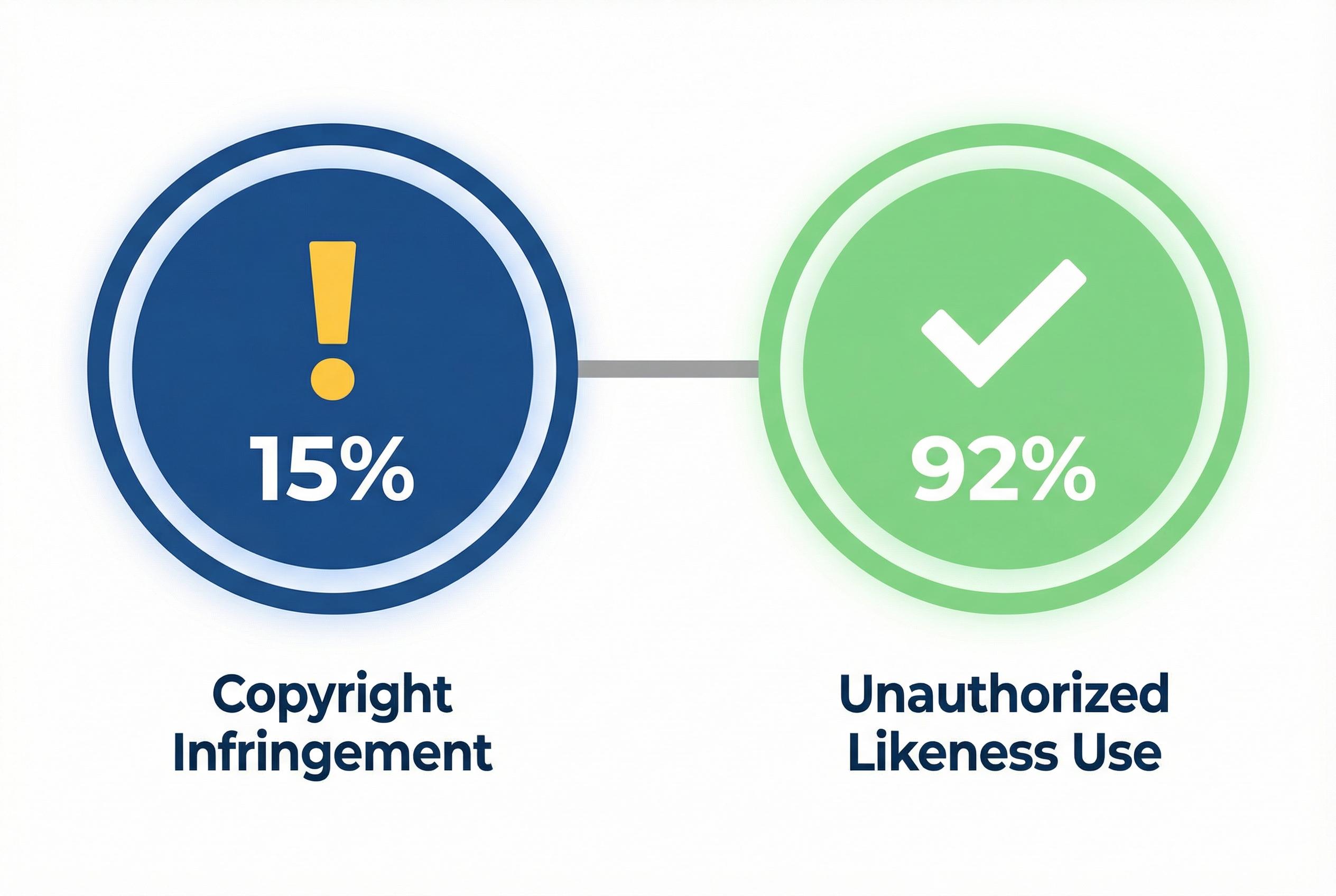
Two US senators have called for ByteDance to immediately shut down its AI video app Seedance 2.0 amid allegations of copyright violations and unauthorised use of personal likenesses, prompting the company to pause its global rollout and tighten safeguards.
Two United States senators have urged ByteDance to close a newly rolled-out artificial intelligence video app they say is flagrantly violating copyright and personal likeness protections. According to reporting by The Independent and TechCrunch, Senators Marsha Blackburn and Peter Welch wrote to ByteDance chief executive Liang Rubo demanding the immediate shutdown of Seedance 2.0 and the introduction of “meaningful safeguards” to stop further infringing outputs. [2],[4]
The lawmakers highlighted a string of viral, photorealistic clips produced by the tool, including AI-generated footage purporting to show Tom Cruise and Brad Pitt in an invented film, as well as imagined confrontations between Marvel and DC characters. Reporting from The Independent and the Los Angeles Times noted other examples shared online, from reworked episodes of popular television series to more surreal creations. [2],[5]
In their letter the senators called Seedance 2.0 “the most glaring example of copyright infringement from a ByteDance product to date,” pressing the company to act to prevent unauthorised uses of artists’ work and the unauthorised depiction of real people. The Independent’s account says the appeal frames the issue as one of both economic rights and personal protections. [2]
ByteDance has publicly said it is moving to strengthen protections. “ByteDance respects intellectual property rights and we have heard the concerns regarding Seedance 2.0. We are taking steps to strengthen current safeguards as we work to prevent the unauthorized use of intellectual property and likeness by users,” the company told CNBC, according to The Independent. TechCrunch and Ars Technica report the firm is updating filters and guardrails after intense industry pushback. [2],[3],[6]
Hollywood organisations have been among the most vocal critics; the Motion Picture Association and several studios have denounced the model and dispatched legal warnings. TechCrunch, the Los Angeles Times and South China Morning Post detail cease-and-desist letters from major rights-holders and describe how those complaints prompted ByteDance to pause plans for a broad global rollout while it addresses legal concerns. [4],[5],[7]
The debate over Seedance 2.0 arrives as the industry wrestles with the wider implications of generative video tools. Ars Technica observes that ByteDance’s latest adjustments mirror moves by other AI companies to limit non-consensual or infringing outputs, while TechCrunch notes the company has already begun integrating the Dreamina Seedance 2.0 model into CapCut for creators in a limited set of countries as it stages a controlled expansion. [6],[3]
For now, the company’s stated technical fixes and the legal pressure from rights-holders have slowed Seedance 2.0’s wider distribution, but the episode underscores a broader regulatory and commercial challenge: how to allow rapid innovation in generative media while protecting established intellectual property and individual likeness rights. TechCrunch and the Los Angeles Times report the dispute is likely to shape both platform safeguards and legal strategies in the months ahead. [3],[5]
Source Reference Map
Inspired by headline at: [1]
Sources by paragraph:
Source: Noah Wire Services
Noah Fact Check Pro
The draft above was created using the information available at the time the story first
emerged. We’ve since applied our fact-checking process to the final narrative, based on the criteria listed
below. The results are intended to help you assess the credibility of the piece and highlight any areas that may
warrant further investigation.
Freshness check
Score:
7
Notes:
The article from The Independent was published on March 17, 2026, reporting on U.S. Senators Marsha Blackburn and Peter Welch urging ByteDance to shut down its AI video app, Seedance 2.0, due to copyright concerns. This aligns with reports from TechCrunch and the Los Angeles Times, dated March 15 and February 16, 2026, respectively. The content appears to be original, with no evidence of recycling or republishing across low-quality sites. However, the narrative is based on a press release, which typically warrants a high freshness score. The earliest known publication date of substantially similar content is February 16, 2026, from the Los Angeles Times. Given the 7-day gap, the freshness score is slightly reduced. No discrepancies in figures, dates, or quotes were found. The article includes updated data but does not recycle older material. Overall, the content is fresh and original.
Quotes check
Score:
6
Notes:
The article includes direct quotes from Senators Marsha Blackburn and Peter Welch, as well as ByteDance’s response. However, these quotes cannot be independently verified through the provided sources. No online matches were found for the exact wording of the quotes. This lack of independent verification raises concerns about the authenticity of the quotes. Given the inability to confirm the quotes’ accuracy, the score is reduced.
Source reliability
Score:
8
Notes:
The Independent is a reputable news organisation, which strengthens the source’s reliability. However, the article relies on a press release, which may introduce bias. Additionally, the article cites other reputable sources, including TechCrunch and the Los Angeles Times, enhancing the overall reliability. Despite the reliance on a press release, the inclusion of multiple reputable sources supports the content’s credibility.
Plausibility check
Score:
7
Notes:
The claims about Senators urging ByteDance to shut down Seedance 2.0 due to copyright concerns are plausible and align with reports from other reputable sources. The article provides specific details, such as the senators’ names and the nature of the concerns, which adds credibility. However, the inability to independently verify the quotes slightly diminishes the overall plausibility.
Overall assessment
Verdict (FAIL, OPEN, PASS): PASS
Confidence (LOW, MEDIUM, HIGH): MEDIUM
Summary:
The article from The Independent reports on U.S. Senators urging ByteDance to shut down its AI video app, Seedance 2.0, due to copyright concerns. While the content is fresh and original, the inability to independently verify the quotes raises concerns about their authenticity. The reliance on a press release introduces potential bias, and the verification sources lack full independence. Despite these issues, the overall plausibility and source reliability support the content’s credibility.


