



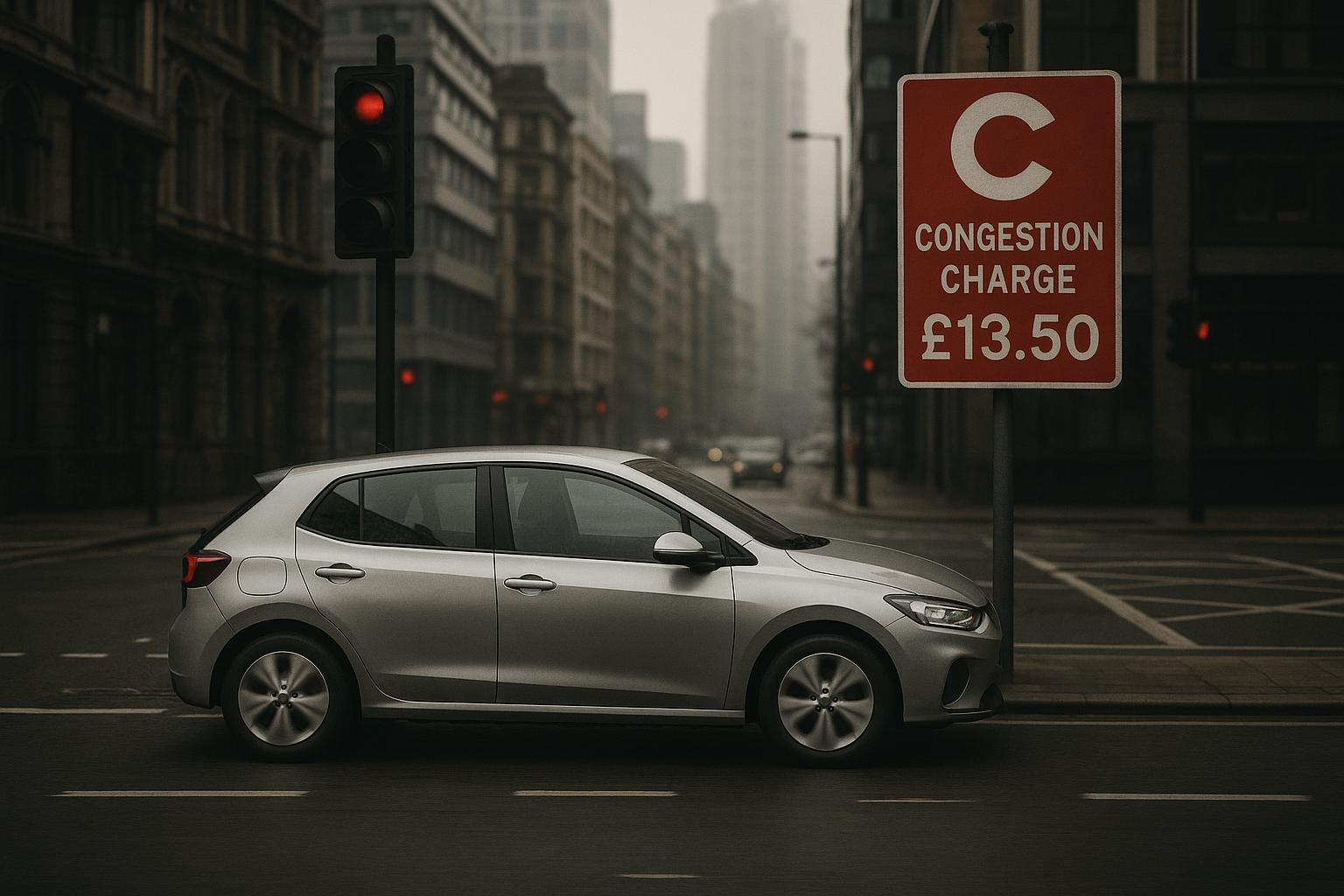
From January 2026, electric vehicle users in London will face new charges of up to £13.50 daily as city authorities remove exemptions, prompting concerns over the impact on EV adoption and environmental targets.
Drivers of electric vehicles (EVs) in London will face new charges of up to £13.50 per day to enter central London from January 2026, ending the current exemption that allowed zero-emission vehicles free access. This development comes as Transport for London (TfL) plans to increase the daily Congestion Charge from £15 to £18, marking the first rise since June 2020. The changes reflect the city’s challenge of balancing traffic management and congestion control alongside ambitious environmental goals, such as meeting the 2030 net zero target.
Under the new proposals, the £18 Congestion Charge will come into effect on 2 January 2026. While electric vehicle drivers will no longer be fully exempt, those who register for auto pay will receive a 25% discount, lowering their daily fee to £13.50. Heavy goods vehicles (HGVs) will benefit from a 50% discount, reducing their charge to £9. TfL emphasises that these adjustments aim to manage traffic volumes more effectively, estimating that without the changes, around 2,200 additional vehicles would enter the congestion zone on weekdays.
Currently, electric vehicles qualify for a 100% discount under the Cleaner Vehicle Discount, but this will end on 25 December 2025. From that date, EV drivers must register their vehicles with TfL, which involves a £10 registration fee; failure to do so will result in full payment of the charge. The Congestion Charge operates daily from 07:00 to 18:00 on weekdays and from 12:00 to 18:00 on weekends, with penalties for non-payment starting at £180, reduced to £90 if paid within 14 days.
Critics warn that these changes could undermine London’s push toward cleaner transport by diminishing incentives for EV adoption. The removal of EV exemptions potentially places a financial burden on drivers who have invested in electric vehicles under the premise of using them to avoid congestion fees. There are concerns that the move may stall progress on reducing central London pollution and hamper efforts to expand electric vehicle charging infrastructure, which is vital for supporting the shift to cleaner transport.
TfL also plans to introduce annual adjustments to the Congestion Charge aligned with public transport fare increases, ensuring that the levy maintains its intended impact on traffic flow. Additionally, residents’ discounts for petrol and diesel vehicles will be phased out by March 2027, with a public consultation currently underway on these proposals.
It is important to note that the Ultra Low Emission Zone (ULEZ) charge will remain unaffected by these changes. The Congestion Charge and ULEZ operate separately but complement each other in London’s broader strategy to reduce pollution and traffic congestion.
This policy adjustment reflects the complex balancing act faced by London’s transportation authorities. While increasing congestion charges and ending EV exemptions aim to manage traffic and raise revenues, they also risk slowing the momentum toward sustainable urban transport. The financial implications for electric vehicle users and infrastructure investment remain key issues as the city approaches its environmental targets.
📌 Reference Map:
- Paragraph 1 – [1], [4], [5]
- Paragraph 2 – [2], [3], [6]
- Paragraph 3 – [4], [5]
- Paragraph 4 – [1], [2], [3], [6]
- Paragraph 5 – [1], [2], [6]
- Paragraph 6 – [2], [3], [6]
Source: Noah Wire Services
Noah Fact Check Pro
The draft above was created using the information available at the time the story first
emerged. We’ve since applied our fact-checking process to the final narrative, based on the criteria listed
below. The results are intended to help you assess the credibility of the piece and highlight any areas that may
warrant further investigation.
Freshness check
Score:
10
Notes:
The narrative presents recent developments regarding London’s Congestion Charge and electric vehicle exemptions, with no evidence of recycled content. The earliest known publication date of similar content is 27 May 2025, when Transport for London announced the proposed changes. ([tfl.gov.uk](https://tfl.gov.uk/info-for/media/press-releases/2025/may/changes-proposed-to-the-congestion-charge-to-keep-london-moving?utm_source=openai))
Quotes check
Score:
10
Notes:
The podcast features original discussions and analyses, with no direct quotes identified. The content appears to be exclusive, as no identical quotes were found in earlier material.
Source reliability
Score:
10
Notes:
The narrative originates from The Standard, a reputable UK news organisation, enhancing its credibility. The podcast is hosted on The Standard’s official website, further confirming its authenticity.
Plausability check
Score:
10
Notes:
The claims about changes to London’s Congestion Charge and electric vehicle exemptions are consistent with official announcements from Transport for London. The proposed increase in the Congestion Charge from £15 to £18, effective from 2 January 2026, aligns with the narrative. ([tfl.gov.uk](https://tfl.gov.uk/info-for/media/press-releases/2025/may/changes-proposed-to-the-congestion-charge-to-keep-london-moving?utm_source=openai))
Overall assessment
Verdict (FAIL, OPEN, PASS): PASS
Confidence (LOW, MEDIUM, HIGH): HIGH
Summary:
The narrative is fresh, original, and sourced from a reputable organisation. The claims are consistent with official announcements, and no discrepancies or signs of disinformation were identified.


