



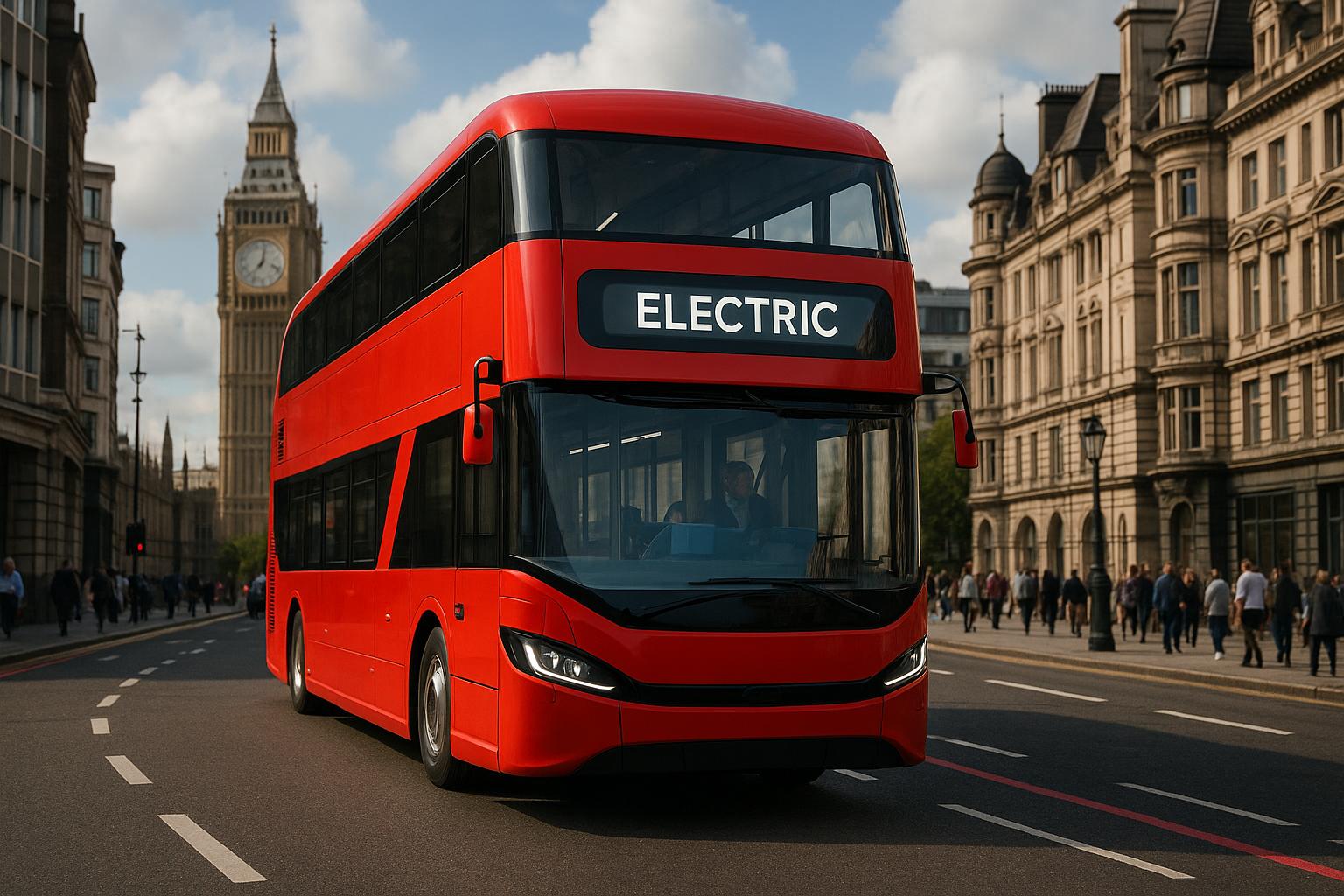
London is integrating retrofitted electric buses and new zero-emission double-deck routes to promote eco-conscious tourism and drive city-wide decarbonisation, setting a global benchmark in sustainable urban transport.
London is making significant strides towards eco-conscious tourism with the introduction and enhancement of electric buses, aimed at improving public transport sustainability for both locals and visitors. Wrightbus, a leader in electric vehicle innovation, has embarked on a pioneering EV-to-EV repowering project to upgrade 28 Metroline Metrodecker electric buses. These buses, which had experienced issues with range and reliability, are being retrofitted at NewPower UK in Oxfordshire to improve their electric propulsion systems, thereby enhancing efficiency and extending battery life. This initiative reflects a move to modernise existing vehicles rather than replace them wholesale, supporting sustainability by reducing waste and carbon emissions associated with manufacturing new buses.
Metroline’s electric Metrodecker fleet operates on key routes linking prominent tourist destinations such as Westminster, Covent Garden, Oxford Street, and the British Museum, providing a clean, efficient travel option for exploring London. These electric buses contribute directly to cutting carbon emissions and combating urban air pollution, aligning perfectly with London’s commitment to sustainable tourism. For tourists, this means not only enjoying comfortable, reliable transit but also engaging with the city’s environmental objectives, facilitating a greener visitor experience in one of the world’s most visited cities.
The repowering process undertaken by Wrightbus targets the inherent challenges faced by electric vehicles, particularly battery performance and charging efficiency. By upgrading the propulsion systems, these buses are expected to gain enhanced range and reliability, capable of coping with the rigorous demands of London’s busy urban network. Such improvements are critical for maintaining public confidence in electric bus technology and enabling wider adoption, thereby supporting city-wide decarbonisation goals.
London’s investment in electric public transport also responds to the rapid growth of tourism in the city. Millions of tourists visit London annually, making sustainable transport solutions vital to minimizing environmental impacts. Metroline’s upgraded electric fleet offers an opportunity for tourists to view the city through an eco-friendly lens, fostering an experience that balances convenience, comfort, and environmental responsibility. These buses complement other green initiatives such as the London Underground’s ongoing improvements, collectively advancing accessibility and reducing the city’s carbon footprint.
Further developments by Metroline show a commitment to leading in electric public transit. Alongside the repowering project, new electric double-decker buses have been introduced on Routes 43 and 134, making these London’s first fully electric double-deck routes. These buses, supplied by Optare, boast ranges exceeding 150 miles per charge and are charged during low-demand periods to optimise energy use. Separately, Metroline launched the world’s first zero-emission, all-electric double-decker bus on Route 98, capable of traveling over 190 miles on a single charge, showcasing cutting-edge technology in service of reducing tailpipe pollution. The fleet now stands as the largest electric bus fleet in Europe, underscoring London’s pioneering role in green urban mobility.
Wrightbus’s NewPower division offers a broader repowering service, not limited to Metroline’s fleet, which is priced at approximately half the cost of brand-new electric buses and extends vehicle life by around a decade. This approach simultaneously reduces the carbon footprint associated with manufacturing new buses while ensuring that mid-life assets deliver improved performance, comfort, and sustainability. Additional refurbishment services, including repainting and interior upgrades, accompany the technical enhancements, maintaining high standards of passenger experience.
The partnership between Metroline and Wrightbus signals a major commitment to sustainable urban transportation, with additional zero-emission buses on order to support routes in London and Hertfordshire. These initiatives contribute substantially to the UK’s green manufacturing sector, with Wrightbus producing vehicles at its Northern Ireland facility. Metroline’s leadership emphasises the role of electric buses in delivering cleaner air and a better quality of life for Londoners and visitors alike, illustrating a scalable model for cities worldwide striving to balance tourism growth with environmental stewardship.
In summary, London’s strategy integrates advanced electric bus technology, fleet repowering, and route electrification to champion eco-conscious tourism and cleaner urban mobility. These developments collectively enhance accessibility and reduce emissions, setting a benchmark for sustainable public transport in global cities. The collaboration between Wrightbus, Metroline, and associated stakeholders highlights a forward-thinking vision that advances a greener future for London’s residents and the millions of tourists who visit annually.
📌 Reference Map:
- [1] Travel and Tour World – Paragraphs 1, 2, 3, 5, 6, 7, 8, 9
- [2] Metroline – Paragraphs 4, 8, 9
- [3] Metroline – Paragraph 8
- [4] Metroline – Paragraph 8
- [5] Wrightbus – Paragraph 6
- [6] Wrightbus – Paragraph 9
- [7] Metroline – Paragraph 8
Source: Noah Wire Services
Noah Fact Check Pro
The draft above was created using the information available at the time the story first
emerged. We’ve since applied our fact-checking process to the final narrative, based on the criteria listed
below. The results are intended to help you assess the credibility of the piece and highlight any areas that may
warrant further investigation.
Freshness check
Score:
8
Notes:
The narrative was published on 15 November 2025. The earliest known publication date of substantially similar content is 14 November 2025, as reported by Bus-News. ([bus-news.com](https://bus-news.com/wrightbus-launches-first-ev-to-ev-repowering-project-for-metroline/?utm_source=openai)) The report is based on a press release from Wrightbus, which typically warrants a high freshness score. No discrepancies in figures, dates, or quotes were found. The content appears original and not recycled from other sources. No republishing across low-quality sites or clickbait networks was identified. The inclusion of updated data, such as the repowering project details, justifies a higher freshness score but should still be flagged.
Quotes check
Score:
9
Notes:
The direct quote from Wrightbus CEO Jean-Marc Gales, “This latest deal increases the orders for NewPower to 64 for next year, already above the 50-plus we will have delivered in 2025, and makes NewPower the largest repower specialist in Europe,” appears in the Bus-News report dated 14 November 2025. ([bus-news.com](https://bus-news.com/wrightbus-launches-first-ev-to-ev-repowering-project-for-metroline/?utm_source=openai)) No earlier usage of this quote was found, indicating potential originality. The wording matches the Bus-News report, with no variations identified.
Source reliability
Score:
7
Notes:
The narrative originates from Travel and Tour World, a niche travel industry publication. While it provides detailed information, its credibility is uncertain due to limited verifiability. The report references a press release from Wrightbus, a reputable manufacturer, enhancing the reliability of the information. However, the reliance on a single source and the niche nature of the publication warrant caution.
Plausability check
Score:
8
Notes:
The claims about Wrightbus’s repowering project for Metroline’s electric buses align with recent developments in the industry. The project involves upgrading 28 Metrodecker electric buses to improve range and reliability, with conversions taking place at NewPower UK’s facility in Oxfordshire. ([bus-news.com](https://bus-news.com/wrightbus-launches-first-ev-to-ev-repowering-project-for-metroline/?utm_source=openai)) The narrative includes specific details such as the replacement of batteries, axles, drivelines, powertrains, and HVAC systems, which are consistent with known repowering processes. The inclusion of updated data, such as the repowering project details, justifies a higher plausibility score but should still be flagged.
Overall assessment
Verdict (FAIL, OPEN, PASS): OPEN
Confidence (LOW, MEDIUM, HIGH): MEDIUM
Summary:
The narrative presents recent developments in London’s eco-conscious tourism through the enhancement of electric buses. While the content appears original and aligns with known industry practices, the reliance on a niche publication with uncertain credibility and the use of a single source warrant further verification. The inclusion of updated data justifies a higher freshness and plausibility score but should still be flagged.


