



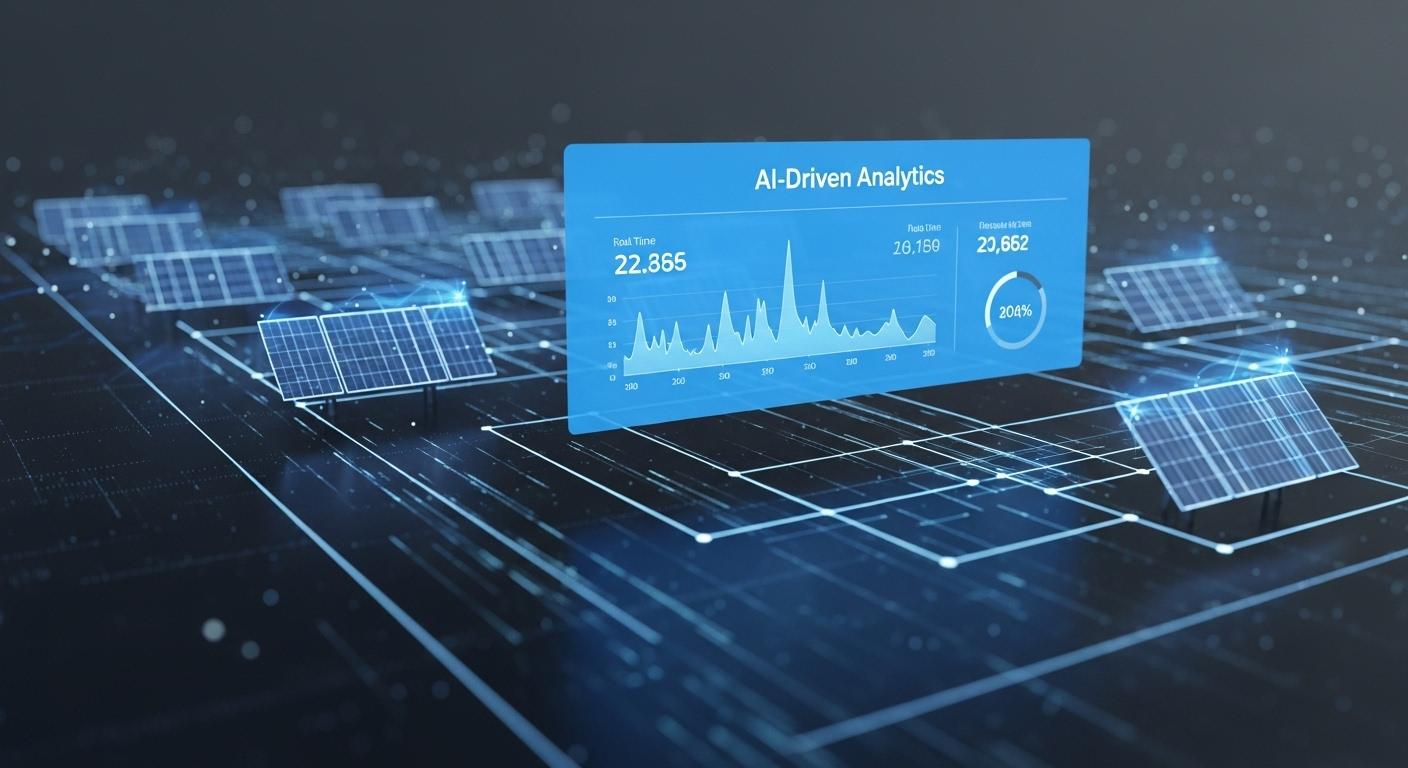
India is poised for a decade of transformative power grid digitalisation as it balances rising energy demand, increasing renewable capacity, and the integration of distributed energy resources through advanced AI analytics, signalling a significant shift in its energy landscape.
India stands on the cusp of a transformative decade in power grid digitalisation as it confronts rising energy demand and evolving consumption patterns. The country’s power system is rapidly changing due to urbanisation, industrial electrification, and the growing penetration of distributed energy resources (DERs) such as rooftop solar panels, electric vehicles (EVs), and behind-the-meter storage. According to Aveg Agarwal, India Business Head at Bidgely, this complex landscape demands more than just physical infrastructure expansion; it calls for sophisticated, AI-driven analytics to provide granular visibility into consumption, DER presence, and grid constraints. His company’s UtilityAI Pro platform, designed with a security-first architecture, aims to help Indian distribution companies (DISCOMs) transition from reactive grid operations to predictive and preventive management by consolidating data insights while maintaining strict data ownership and cybersecurity standards.
Agarwal emphasises that India’s utility sector is moving towards fully integrating DERs into grid planning, forecasting, and daily operations, enabling dynamic management of load peaks and EV charging through consumer-specific behaviour profiles developed via AI. The platform allows forecasting and aggregation of DER impacts at transformer, feeder, and substation levels, providing a unified intelligence layer that supports operational risk identification and demand-side management, a pressing need amid India’s ambitious grid digitisation and rollout of advanced metering infrastructure (AMI). The solution aligns with the India Energy Stack vision and addresses critical issues like electricity theft detection, AT&C loss reduction, and consumer empowerment through appliance-level insights.
This emphasis on digital transformation and AI comes against a backdrop of fluctuating power generation trends in India. The year 2025 has seen contrasting patterns: a record surge in clean energy output during the first half, with renewables (solar, wind), hydro, and nuclear reaching a 25% share of the total power mix, while fossil fuel generation notably declined. This pivot to renewables aligns with India’s strategic ambition to reduce reliance on coal and imported fuels, and increase capacity to 500 GW of non-fossil fuel power by 2030.
Yet, challenges remain. The Indian Central Electricity Regulatory Commission (CERC) has taken steps to optimise grid utilisation by considering auctions for unused transmission slots reserved for delayed renewable projects, which currently amount to around 31.8 GW. Concurrently, the Central Transmission Utility has revoked grid access for approximately 17 GW of stalled renewable projects to prioritise those closer to completion, highlighting the ongoing tension between rapid capacity expansion and infrastructure readiness. The government’s regulatory tightening, requiring stable project ownership and curbs on post-connectivity fuel or energy source changes, reflects efforts to prevent exploitation and ensure efficient grid use.
Despite the impressive growth in clean energy, coal remains integral to India’s energy future. While clean capacity additions outpace many countries, coal-fired power still accounted for about 64.8% of electricity generation as of mid-2025, with new coal projects underway alongside renewable installations. Industry analysts note that the sheer pace of India’s energy demand growth, averaging 7% annually since 2021, necessitates a diversified approach, with coal continuing as a significant baseload source even as renewables scale up. This reliance is also shaped by economic and operational factors including regional resource availability and infrastructure investments.
The wider power sector landscape is marked by volatility. In recent months, India has experienced sharp declines in electricity generation due to heavy monsoon rains and subdued industrial demand, leading to reduced coal output and profitability challenges for coal producers. At the same time, renewable energy generation has risen robustly, underscoring the sector’s resilience and strategic importance.
Looking forward to 2030, Agarwal envisions AI-driven utilities evolving into autonomous, customer-centric platforms capable of managing complex DER ecosystems seamlessly. These networks will feature real-time fault prediction, automated dispatch, hyper-personalised energy services, and coordinated management of distributed assets like EVs and home solar units. Such innovation promises to enhance grid reliability, sustainability, and cost efficiency, fundamentally reshaping India’s power landscape in line with its broader energy transition goals.
📌 Reference Map:
- [1] (Energetica India) – Paragraphs 1, 2, 6, 8, 9
- [2] (Reuters) – Paragraphs 3, 4
- [3] (Reuters) – Paragraphs 5, 7
- [4] (Reuters) – Paragraph 7
- [5] (Reuters) – Paragraph 7
- [6] (Reuters) – Paragraph 4
- [7] (Reuters) – Paragraph 7
Source: Noah Wire Services
Noah Fact Check Pro
The draft above was created using the information available at the time the story first
emerged. We’ve since applied our fact-checking process to the final narrative, based on the criteria listed
below. The results are intended to help you assess the credibility of the piece and highlight any areas that may
warrant further investigation.
Freshness check
Score:
8
Notes:
The narrative introduces Bidgely’s UtilityAI Pro platform, launched in October 2025, indicating recent content. However, similar discussions about AI in India’s power grid digitalisation have appeared in various sources, such as the EmPOWER AI 2025 conference in September 2025. ([en.antaranews.com](https://en.antaranews.com/news/378809/empower-ai-2025-conference-unites-energy-and-ai-innovators-building-the-intelligent-grid-of-the-future?utm_source=openai)) The report’s freshness is bolstered by the inclusion of recent data and events. Nonetheless, the presence of similar content in other outlets within the past two months suggests a moderate freshness score.
Quotes check
Score:
7
Notes:
The report includes direct quotes from Aveg Agarwal, India Business Head at Bidgely. A search reveals that similar statements have been made by Agarwal in other recent publications, such as the EmPOWER AI 2025 conference announcement. ([en.antaranews.com](https://en.antaranews.com/news/378809/empower-ai-2025-conference-unites-energy-and-ai-innovators-building-the-intelligent-grid-of-the-future?utm_source=openai)) This repetition suggests that the quotes may have been reused, potentially affecting the originality score.
Source reliability
Score:
6
Notes:
The report originates from Energetica India, a platform that aggregates content from various sources. While it provides valuable insights, the lack of direct attribution to primary sources raises questions about the reliability of the information presented. The absence of direct links to original sources makes it challenging to verify the authenticity of the claims, leading to a moderate reliability score.
Plausability check
Score:
8
Notes:
The report discusses Bidgely’s UtilityAI Pro platform and its applications in India’s power grid digitalisation. The platform’s features and objectives align with Bidgely’s known initiatives, as detailed in their official announcements. ([businesswire.com](https://www.businesswire.com/news/home/20251023698381/en/Bidgely-Introduces-UtilityAI-Pro-Giving-Global-Utilities-and-Energy-Providers-the-First-Vertical-AI-Platform-that-Transforms-Data-into-Strategic-Insights?utm_source=openai)) The inclusion of recent data and events, such as the EmPOWER AI 2025 conference, supports the plausibility of the narrative. However, the reliance on aggregated content without direct attribution to primary sources slightly diminishes the overall credibility.
Overall assessment
Verdict (FAIL, OPEN, PASS): OPEN
Confidence (LOW, MEDIUM, HIGH): MEDIUM
Summary:
The report presents a timely discussion on India’s power grid digitalisation and Bidgely’s UtilityAI Pro platform. While it incorporates recent data and events, the reuse of quotes and reliance on aggregated content without direct attribution to primary sources raise concerns about originality and source reliability. These factors contribute to a moderate confidence in the report’s overall credibility.


