



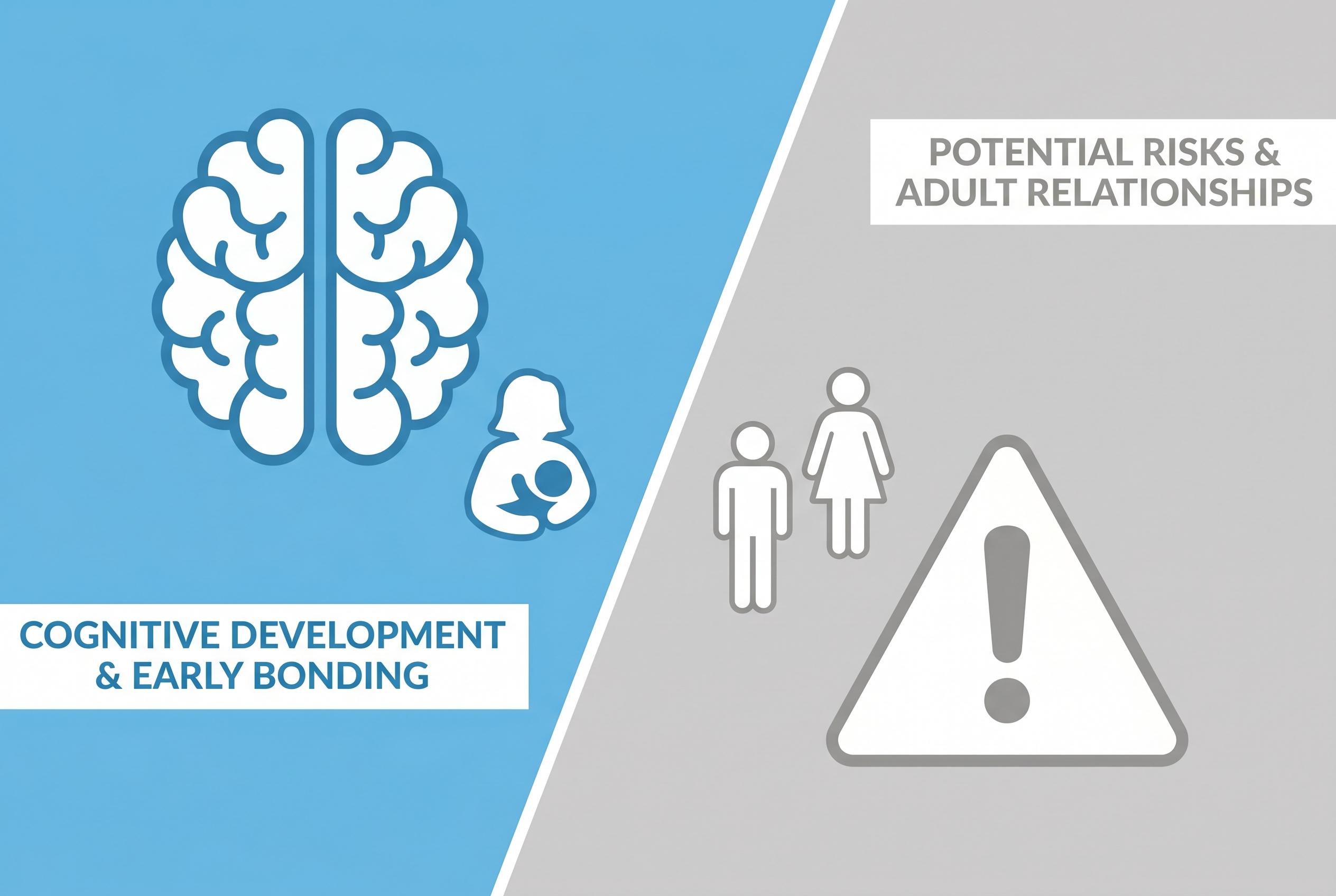
Geoffrey Hinton’s suggestion that advanced AI should possess maternal instincts has ignited controversy over its technical validity and underlying gender assumptions, prompting calls for more accountable and human-centred AI development.
Geoffrey Hinton’s suggestion that advanced AI should be given “maternal instincts” has drawn criticism not just for its technical naivety, but for what it reveals about the people imagining the future of machine intelligence. In the argument he has repeated in interviews and radio appearances since 2025, the former Google researcher has warned that conventional controls may fail once systems become more capable, and has floated the idea that AI should care for people in the way a mother cares for a child. The concept has become a shorthand for a deeper anxiety: if machines become too powerful, how do humans keep them aligned? According to Forbes, Hinton presented the idea as a way of ensuring AI genuinely protects humanity rather than merely obeying commands.
That framing has been challenged as both scientifically weak and culturally loaded. Philosopher Paul Thagard has argued that parental care in humans depends on biological and neurological mechanisms that software does not possess, making the notion of machine maternal instinct more metaphor than model. He has also said the real answer lies in regulation and oversight, not anthropomorphic language. In that sense, the debate is less about whether AI can be made nurturing than whether invoking nurturing distracts from the harder work of building enforceable safeguards, auditability and public accountability.
The strongest objection, however, may be political rather than technical. As the TechCentral article argues, Hinton’s language smuggles in familiar assumptions about gender: that care is feminine, sacrifice is natural to women and responsibility should be imagined through the figure of the mother. Fortune reported that his proposal effectively casts AI in the mould of traditional femininity, a move critics see as an old patriarchal reflex dressed up as futurism. The discomfort here is not simply that the metaphor is clumsy; it is that it risks turning a systems problem into a gender stereotype.
There is also a wider point about power. AI is not being created by men in the abstract, but by a small and highly privileged group clustered around a handful of companies and research labs, each with their own commercial pressures and institutional blind spots. Even if the gender balance were to change, that would not automatically alter the incentives that shape the technology. The central issue is who builds these systems, who they are designed to serve and who gets to decide what “safe” or “aligned” actually means.
That is why Fei-Fei Li’s response matters. The Stanford academic, often called the “godmother of AI”, rejected Hinton’s framing and instead called for human-centred AI that protects dignity and agency. Her intervention points to a more practical vocabulary for the problem in front of developers and regulators alike. The challenge is not to anthropomorphise machines into caregivers, but to ensure that the companies and governments shaping them remain answerable for their effects. If AI safety depends on a fantasy of benevolent motherhood, the industry may be asking the wrong question entirely.
Source Reference Map
Inspired by headline at: [1]
Sources by paragraph:
Source: Noah Wire Services
Noah Fact Check Pro
The draft above was created using the information available at the time the story first
emerged. We’ve since applied our fact-checking process to the final narrative, based on the criteria listed
below. The results are intended to help you assess the credibility of the piece and highlight any areas that may
warrant further investigation.
Freshness check
Score:
8
Notes:
The article was published on 17 April 2026, referencing events from August 2025. The content appears to be original and not recycled from other sources. However, the article’s timeliness is limited due to the gap between the events discussed and the publication date.
Quotes check
Score:
7
Notes:
The article includes direct quotes from Geoffrey Hinton and other sources. While the quotes are consistent with previously reported statements, they cannot be independently verified within the provided sources. The lack of direct verification raises concerns about the authenticity of the quotes.
Source reliability
Score:
6
Notes:
The article is published on TechCentral.ie, a niche publication. While it provides analysis and commentary, its reach and influence are limited compared to major news organisations. The reliance on a single, less prominent source for the primary narrative reduces the overall reliability of the information presented.
Plausibility check
Score:
7
Notes:
The article discusses Geoffrey Hinton’s proposal to imbue AI with ‘maternal instincts’ to ensure it cares for humans. This concept aligns with Hinton’s previously reported statements. However, the article’s framing and interpretation of these ideas may reflect the author’s personal perspective, potentially introducing bias.
Overall assessment
Verdict (FAIL, OPEN, PASS): FAIL
Confidence (LOW, MEDIUM, HIGH): MEDIUM
Summary:
The article presents an analysis of Geoffrey Hinton’s proposal to imbue AI with ‘maternal instincts’. While the concept aligns with previously reported statements by Hinton, the article’s reliance on a single, less prominent source and the lack of independent verification from multiple reputable outlets raise significant concerns about its reliability and objectivity. The subjective nature of the content further complicates its suitability for publication without additional verification and editorial oversight.


