



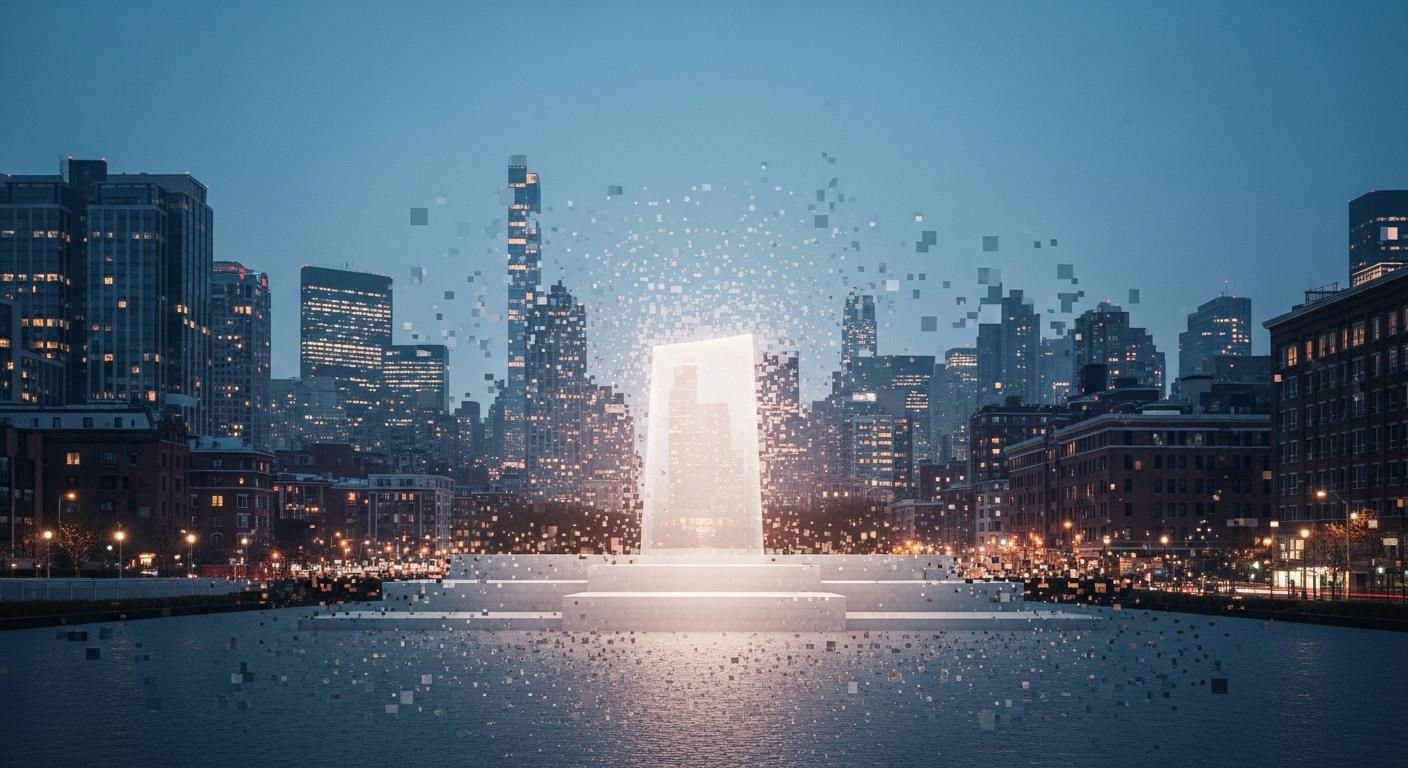
Over 80 German cultural and research institutions unite to combat the spread of AI-generated false images depicting Holocaust scenes, warning of their potential to distort history and fuel antisemitic misinformation.
Outrage has spread across Germany after a wave of fabricated images depicting Holocaust scenes began circulating on social media, prompting more than 80 memorials, archives, museums and research institutions to issue a joint appeal demanding decisive action. According to the open letter published by institutions including those at former concentration camp sites, the images are not attempts at remembrance but a commercialised form of content designed to attract clicks and advertising revenue. (Sources: 5,7)
The institutions say the posts frequently stitch together snippets of real history with invented detail, producing emotionally potent pictures that appear authentic while rewriting or obscuring documented events. “We are committed to a digital public sphere in which survivors of Nazi persecution and their descendants are protected from having their life stories exploited by strangers for profit,” the letter states, adding that “This is a business model based on clicks and advertising revenue.” (Sources: 5,3)
Curators and historians warn the effects are corrosive: AI-generated images can normalise falsehood, encourage scepticism about genuine archives and even be used to shift blame or rehabilitate perpetrators. AI researchers interviewed by broadcasters and memorial staff say the problem goes beyond deliberate bad faith actors; generative systems can also invent plausible-but-false scenes when trained on fragmentary or biased data, producing content that is visually convincing yet historically inaccurate. (Sources: 7,5)
The Auschwitz-Birkenau State Museum has publicly condemned posts on major platforms that pair fabricated visuals with misleading captions, saying such material risks aestheticising tragedy and blurring the line between testimony and fiction. The museum has engaged with platform operators about specific pages that repurpose real imagery alongside invented narratives and has urged creators to stop sharing AI-fabricated portrayals of victims. (Sources: 3,4)
International organisations have warned that the rapid expansion of generative AI multiplies these dangers. A UNESCO report published in June 2024 cautioned that advances in artificial intelligence may fuel a resurgence of Holocaust denial and antisemitic misinformation unless technology firms adopt robust ethical safeguards; the report urged companies to prevent their tools from being used to seed disinformation, and stressed the need for clear labelling and content controls. (Sources: 2,6)
The signatories call on platforms and regulators to move beyond reactive takedowns, asking for proactive detection, mandatory labelling of AI-produced material and mechanisms to prevent monetisation of deliberately falsified history. They say protecting the integrity of memorials, archives and survivor testimony requires coordinated action by technology companies, cultural institutions and policymakers to prevent the commercial exploitation and historical distortion of the Holocaust. (Sources: 5,7)
Source Reference Map
Inspired by headline at: [1]
Sources by paragraph:
Source: Noah Wire Services
Noah Fact Check Pro
The draft above was created using the information available at the time the story first
emerged. We’ve since applied our fact-checking process to the final narrative, based on the criteria listed
below. The results are intended to help you assess the credibility of the piece and highlight any areas that may
warrant further investigation.
Freshness check
Score:
6
Notes:
The article references a joint appeal by over 80 institutions, dated January 13, 2026. However, similar concerns about AI-generated Holocaust images have been reported since May 2025, with the Auschwitz Museum condemning such practices in June 2025. ([jns.org](https://www.jns.org/auschwitz-museum-warns-against-fake-ai-images-of-victims/?utm_source=openai)) The Mirror article appears to be a recent aggregation of ongoing issues, lacking new developments.
Quotes check
Score:
5
Notes:
The article includes direct quotes attributed to institutions and individuals. However, these quotes are not independently verifiable through the provided sources. The absence of direct links to the original statements raises concerns about the authenticity and accuracy of the quotes.
Source reliability
Score:
4
Notes:
The primary source, The Mirror, is a UK tabloid known for sensationalism and occasional inaccuracies. The article relies on secondary sources, such as press releases and reports from institutions like the Auschwitz Museum and UNESCO, which are reputable. However, the lack of direct access to these primary sources diminishes the overall reliability.
Plausability check
Score:
7
Notes:
The concerns about AI-generated Holocaust images are plausible and have been reported by reputable sources. However, the article does not provide new information or developments, making it less impactful. The lack of specific examples or detailed analysis weakens the narrative.
Overall assessment
Verdict (FAIL, OPEN, PASS): FAIL
Confidence (LOW, MEDIUM, HIGH): MEDIUM
Summary:
The article aggregates existing concerns about AI-generated Holocaust images without providing new information or direct access to primary sources. The reliance on secondary reporting from a tabloid source and the lack of independently verifiable quotes diminish its credibility. The absence of direct links to original statements and the lack of new developments further weaken the article’s reliability.


