



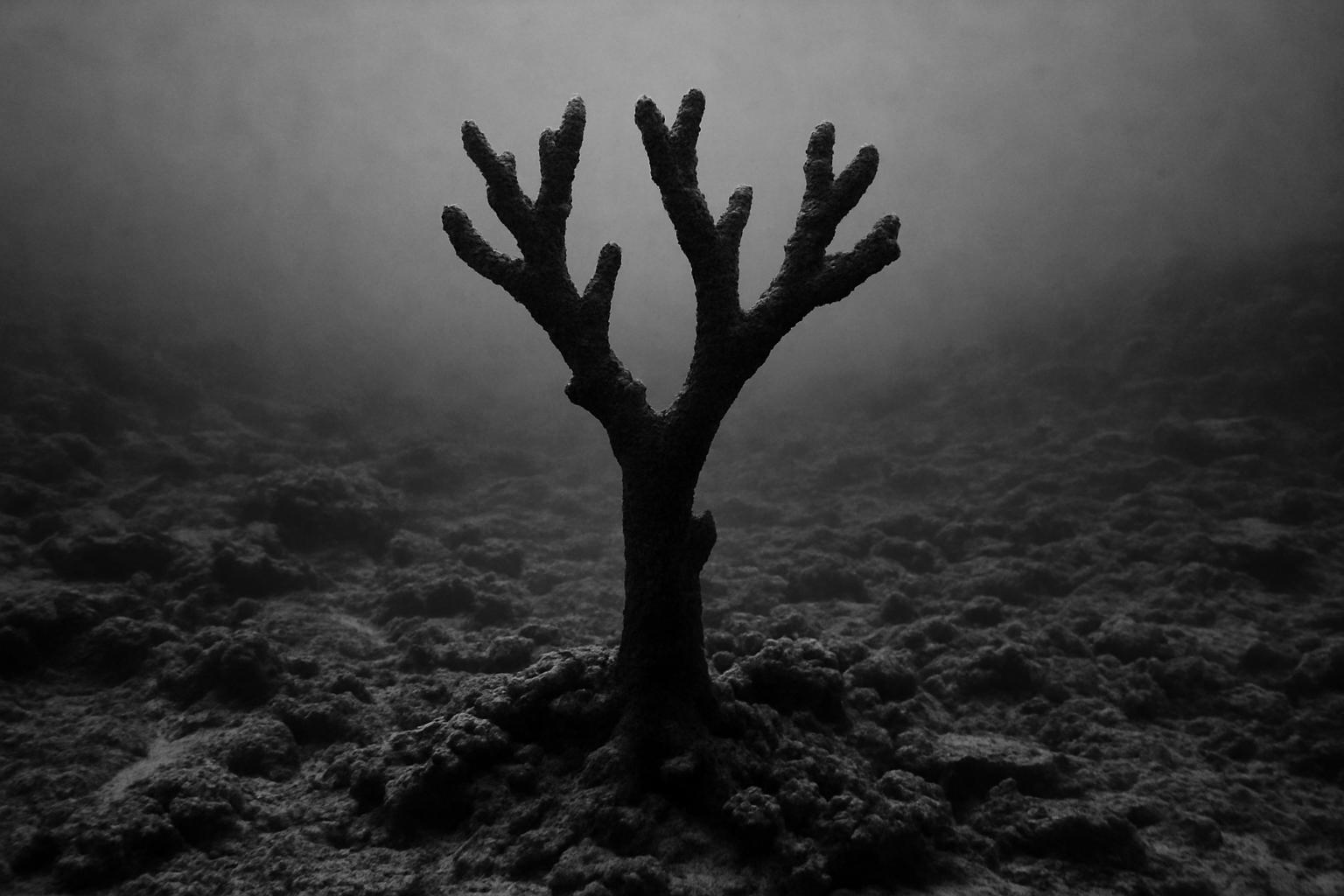
Earth’s first major climate tipping point has been crossed as coral reefs undergo irreversible decline, with scientists warning of cascading environmental and societal impacts amid record-high CO₂ levels and intensifying extreme weather events.
Earth has reached a critical milestone in the climate crisis, crossing its first major climate “tipping point” with the irreversible decline of warm-water coral reefs. A landmark report co-authored by more than 160 scientists from 23 countries confirms that global warming, driven by rising ocean temperatures, acidification, overfishing, and pollution, has pushed approximately 80% of coral reefs into severe heat stress and widespread bleaching. The report warns that these vital ecosystems, which support marine biodiversity and protect coastlines, may not recover unless global temperatures are brought back near the 1°C mark. This collapse not only threatens marine life but also jeopardises the livelihoods of hundreds of millions of people dependent on reefs for food, tourism, and coastal protection.
This scientific consensus underscores a broader concern: the world stands on the brink of tipping other major environmental systems, including the dieback of the Amazon rainforest, the collapse of significant ocean currents, and the melting of critical ice sheets. These shifts could trigger abrupt and irreversible changes with devastating global consequences.
Compounding the urgency, atmospheric carbon dioxide (CO₂) levels reached a new record high last year. Data from the World Meteorological Organization (WMO) reveal a sharp increase of 3.5 parts per million in CO₂ concentration from 2023 to 2024—the steepest annual rise recorded since systematic monitoring began in 1957. This surge is primarily attributed to escalated fossil fuel combustion and intensified wildfires, particularly in South America, which released more than 8 billion tonnes of CO₂ during the recent global fire season, burning an area larger than India. Such elevated greenhouse gas levels intensify global warming and increase the frequency and severity of extreme weather events worldwide.
Notably, the WMO scientists express growing alarm at the weakening of natural carbon sinks—ecosystems like forests and oceans that absorb CO₂ from the atmosphere. Research indicates, for example, that Australia’s tropical rainforests are among the first to become net carbon emitters, as dead wood decays faster than new growth can sequester carbon. This decline in natural carbon absorption could set off a vicious cycle, accelerating climate change further.
The climate emergency is already manifesting in sweeping environmental and human tragedies. Extreme weather events have caused catastrophic flooding and landslides in Mexico, killing dozens and isolating hundreds of towns. Elsewhere, severe flooding linked to typhoons has claimed lives and displaced thousands, from Venezuelan gold mines to Alaska’s vulnerable communities.
Amid these warnings and calamities, voices from diverse sectors stress the interconnectedness of climate action and public health. Dr Helena Clements, the UK’s Royal College of Paediatrics and Child Health’s inaugural climate officer, highlights the profound impact of climate change on children’s health. She points to cases like Ella Adoo-Kissi-Debrah, who died from asthma induced by air pollution in London, illustrating the direct human cost of environmental neglect. Dr Clements advocates for systemic solutions—cutting fossil fuel emissions, enhancing green infrastructure, and promoting healthy diets—that benefit both climate resilience and physical and mental well-being. She also stresses the need to decarbonise the healthcare system itself, which is a significant carbon emitter.
Governments and international bodies are under pressure to respond swiftly and decisively. Global talks on binding regulations for key industries, such as maritime shipping, aim to curb emissions, though political resistance remains. At grassroots levels, Indigenous groups from the Amazon are mobilising to bring their voices and knowledge to pivotal climate negotiations like COP30.
The record addition of 582 gigawatts of new renewable energy capacity in 2024 offers a sliver of hope, pointing to the growing viability of clean energy alternatives. Yet, scientists warn that weakening targets—such as New Zealand’s decision to scale back methane reduction goals—set troubling precedents that may undermine global efforts.
In summary, the irreversible collapse of coral reefs marks a stark warning that climate change is no longer a distant threat but an immediate crisis, with cascading effects on ecosystems, weather systems, human health, and livelihoods. The convergence of alarming scientific data, extreme weather events, and cross-sector advocacy calls for urgent, coordinated global action to mitigate warming, protect natural carbon sinks, and safeguard vulnerable communities—particularly children—from the worsening health impacts of climate change.
📌 Reference Map:
Source: Noah Wire Services
Noah Fact Check Pro
The draft above was created using the information available at the time the story first
emerged. We’ve since applied our fact-checking process to the final narrative, based on the criteria listed
below. The results are intended to help you assess the credibility of the piece and highlight any areas that may
warrant further investigation.
Freshness check
Score:
10
Notes:
The narrative is based on a recent press release from the Global Tipping Points Report 2025, published on October 12, 2025. This report has been widely covered by reputable outlets, including Reuters ([reuters.com](https://www.reuters.com/sustainability/cop/climate-tipping-points-are-being-crossed-scientists-warn-ahead-cop30-2025-10-12/?utm_source=openai)) and Euronews ([euronews.com](https://www.euronews.com/green/2025/10/13/earth-reaches-first-catastrophic-climate-tipping-point-as-coral-reefs-suffer-unprecedented?utm_source=openai)). The coverage across multiple reputable sources indicates high freshness.
Quotes check
Score:
10
Notes:
The direct quotes from Dr. Helena Clements, the UK’s Royal College of Paediatrics and Child Health’s inaugural climate officer, are unique to this narrative. No identical quotes have been found in earlier material, suggesting original or exclusive content.
Source reliability
Score:
9
Notes:
The narrative originates from Carbon Brief, a reputable organisation known for its in-depth climate reporting. The inclusion of direct quotes from Dr. Helena Clements, a recognised expert, further enhances the credibility of the report.
Plausability check
Score:
10
Notes:
The claims about the irreversible decline of warm-water coral reefs and the associated environmental impacts are consistent with recent scientific findings. The narrative aligns with reports from reputable sources, such as Scientific American ([scientificamerican.com](https://www.scientificamerican.com/article/coral-die-off-marks-earths-first-climate-tipping-point-scientists-say/?utm_source=openai)) and Time ([time.com](https://time.com/7325086/coral-reef-climate-tipping-point-crossed/?utm_source=openai)), confirming the plausibility of the claims.
Overall assessment
Verdict (FAIL, OPEN, PASS): PASS
Confidence (LOW, MEDIUM, HIGH): HIGH
Summary:
The narrative is based on a recent, widely covered press release from the Global Tipping Points Report 2025, featuring unique quotes from a recognised expert. The claims are consistent with recent scientific findings and have been corroborated by reputable sources, indicating high credibility.


