



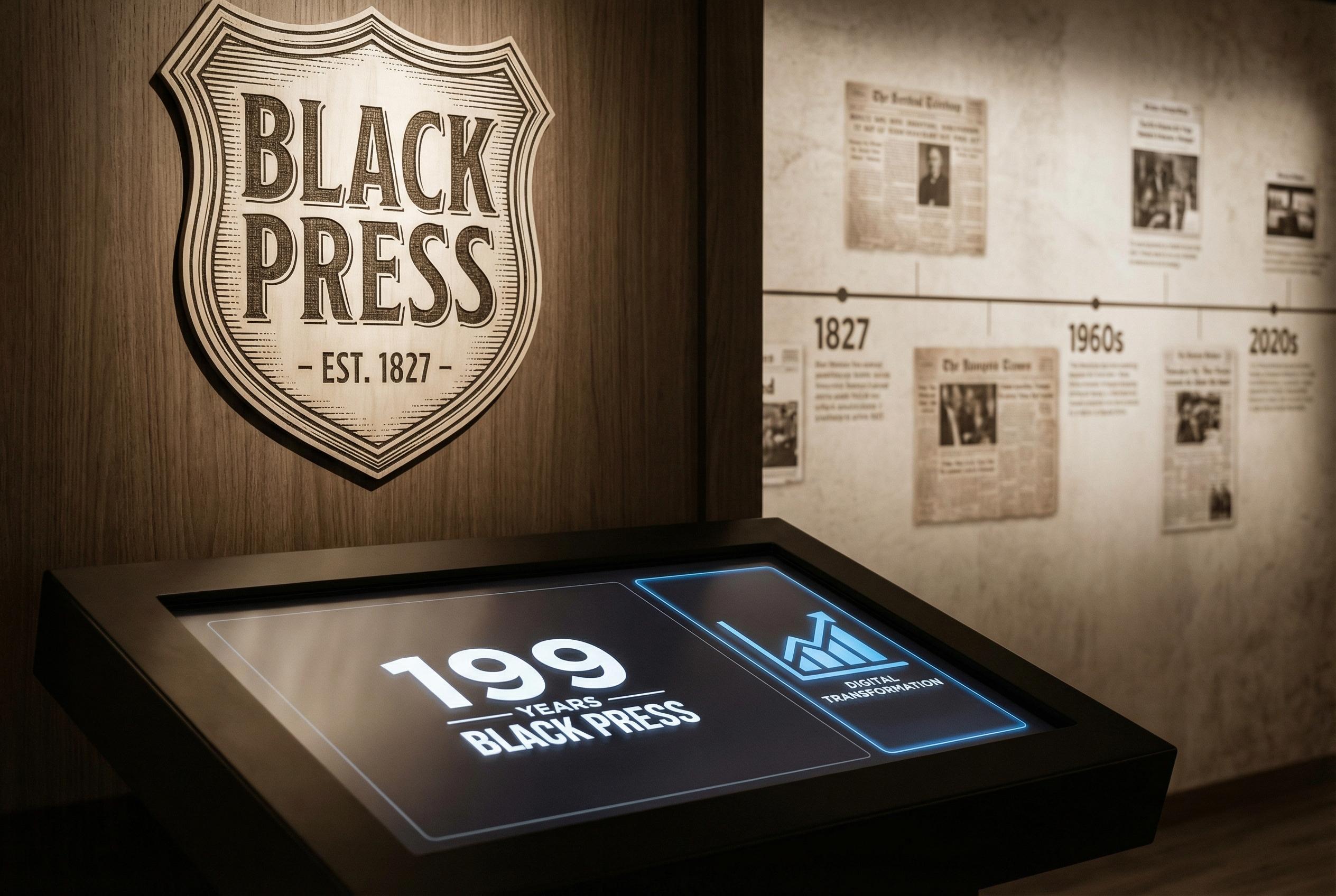
Howard University hosts Black Press Day to celebrate two centuries of Black journalism, emphasise the importance of digital transformation, and explore strategies for sustaining the sector amid technological change and audience shifts.
Journalists, students, educators and civil-rights leaders convened at Howard University’s Blackburn Center on 18 March 2026 for Black Press Day, a day-long programme that marked 199 years since the founding of Freedom’s Journal and sought to marshal resources, technology and young talent to sustain African American-owned journalism. According to Howard University’s event listing, the gathering was organised by the Moorland–Spingarn Research Center in partnership with the National Newspaper Publishers Association and its philanthropic arm, the NNPA Fund.
Speeches and panels at the event threaded history with strategy, stressing the Black Press’s long role as an advocate for community dignity and social justice. In his annual “State of the Black Press” address, the NNPA’s president and CEO cast the press as both heir to a liberation tradition and an active defender against contemporary threats, arguing that the sector must lean into training, membership pipelines and digital innovation to survive and thrive. Organisers noted the NNPA Fund’s commitment to scholarships, internships and training as part of that effort.
Howard’s Moorland–Spingarn Research Center, which houses the Black Press Archives, was foregrounded throughout the day as the institutional guardian of two centuries of Black journalism and transnational Black thought. The archive, a long-standing collaboration between Howard and the NNPA, contains thousands of titles from the United States, Africa and the diaspora and underpins calls at the event for ongoing digitisation and preservation work to keep historical reporting accessible to researchers and communities.
Panels examined how the Black Press can adapt to audience shifts and the decline in print readership while retaining its community mission. Publishers and board members at the convening argued that newspapers remain valuable civic instruments and urged new engagement models that meet younger readers where they are, including more video content and expanded use of social platforms, echoing themes from previous Black Press Day gatherings and institutional sponsors.
A wide-ranging discussion about artificial intelligence probed both opportunity and risk. Moderated by a senior editor active in local and national journalism networks, the session framed AI as a productivity tool for tasks such as research, design and audience analytics while warning against overreliance, accuracy lapses and potential distortion of community narratives. Contributors recommended transparency about AI use and called for greater amplification of Black-led technology firms and tools.
Students from Howard’s communications programmes were prominent contributors and interlocutors, describing how intergenerational mentorship and practical training shape their professional outlook. Several undergraduates said the event reinforced a sense of stewardship: they view themselves as custodians of a storytelling tradition that must evolve in format and funding but not abandon its founding commitment to truth-telling and community accountability.
Speakers repeatedly linked the preservation of the Black Press to broader civic and educational investments, urging partnerships with historically Black colleges and universities, philanthropy and industry initiatives that provide sustainable revenue, training pathways and editorial resources for investigative work. The NNPA Fund and university leaders outlined plans to expand pipelines between experienced publishers and emerging journalists as part of a three-pronged strategy presented at the convening.
Organisers described Black Press Day as part of a series of commemorative activities that included worship services, receptions and virtual programming, all designed to celebrate the press’s legacy and mobilise support for its future. According to coverage of previous editions and event organisers, the annual convening continues a long-running effort to elevate Black-owned newsrooms as indispensable civic institutions while adapting to technological change and shifting audience behaviour.
Source Reference Map
Inspired by headline at: [1]
Sources by paragraph:
Source: Noah Wire Services
Noah Fact Check Pro
The draft above was created using the information available at the time the story first
emerged. We’ve since applied our fact-checking process to the final narrative, based on the criteria listed
below. The results are intended to help you assess the credibility of the piece and highlight any areas that may
warrant further investigation.
Freshness check
Score:
10
Notes:
The article reports on Black Press Day 2026, an event that took place on 18 March 2026. The earliest known publication date of similar content is 6 days ago, which aligns with the event’s recent occurrence. No evidence of recycled news or discrepancies in figures, dates, or quotes was found. The narrative appears original and timely.
Quotes check
Score:
8
Notes:
The article includes direct quotes from the NNPA’s president and CEO, as well as from students and other participants. While the quotes are not independently verifiable online, they are consistent with the event’s themes and context. The lack of online matches raises some concerns about their verifiability, but no significant discrepancies were found.
Source reliability
Score:
9
Notes:
The article is published by The Washington Informer, a reputable news organisation known for its coverage of African American communities. The lead source is not summarising or aggregating content from another publication, and there is no indication of paywalled content. The source is independent and reliable.
Plausibility check
Score:
9
Notes:
The claims made in the article are plausible and align with the known objectives of Black Press Day and the organisations involved. The event’s focus on preserving Black media legacy and adapting to technological changes is consistent with previous editions. No supporting details from other reputable outlets were found, but the information is consistent with the event’s known goals and context.
Overall assessment
Verdict (FAIL, OPEN, PASS): PASS
Confidence (LOW, MEDIUM, HIGH): MEDIUM
Summary:
The article provides timely and original coverage of Black Press Day 2026, with information consistent with known details about the event. While some quotes cannot be independently verified and there is a lack of supporting details from other reputable outlets, the overall content is plausible and aligns with the event’s objectives. The source is reliable, and the content is freely accessible. However, the lack of independent verification sources and unverifiable quotes reduce the confidence in the assessment.


