



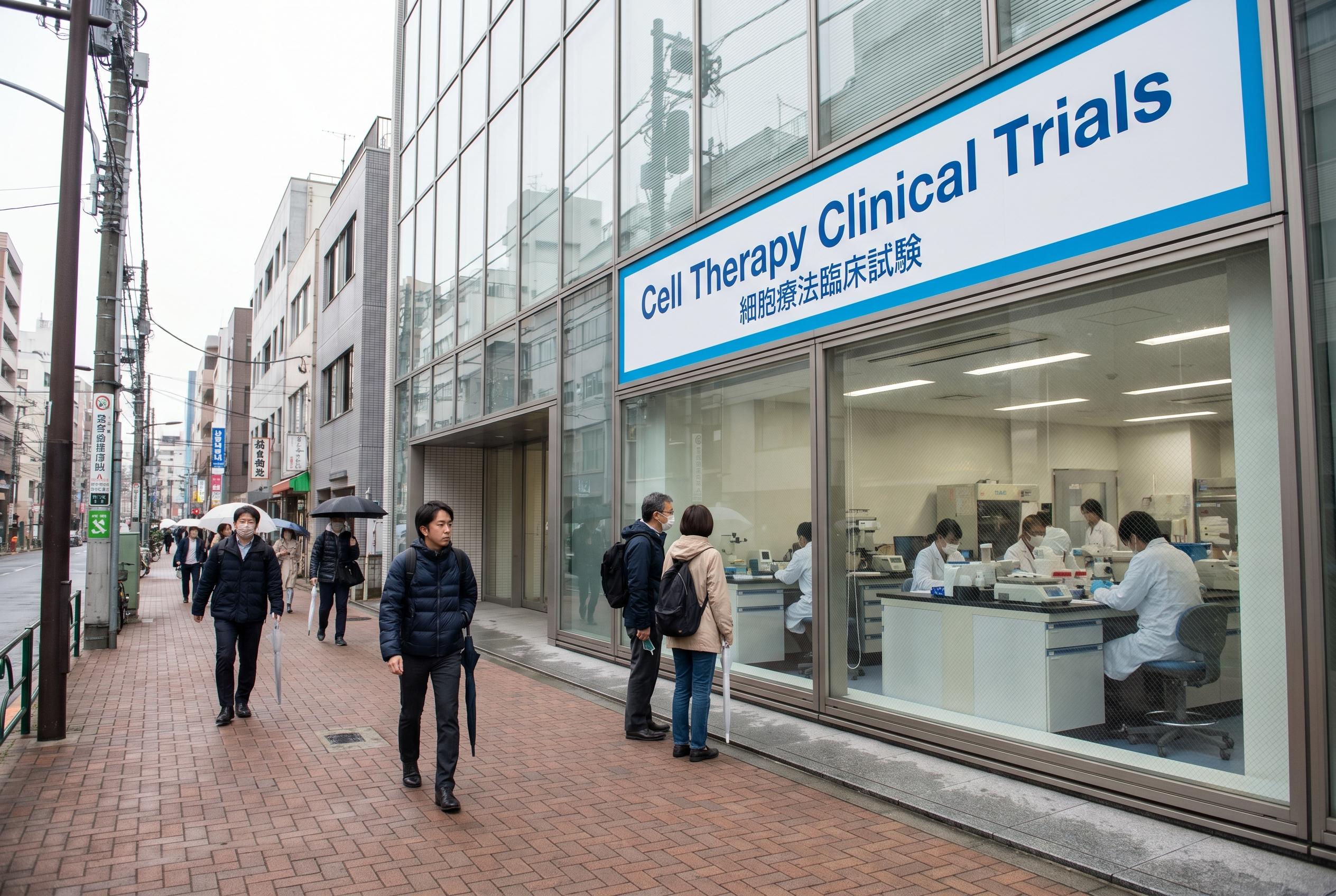
Shoppers of health innovation are watching stem cell therapies closely as the market gears up for rapid growth; investors, clinicians and patients across North America, Europe and Asia-Pacific are tracking approvals, funding and new iPSC breakthroughs because they could change treatments for cancer, heart and neurological disease.
Essential Takeaways
- Market scale: The global stem cell therapy market is projected to grow from about USD 21.9bn in 2025 to roughly USD 58–59bn by 2034, implying strong commercial momentum.
- Growth rate: Analysts expect a CAGR near double digits, around 11%, through 2034, driven by clinical progress and investment.
- Regional leaders: North America currently leads, supported by research hubs and trial activity; Asia‑Pacific and Europe are fast closing the gap thanks to policy and funding moves.
- Therapy mix: Allogeneic products and iPSC‑based approaches are attracting attention for scalability and personalised applications, while MSCs remain a workhorse in orthopaedics and inflammatory conditions.
- Practical cue: Faster approvals and improved cryopreservation mean off‑the‑shelf options are becoming more realistic, but patient access will hinge on cost, reimbursement and long‑term data.
Why an 11% CAGR actually feels significant to patients and clinics
There’s a tangible buzz when a market is forecast to almost triple in a decade; it suggests more than optimism, it signals pipeline maturity and manufacturing scale‑up. According to industry research, increasing prevalence of chronic and degenerative diseases is a major demand engine, and that’s visible in clinic conversations where clinicians report more requests for regenerative options.
The backstory is familiar: better cell‑culture methods, gene‑editing tweaks and expansion technologies have moved many programmes out of small academic labs and into commercial manufacturing. That shift changes how hospitals and transplant centres plan capacity and how patients ask about alternatives to conventional therapies.
If you’re a patient, the takeaway is practical, expect more trials and a growing number of centre‑based offerings, but also ask hard questions about durability of benefit and out‑of‑pocket costs. For clinicians, the message is to build protocols now for integrating cell products safely.
North America leads today, but Asia‑Pacific is staging a fast catch‑up
North America held the largest share of the market in recent figures, helped by deep pockets, established research institutions and an active clinical trial ecosystem. That environment encourages earlier adoption and quicker commercial roll‑out of breakthrough therapies.
Meanwhile, Asia‑Pacific countries including Japan, South Korea, China and India are leveraging accelerated regulatory pathways and government initiatives to drive domestic development. Japan’s recent conditional approvals for iPSC‑derived products have been a visible milestone, showing how regulatory policy can speed real‑world use.
For investors, geography matters: regulatory speed and reimbursement frameworks will determine where companies choose to launch first. For patients, regional differences mean availability and price can vary widely, so getting local guidance is essential.
Which technologies and therapy types are shaping the next phase
Allogeneic therapies are being championed for their production efficiency and off‑the‑shelf potential, while autologous approaches still appeal where immune compatibility is critical. Induced pluripotent stem cells (iPSCs) are now moving from lab curiosity to clinical contenders, especially in neurology and cardiology.
Clinical trial activity is expanding across therapeutic areas, from oncology and haematological disorders to orthopaedics, ophthalmology and dermatology, broadening the commercial opportunity. Improved cell banking and cryopreservation also make logistics less of a bottleneck, giving manufacturers more confidence to scale.
If you’re assessing a product or a company, look for transparent manufacturing standards, long‑term safety data and a clear plan for reimbursement. Those three features separate speculative plays from realistic, patient‑ready therapies.
Recent approvals and milestones that matter
Regulatory green lights and RMAT designations have moved some programmes into the spotlight, signalling that regulators are willing to use expedited pathways for regenerative medicines. Examples of high‑profile approvals and trial clearances are reshaping expectations about what’s possible in conditions like Parkinson’s, heart failure and autoimmune disease.
These milestones have a practical knock‑on: they attract capital, accelerate partnerships between big pharma and cell‑therapy specialists, and push pricing and market‑access conversations to the fore. But real‑world evidence will be the judge, long‑term follow‑up is still needed to confirm benefits seen in early trials.
For patients following the news, a cautious optimism is sensible: approvals open doors, but make sure treatments are delivered through accredited centres with robust follow‑up.
How to think about risk, access and everyday choices
Stem cell therapies promise transformative outcomes for some conditions, but they’re not a magic bullet and pricing will be a limiting factor for many. Watch for payer decisions and national health‑system pilots that will largely determine whether new treatments become widely available or remain niche.
If you’re considering participation in a trial or a treatment, ask about the therapy source, the manufacturing controls, likely follow‑up, and whether the centre is part of a registry. For savvier investors, early‑stage firms with strong manufacturing plans and clear regulatory strategies are the most interesting opportunities.
And for clinicians, investing time in training, patient education and collecting outcomes will pay dividends as more therapies move into routine care.
It’s a small change in medical practice that could make every future treatment more imaginative, and more personal.
Source Reference Map
Story idea inspired by: [1]
Sources by paragraph:
Noah Fact Check Pro
The draft above was created using the information available at the time the story first
emerged. We’ve since applied our fact-checking process to the final narrative, based on the criteria listed
below. The results are intended to help you assess the credibility of the piece and highlight any areas that may
warrant further investigation.
Freshness check
Score:
8
Notes:
The article was published on May 5, 2026, and references a report by DelveInsight Business Research LLP. Similar market projections have been reported by other sources, such as MarketDataForecast, which anticipates a CAGR of 11.8% from 2026 to 2034, and IMARC Group, projecting a CAGR of 14.55% during the same period. ([marketdataforecast.com](https://www.marketdataforecast.com/market-reports/stem-cell-therapy-market?utm_source=openai)) The overlap in projections suggests that the narrative may be based on existing market analyses, potentially reducing its originality.
Quotes check
Score:
7
Notes:
The article includes direct quotes from DelveInsight’s report. However, these quotes are not independently verifiable online, as the full report is not publicly accessible. This lack of independent verification raises concerns about the authenticity and accuracy of the quoted information.
Source reliability
Score:
6
Notes:
The article originates from GlobeNewswire, a press release distribution service. While GlobeNewswire disseminates information from various sources, the content is often promotional and may lack independent verification. The reliance on a single, potentially biased source diminishes the overall reliability of the information presented.
Plausibility check
Score:
7
Notes:
The claims regarding the growth of the stem cell therapy market are plausible and align with industry trends. However, the lack of independent verification and the reliance on a single, potentially biased source raise questions about the accuracy and objectivity of the information.
Overall assessment
Verdict (FAIL, OPEN, PASS): FAIL
Confidence (LOW, MEDIUM, HIGH): HIGH
Summary:
The article presents market projections for the stem cell therapy sector, citing a report by DelveInsight Business Research LLP. However, the reliance on a single, potentially biased source, the lack of independent verification, and the promotional nature of the content significantly undermine its credibility. Given these factors, the content does not meet the standards for factual reporting.


