



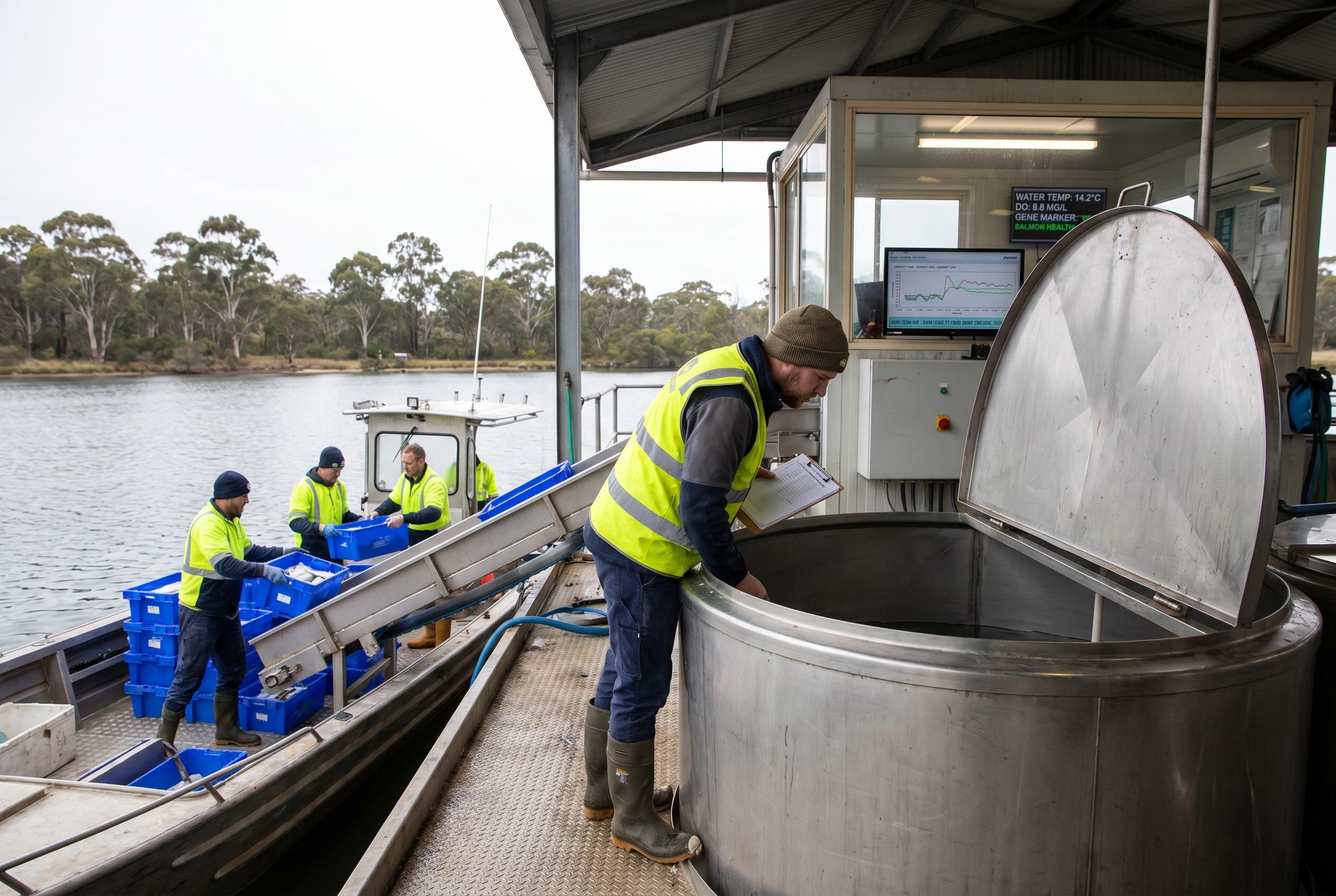
Shoppers are noticing headlines about edited fish, and producers are quietly preparing: genome editing is moving from lab curiosity to commercial tool in aquaculture, promising faster breeding gains, disease resistance and environmental safeguards that matter for supply, price and sustainability.
Essential Takeaways
- Precision advantage: Genome editing (SDN‑1) makes tiny, natural‑looking DNA changes without adding new genes, so outcomes often resemble conventional breeding.
- Faster gains: Edits can deliver trait improvements in a single generation, useful for slow‑maturing species where conventional selection takes years.
- Regulatory shift: Several countries are adopting risk‑based frameworks that assess the final product rather than the technique used.
- Containment options: Sterility and single‑sex approaches offer biological safeguards that reduce escape and genetic risk to wild stocks.
- Path to market: Developers need a bespoke regulatory strategy, solid science dossiers, and stakeholder engagement to accelerate approval and acceptance.
Why genome editing feels different to producers (and smells a bit like progress)
Genome editing offers a tactile upside you can almost sense: edits are small, targeted and predictable, so the results feel familiar rather than foreign. According to research into modern breeding technologies, methods like SDN‑1 produce changes indistinguishable from natural mutations or conventional selection, which is why regulators and producers treat them differently. For farmers, that translates into a technology that accelerates gains they already aim for , faster growth, disease resilience, or tolerance to environmental stress , without the longer timelines of classic programmes.
Behind this is a steady body of science showing genome editing’s capacity to make precise changes safely and repeatably. That’s why companies working with these tools are pitching them as “precision breeding” rather than transgenic engineering, and why the language matters for regulators, retailers and consumers.
What SDN‑1 actually does , simple edits, big outcomes
SDN‑1, or Site‑Directed Nuclease‑1, creates a neat cut at a chosen DNA site and relies on the cell’s own repair to introduce a small change. No foreign DNA is inserted, so the edited animal’s genome is altered in ways that could occur naturally. That’s a key practical distinction: you get the benefit of targeted change , say a mutation that enhances disease resistance , without bringing in genes from other species.
From a breeder’s perspective this is golden: traits that were previously slow or near‑impossible to shift through selection become accessible, and you can stack improvements in fewer generations. It’s especially valuable in aquaculture species with long generation intervals, where shaving years off a breeding cycle has real economic impact.
Regulation is evolving , product, not process, is the new mantra
Regulatory bodies are increasingly favouring a risk‑based approach that evaluates the characteristics of the final animal rather than focusing on the tool that made it. Countries including the United States, Canada, Brazil, Japan and Australia are already moving towards frameworks that can exempt certain SDN‑1 edits from the strictest GMO controls when no novel DNA remains.
That shift is practical: agencies like the FDA are developing guidelines for intentional genomic alterations, and scientific reviews are informing policy by comparing genome‑edited outcomes to conventional variation. For producers, this means the path to market is becoming more predictable, but it still requires a tailored dossier, transparent monitoring plans and, often, post‑market compliance measures.
How biological containment can ease environmental concerns
One of the trickiest worries for consumers and regulators is what happens if farmed fish escape. Practical tools such as Sterility+ , which delivers complete reproductive sterility , are being developed as robust biological containment measures. Sterility reduces the risk of edited traits spreading into wild populations and can be an effective complement to physical containment and farm management.
Beyond sterility, single‑sex populations and edits that reduce fitness in the wild are other biological strategies that can help manage ecological risk. Producers should think of these options as risk‑mitigation components that can strengthen a regulatory filing and reassure downstream buyers and communities.
Commercial rollout: what companies should do now
If you’re a breeder or producer thinking about genome‑edited traits, start with a regulatory and stakeholder playbook. Develop a product‑centred regulatory strategy that accounts for where animals are reared and sold, prepare rigorous scientific dossiers, and plan for transparent engagement with regulators, customers and the public. Companies that invest early in regulatory clarity and communication will be best placed to scale once approvals come through.
Don’t forget the technical side: integrate editing within existing breeding programmes rather than replacing them. That hybrid approach preserves valuable genetic backgrounds while accelerating improvement, and it makes adoption less disruptive to farm practices.
Looking ahead: what the next five years might bring
Expect genome editing to shift from demonstration projects to routine breeding tools in aquaculture, especially SDN‑1 edits that fit the risk‑based regulatory mould. As frameworks converge and practical containment measures prove reliable, edited strains addressing disease, growth and environmental tolerance are likely to reach commercial scale.
This isn’t a magic bullet , traditional breeding, husbandry and biosecurity will remain essential , but genome editing looks set to be a powerful new instrument in the aquaculture toolkit. For producers and consumers alike, that could mean more resilient supply, better fish welfare and a lower environmental footprint.
It’s a small technological step that could make every farmed fish a steadier bet for farmers, regulators and shoppers.
Source Reference Map
Story idea inspired by: [1]
Sources by paragraph:
Noah Fact Check Pro
The draft above was created using the information available at the time the story first
emerged. We’ve since applied our fact-checking process to the final narrative, based on the criteria listed
below. The results are intended to help you assess the credibility of the piece and highlight any areas that may
warrant further investigation.
Freshness check
Score:
8
Notes:
The article was published on May 6, 2026, making it current. However, the content heavily references previous publications from CAT, such as the February 19, 2026, presentation by Debbie Plouffe ([aquatechcenter.com](https://aquatechcenter.com/news/genetic-innovation-for-blue-food-security-production-and-resilience-in-aquaculture/?utm_source=openai)) and the December 2, 2024, article on sterility in aquaculture ([aquatechcenter.com](https://aquatechcenter.com/article/why-aquaculture-is-fertile-ground-for-sterile-stocks/?utm_source=openai)). This suggests that while the article is recent, much of the information may be recycled from earlier sources. ([aquatechcenter.com](https://aquatechcenter.com/news/genetic-innovation-for-blue-food-security-production-and-resilience-in-aquaculture/?utm_source=openai))
Quotes check
Score:
7
Notes:
The article includes direct quotes from Debbie Plouffe. However, these quotes are sourced from previous CAT publications, such as the December 2, 2024, article on sterility in aquaculture ([aquatechcenter.com](https://aquatechcenter.com/article/why-aquaculture-is-fertile-ground-for-sterile-stocks/?utm_source=openai)). This raises concerns about the originality of the content and the potential reuse of material. ([aquatechcenter.com](https://aquatechcenter.com/article/why-aquaculture-is-fertile-ground-for-sterile-stocks/?utm_source=openai))
Source reliability
Score:
6
Notes:
The article originates from the Center for Aquaculture Technologies (CAT), a private company. While CAT is a reputable entity in the field, the content is self-published, which may introduce bias. Additionally, the article heavily references CAT’s own publications, raising concerns about the independence of the information presented. ([aquatechcenter.com](https://aquatechcenter.com/news/genetic-innovation-for-blue-food-security-production-and-resilience-in-aquaculture/?utm_source=openai))
Plausibility check
Score:
8
Notes:
The claims about genome editing in aquaculture align with current scientific understanding. However, the heavy reliance on CAT’s own publications and the recycling of content from previous articles ([aquatechcenter.com](https://aquatechcenter.com/news/genetic-innovation-for-blue-food-security-production-and-resilience-in-aquaculture/?utm_source=openai)) suggest that the article may not provide new information or perspectives. ([aquatechcenter.com](https://aquatechcenter.com/news/genetic-innovation-for-blue-food-security-production-and-resilience-in-aquaculture/?utm_source=openai))
Overall assessment
Verdict (FAIL, OPEN, PASS): FAIL
Confidence (LOW, MEDIUM, HIGH): HIGH
Summary:
The article is a self-published interview with Debbie Plouffe of CAT, heavily referencing CAT’s own publications. This raises concerns about the originality, independence, and objectivity of the content. The reliance on recycled material and the lack of independent verification sources further diminish the article’s credibility. ([aquatechcenter.com](https://aquatechcenter.com/news/genetic-innovation-for-blue-food-security-production-and-resilience-in-aquaculture/?utm_source=openai))


