



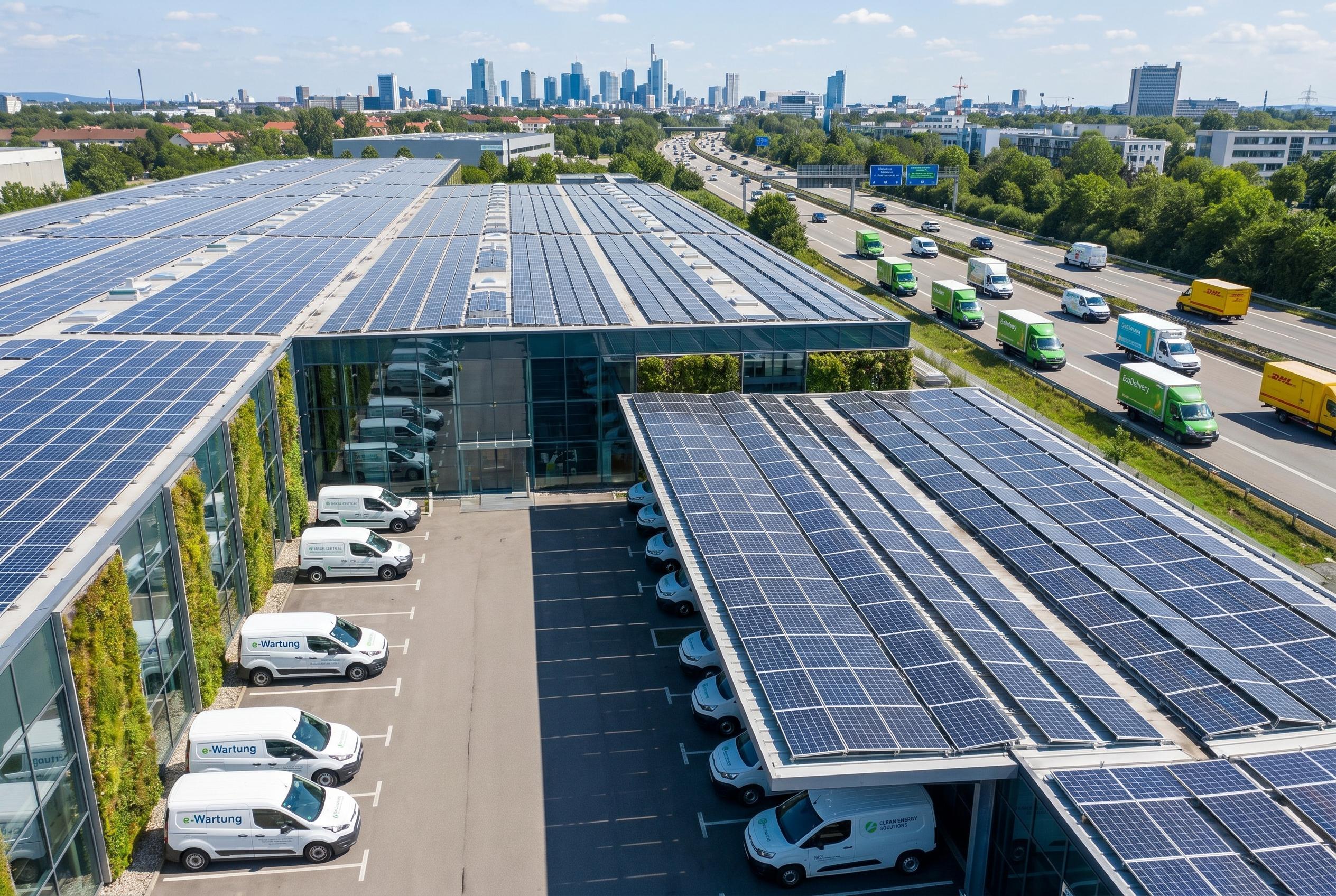
Shoppers of insight are turning to Europe’s C&I energy storage scene as grid strains, rising bills and net‑zero targets force businesses to act; the European C&I Energy Storage and Management Summit 2026 gathers operators, tech providers and investors in one place to map how storage moves from pilots into scaled operations.
Essential Takeaways
- Who’s attending: CEOs, CTOs, energy directors, utilities, BESS/EMS vendors, EPCs, investors and large energy users , a full industry cross‑section.
- Key themes: EU battery regulations, REPowerEU implications, grid connection, demand response, VPPs and Energy‑as‑a‑Service.
- Practical focus: Case studies from data centres, manufacturing sites and renewable+storage projects , real deployments, not just slides.
- Benefits for businesses: Insights on cost reduction, resilience, lifecycle safety and revenue stacking for assets.
- Feel of the event: Technical, strategic and deal‑oriented , expect policy briefings, integration playbooks and commercial models.
Why this summit matters now for C&I energy managers
Europe’s commercial and industrial energy users are juggling higher electricity prices, tighter carbon targets and patchy grids, and that pressure is noisy and tangible. According to event organisers, the summit is timed to help decision‑makers translate those pressures into operational solutions, from behind‑the‑meter batteries to VPP participation. If you manage energy for a campus, factory or data centre, you’ll want to see how storage can cut costs and shore up uptime.
What you’ll learn about market and policy drivers
Speakers will unpack EU battery regulations and the REPowerEU agenda, giving clarity on compliance and incentives. Sessions will cover the 2026–2030 storage outlook, grid connection bottlenecks and capacity market entry , practical stuff that shapes project economics. For procurement teams, that policy context is crucial when sizing projects or locking long‑term contracts.
Real industrial case studies that actually help you decide
Organisers promise detailed case studies from data centres, manufacturing plants and industrial parks , not just high‑level theory. Expect lessons on thermal plus battery integration, renewables paired with storage and site‑level resilience upgrades. Those plug‑and‑play learnings make it easier to pick the right battery chemistry, inverter stack and control platform for your site.
Tech focus: EMS, BESS, digital twins and VPPs
The tech agenda ranges from battery energy storage systems and power conversion equipment to EMS platforms, AI and digital twins. One big thread is aggregation and virtual power plants , how to get paid for flexibility while keeping local resilience intact. If you’re evaluating energy management software, this is a good place to compare vendor approaches to forecasting, optimisation and grid dispatch.
Money matters: CAPEX, lifecycle costs and revenue stacking
Investors and asset managers will discuss financing structures, modular design to optimise CAPEX and lifecycle safety management. Practical revenue topics include demand response, capacity markets and merchant optimisation. For CFOs, the sessions aim to show how storage can be a revenue source as well as a hedge against price spikes.
Networking: who you’ll meet and why it helps
This summit gathers system integrators, EPCs, BESS and EMS providers, utilities and large end users , the sort of mix that gets projects off the whiteboard. For teams looking to pilot or scale, those conversations can fast‑track supply chain choices and partnership models. Come prepared with site data and a shortlist of questions to make the most of hallway time.
Choosing what to focus on after the summit
Leave with a shortlist: regulatory actions you need to track, a technical pilot scope, vendors to trial, and a simple business case for your CFO. Small steps , a grid services trial here, a resilience battery there , can change running costs and risk profiles fast. And remember, storage strategies should fit your operations, not the other way round.
It’s a small change that can make energy bills and downtime far more predictable.
Source Reference Map
Story idea inspired by: [1]
Sources by paragraph:
Noah Fact Check Pro
The draft above was created using the information available at the time the story first
emerged. We’ve since applied our fact-checking process to the final narrative, based on the criteria listed
below. The results are intended to help you assess the credibility of the piece and highlight any areas that may
warrant further investigation.
Freshness check
Score:
8
Notes:
The event is scheduled for 2026, with the earliest known publication date being 4 months ago. ([gwcnweb.org](https://gwcnweb.org/2026/01/05/gwcn-a-partner-of-the-europe-battery-energy-storage-summit-2026/?utm_source=openai)) The content appears original, with no evidence of prior publication. However, the event’s date is in the future, so the information is not yet current.
Quotes check
Score:
10
Notes:
No direct quotes are present in the provided text, so this check is not applicable.
Source reliability
Score:
7
Notes:
The primary source is a press release from the event organisers, which is typically considered a high-freshness source. ([gwcnweb.org](https://gwcnweb.org/2026/01/05/gwcn-a-partner-of-the-europe-battery-energy-storage-summit-2026/?utm_source=openai)) However, press releases are promotional materials and may lack independent verification, which slightly reduces their reliability.
Plausibility check
Score:
9
Notes:
The event’s focus on energy storage aligns with current industry trends. The details provided are plausible and consistent with the event’s objectives. However, the event is scheduled for 2026, so the information is not yet current.
Overall assessment
Verdict (FAIL, OPEN, PASS): PASS
Confidence (LOW, MEDIUM, HIGH): MEDIUM
Summary:
The content provides original information about an upcoming event scheduled for 2026. While the details are plausible and align with industry trends, the reliance on a press release from the event organisers slightly reduces the reliability due to potential promotional bias. Additionally, the event’s date is in the future, so the information is not yet current. Given these factors, the overall confidence in the content’s accuracy is medium.


