Learning how to evade the military as a civilian is a grim necessity for some, and I appreciate that the video addresses this need, even if the topic is uncomfortable.
I wonder if the video will discuss the psychological aspects of evasion, such as maintaining mental health and avoiding detection through behavioral changes.
It’s concerning that the video might be promoting or glorifying violence, even in the context of self-defense or evasion, without considering the broader ethical implications.
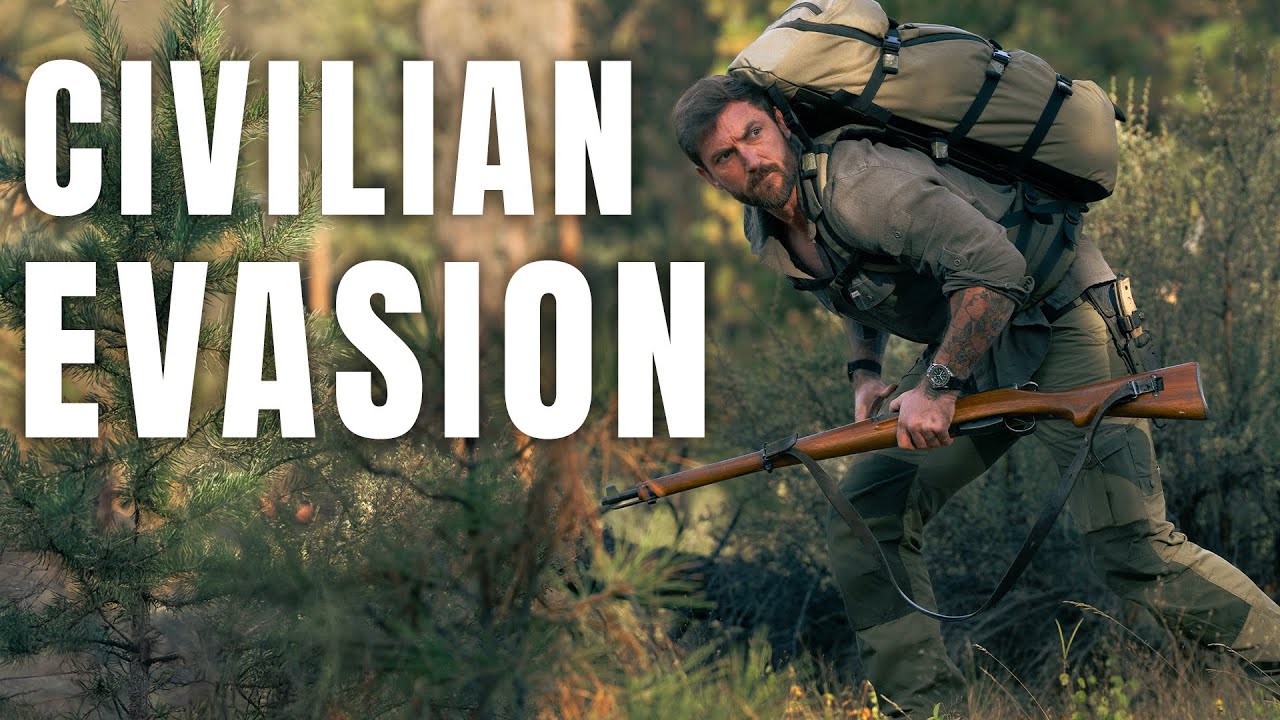
Given the title, I expect the video to cover topics like camouflage, navigation, and possibly guerrilla warfare tactics, all of which are crucial for survival in a hostile environment.
The preview doesn’t specify if the video is geared towards individuals or groups, which could significantly affect the strategies and techniques discussed.
It would be beneficial for the video to discuss the aftermath of a survival situation, including how to reintegrate into society and deal with potential psychological trauma.
Given the broad title, I’m curious if the video will delve into the planning and preparation phase of evasion, including when to decide to flee and how to prepare beforehand.
Understanding the environment and using it to one’s advantage is a key aspect of survival, and I’m looking forward to seeing how the video explores this in a mountainous context.
The mention of ‘becoming deadly’ might imply a level of aggression that not all viewers will be comfortable with or find appropriate for a survival situation.
I’m curious to know more about the specific skills and training required to survive in the mountains while evading military forces, as hinted at in the video preview.
Viewers should be cautious and critically evaluate any advice given in the video, considering their own situation and the legal and ethical implications of their actions.
The video’s focus on mountainous terrain as a potential refuge for civilians trying to evade the military raises questions about the feasibility of such strategies in densely populated areas.
The title suggests a dramatic and possibly sensationalized approach to a very serious topic; I hope the content is balanced and provides practical, useful information.
The concept of becoming ‘deadly in the mountains’ implies a high level of physical and tactical training, which might not be accessible or practical for all civilians.
Given the serious nature of the topic, I expect the video to approach it with the gravity and respect it deserves, avoiding sensationalism and focusing on practical, life-saving information.
The title’s emphasis on the mountains as a location for evasion suggests that terrain-specific strategies will be a significant part of the video’s content.
The video preview raises more questions than it answers, such as what specific skills are considered ‘deadly’ in this context and how they can be learned safely and legally.
It would be interesting to see if the video touches on the importance of having a safe extraction plan or a way to signal for help once the immediate danger has passed.
Survival in the mountains requires not just knowledge of combat but also of first aid, finding food, and managing injuries, which I hope are covered in the video.
I’m interested in seeing how the video balances the need for individuals to protect themselves with the broader societal and community aspects of conflict and survival.
For those living in areas with ongoing conflict, learning how to navigate and hide in mountainous regions could be a literal lifesaver, making this video potentially very valuable.
For the video to be truly useful, it needs to provide actionable advice that viewers can apply in real-world scenarios, rather than just theoretical knowledge.
It’s essential to consider the role of technology in evasion, including the use of GPS, communication devices, and potentially, counter-surveillance techniques.


31 Comments
Learning how to evade the military as a civilian is a grim necessity for some, and I appreciate that the video addresses this need, even if the topic is uncomfortable.
I wonder if the video will discuss the psychological aspects of evasion, such as maintaining mental health and avoiding detection through behavioral changes.
The practicality of the strategies presented will depend heavily on the individual’s starting level of physical fitness and outdoor survival skills.
It’s concerning that the video might be promoting or glorifying violence, even in the context of self-defense or evasion, without considering the broader ethical implications.
The context of the video is key; it’s possible the focus is on survival techniques rather than promoting violence.
Given the title, I expect the video to cover topics like camouflage, navigation, and possibly guerrilla warfare tactics, all of which are crucial for survival in a hostile environment.
The preview doesn’t specify if the video is geared towards individuals or groups, which could significantly affect the strategies and techniques discussed.
Group dynamics could indeed change the approach entirely, including communication, coordination, and resource allocation.
It would be beneficial for the video to discuss the aftermath of a survival situation, including how to reintegrate into society and deal with potential psychological trauma.
Given the broad title, I’m curious if the video will delve into the planning and preparation phase of evasion, including when to decide to flee and how to prepare beforehand.
Understanding the environment and using it to one’s advantage is a key aspect of survival, and I’m looking forward to seeing how the video explores this in a mountainous context.
The mention of ‘becoming deadly’ might imply a level of aggression that not all viewers will be comfortable with or find appropriate for a survival situation.
I’m curious to know more about the specific skills and training required to survive in the mountains while evading military forces, as hinted at in the video preview.
Viewers should be cautious and critically evaluate any advice given in the video, considering their own situation and the legal and ethical implications of their actions.
The video’s focus on mountainous terrain as a potential refuge for civilians trying to evade the military raises questions about the feasibility of such strategies in densely populated areas.
The title suggests a dramatic and possibly sensationalized approach to a very serious topic; I hope the content is balanced and provides practical, useful information.
I hope the video discusses the legal and moral implications of taking up arms or using deadly force, even in self-defense, as this is a complex issue.
The legal aspects can vary greatly by country and situation, making this a crucial point for clarification.
The concept of becoming ‘deadly in the mountains’ implies a high level of physical and tactical training, which might not be accessible or practical for all civilians.
That’s true, but the video might offer alternative strategies or adaptations for those with limited training or mobility.
Given the serious nature of the topic, I expect the video to approach it with the gravity and respect it deserves, avoiding sensationalism and focusing on practical, life-saving information.
The title’s emphasis on the mountains as a location for evasion suggests that terrain-specific strategies will be a significant part of the video’s content.
The video preview raises more questions than it answers, such as what specific skills are considered ‘deadly’ in this context and how they can be learned safely and legally.
It would be interesting to see if the video touches on the importance of having a safe extraction plan or a way to signal for help once the immediate danger has passed.
Survival in the mountains requires not just knowledge of combat but also of first aid, finding food, and managing injuries, which I hope are covered in the video.
I’m interested in seeing how the video balances the need for individuals to protect themselves with the broader societal and community aspects of conflict and survival.
For those living in areas with ongoing conflict, learning how to navigate and hide in mountainous regions could be a literal lifesaver, making this video potentially very valuable.
The importance of community and alliances in survival situations should not be underestimated, and I hope this aspect is covered in the video.
Forming alliances can indeed be crucial, but so can knowing when to trust others in a high-stakes environment.
For the video to be truly useful, it needs to provide actionable advice that viewers can apply in real-world scenarios, rather than just theoretical knowledge.
It’s essential to consider the role of technology in evasion, including the use of GPS, communication devices, and potentially, counter-surveillance techniques.