

Listen to the article
I’m a complete topwater junkie. Whether I’m casting dry flies for trout, chucking frogs for bass, or chugging big prop baits for pike, muskie, and even tarpon, I can’t get enough of watching fish explode on baits floating on the surface of the water. Many of my angling friends question my addiction to topwater fishing, wondering where it comes from, and I tell them it all started with panfish.
When I was a kid, I was addicted to catching bluegills on poppers out of my uncle’s farm pond, and it really taught me something. While many anglers think of panfish as a simple worm and bobber species, the fact is that they absolutely explode onto properly presented topwater baits like tiny aquatic missiles.
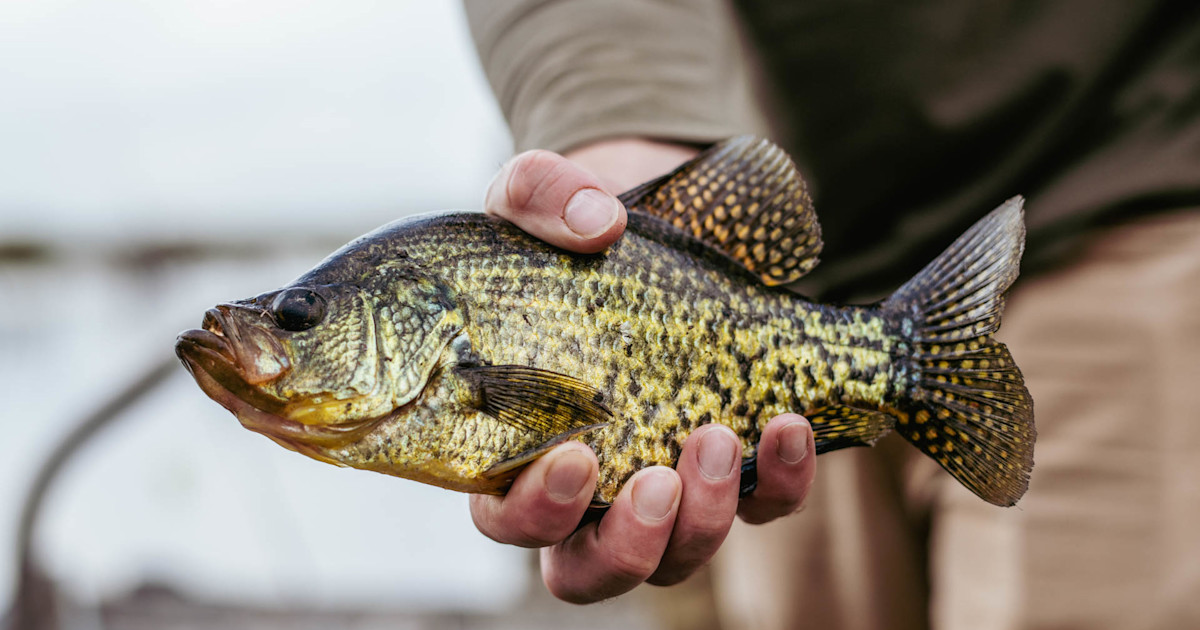
Topwater fishing is a great way to add a bit of spark to your average panfish expedition and is one of the most underutilized ways to fill a cooler with bluegills, crappie, and other delectable species while having a hell of a lot of fun to boot.
Picking the Right Lures and Flies
When panfish feed on the surface, it’s generally out of aggression rather than predation, so there’s no need to match the hatch like you do for trout. But since panfish run smaller, you need to go with smaller topwater lures.
There are a lot of options when it comes to topwater lures for panfish. For aggressive fish in cool water shallows, twitch baits like Z-Walker are ideal, as the rapid, side-to-side action of the lure imitates a wounded minnow struggling on the surface of the water, ringing the dinner bell for any hungry crappie, bluegill, or perch in the area. In warmer water when fish are a bit more sluggish, you can work tiny poppers and prop baits like the Bitsy Popper and Heddon Teeny Torpedo to tempt spooky or hesitant panfish to the surface.
Fly anglers have even more options. Not only are there a wide array of panfish popper-style flies out there, but when panfish are finicky, you can use large attractor-style flies designed for trout to get them to commit. Some of my favorite panfish flies include the Chernobyl Ant, the PMX, and the Rosenhopper.
Fishing The Right Times
Like all predatory species, panfish have specific feeding windows. Weather conditions can also flip the switch for them too. When fishing during the bright, sunny days of summer, your best bet for success is by fishing early in the morning and late in the evening. This holds true for most species but is worth noting, as the first two to three hours after sunrise and the last hour both before and after sunset are all prime times.
If you’re looking for some all-day topwater panfish action, you’ll have to wait for cloudy, overcast days. Even with a little bit of rain, most anglers leave the water or don’t even bother going out. But, the lower light allows the fish to hunt in shallower waters than normal, and they’ll feed aggressively on the surface. You might get wet, but it’s a great time to chug the surface with topwater baits for panfish.
Target Structure and Weeds
While a lot of panfish go into deeper water during the summer, you can still find plenty of fish in the shallows by targeting structure. Weed beds, boat docks, brush piles, and sunken timber will all hold schools of panfish in shallow water throughout the entire summer, making these spots ideal for topwater activity.
Subsurface weed beds like coontail, duckweed, and lily pads are all prime bluegill, crappie, and perch habitat, especially when you fish around holes and edges. Start your topwater assault in these areas by casting your lures and flies into the middle of the weeds so that your baits will float just above the thickest areas. Then, slowly work your baits out from the center of the weeds so they pass over the edges of holes and gaps in the weeds. If your baits don’t get smashed, move and fish the fringes of the weed beds. Make repeated long casts along the transition lines where the edges of the weed bed meet deeper water, and you should find success.
Solid structures like boat docks, brush piles, and overhanging trees attract panfish because they provide a lot of shade. To catch the fish hanging in these shady spots, you’ve got to get your topwater baits back into the shadows. Make short, side-arm casts that skip and skim your lures and flies back into these structures so your baits splash down on top of the shadiest areas. Once your fly or lure lands, allow it to rest until the ripples around it completely fade and then slowly twitch and pop it back out towards the sun. Ideally, any panfish attracted to the splash of your bait landing will either hit the bait on the pause or will smash it as soon as it moves.
On Top Of Things
Watching any size fish hit a topwater lure makes for a good time. While we expect this aerial aggression from predatory species like bass, muskie, and trout, there’s something magical about watching a relatively docile panfish do the same.
Read the full article here

6 Comments
Solid analysis. Will be watching this space.
Interesting update on How to Catch Topwater Panfish. Looking forward to seeing how this develops.
This is very helpful information. Appreciate the detailed analysis.
Good point. Watching closely.
Great insights on Hunting. Thanks for sharing!
I’ve been following this closely. Good to see the latest updates.