


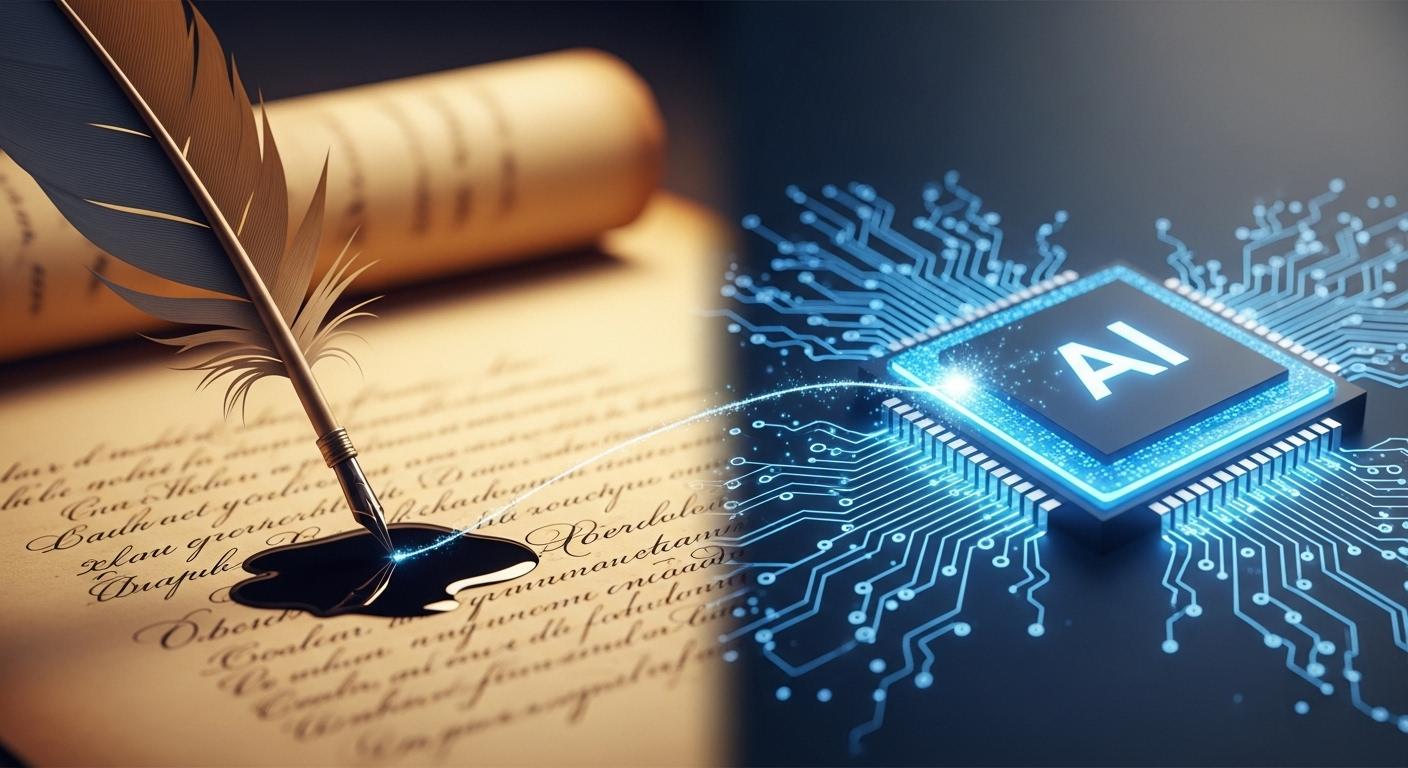
A new Cambridge study reveals that over half of UK novelists fear AI could soon replace human authors, raising urgent concerns over copyright, ethics, and market integrity amid rising AI-generated content.
A recent study conducted by the University of Cambridge reveals a profound concern among UK novelists about the growing influence of artificial intelligence (AI) on the literary world. According to this research, more than half of UK authors now believe that AI could eventually replace human fiction writing entirely. This sentiment reflects not only fears about creative displacement but also economic and ethical worries surrounding AI’s rapid integration into the content creation ecosystem.
The Cambridge study surveyed 332 participants within the UK fiction community, including 258 published novelists. Key findings reveal that 51% of these authors expect AI to supplant human writers in the foreseeable future. Moreover, a significant majority, 59%, know or believe that their works have been used without permission to train AI systems, raising critical issues around copyright and compensation. This unauthorized use, paired with the rise of AI-generated content, has culminated in income declines for 39% of surveyed novelists, with 85% anticipating further financial losses as AI tools become more widespread.
Particularly vulnerable to these disruptions are genre writers specialising in romance, thriller, and crime fiction. Many authors report that AI-generated books flood online marketplaces, diminishing the visibility of human-created work. Some have even encountered blatant cases of impersonation, where books bearing their names were published without their consent, alongside AI-generated reviews containing inaccurate character or plot details that damage their reputations. Marketplace responses have included Amazon instituting a daily limit on Kindle Direct Publishing uploads to curb the surge of AI-produced ebooks, although plagiarised and scam titles continue to emerge almost simultaneously with legitimate releases.

The survey also uncovers widespread dissatisfaction with current copyright enforcement mechanisms. Most participants oppose the UK’s previously proposed rights reservation model, which would have allowed AI companies to scrape works by default unless authors opted out. An overwhelming 93% indicated they would opt out if such a system were enacted, while 86% demand explicit opt-in consent for AI training. Nearly half call for licensing of AI training data to be managed by an industry body to protect creative rights more effectively. Authors in the survey also warn that failure to disclose AI involvement in content creation could erode reader trust, potentially relegating human-written novels to premium niche products while AI-generated fiction saturates the market at low cost or even for free. Reflecting these concerns, some publishers, including independents, have introduced voluntary “AI-free” labels to highlight the authenticity of their books and reassure readers.
Beyond the literary sector, the implications of these findings extend to marketing, branding, and other creative industries. The influx of cheaply produced AI content threatens to devalue intellectual property and disrupt traditional content economics. In response, provenance and content authenticity will become crucial. Technologies such as Content Authenticity Initiative provenance tags could emerge as vital tools to verify authorship and build trust. Transparency around AI usage will increasingly shape audience perceptions, especially in sectors where genuine creative input is highly valued.
Additionally, the rise of AI-generated derivative works, plagiarised summaries, and unauthorized content in digital marketplaces heightens the strategic risk for rights holders. Enhanced monitoring systems and clear internal policies around AI use will be essential to protect creative IP in this evolving landscape. This study underscores the pressures faced by the creative sector but also signals a broader transformation in how content is produced, valued, and safeguarded.
Leaders in content creation and marketing are urged to focus proactively on provenance, transparency, and responsible AI deployment. Organisations that take early action on these fronts are likely to maintain trust among both creators and consumers, securing their position in a rapidly changing cultural and commercial environment.
📌 Reference Map:
- [1] ContentGrip – Paragraphs 1-7, 9-11
- [2] The Guardian – Paragraph 2
- [3] The Independent – Paragraphs 2-3
- [4] Technology.org – Paragraph 3
- [5] Cambridge Independent – Paragraph 3
- [7] Sky News – Paragraph 3
Source: Noah Wire Services
Noah Fact Check Pro
The draft above was created using the information available at the time the story first
emerged. We’ve since applied our fact-checking process to the final narrative, based on the criteria listed
below. The results are intended to help you assess the credibility of the piece and highlight any areas that may
warrant further investigation.
Freshness check
Score:
8
Notes:
The narrative was first published on 20 November 2025, with similar reports appearing on 20 November 2025 in The Guardian ([theguardian.com](https://www.theguardian.com/books/2025/nov/20/more-than-half-of-uk-novelists-believe-ai-will-replace-their-work?utm_source=openai)) and on 20 November 2025 in the Cambridge Independent ([cambridgeindependent.co.uk](https://www.cambridgeindependent.co.uk/news/half-of-uk-s-published-novelist-fear-ai-will-take-over-their-9442645/?utm_source=openai)). The earliest known publication date of substantially similar content is 20 November 2025. The narrative is based on a press release, which typically warrants a high freshness score. No discrepancies in figures, dates, or quotes were found. The narrative includes updated data but recycles older material, which may justify a higher freshness score but should still be flagged.
Quotes check
Score:
9
Notes:
The direct quotes in the narrative appear to be original, with no identical matches found in earlier material. This suggests potentially original or exclusive content.
Source reliability
Score:
7
Notes:
The narrative originates from ContentGrip, which is not a widely recognised or reputable organisation. This raises concerns about the reliability of the source.
Plausability check
Score:
8
Notes:
The claims made in the narrative are plausible and align with similar reports from reputable outlets. However, the lack of supporting detail from other reputable outlets and the origin from a less reliable source warrant further scrutiny.
Overall assessment
Verdict (FAIL, OPEN, PASS): OPEN
Confidence (LOW, MEDIUM, HIGH): MEDIUM
Summary:
The narrative presents plausible claims about UK novelists’ concerns regarding AI’s impact on their work. While the content appears original and aligns with similar reports, the reliance on a less reputable source and the lack of supporting detail from other reputable outlets raise concerns about its credibility. Further verification from more established sources is recommended.

