


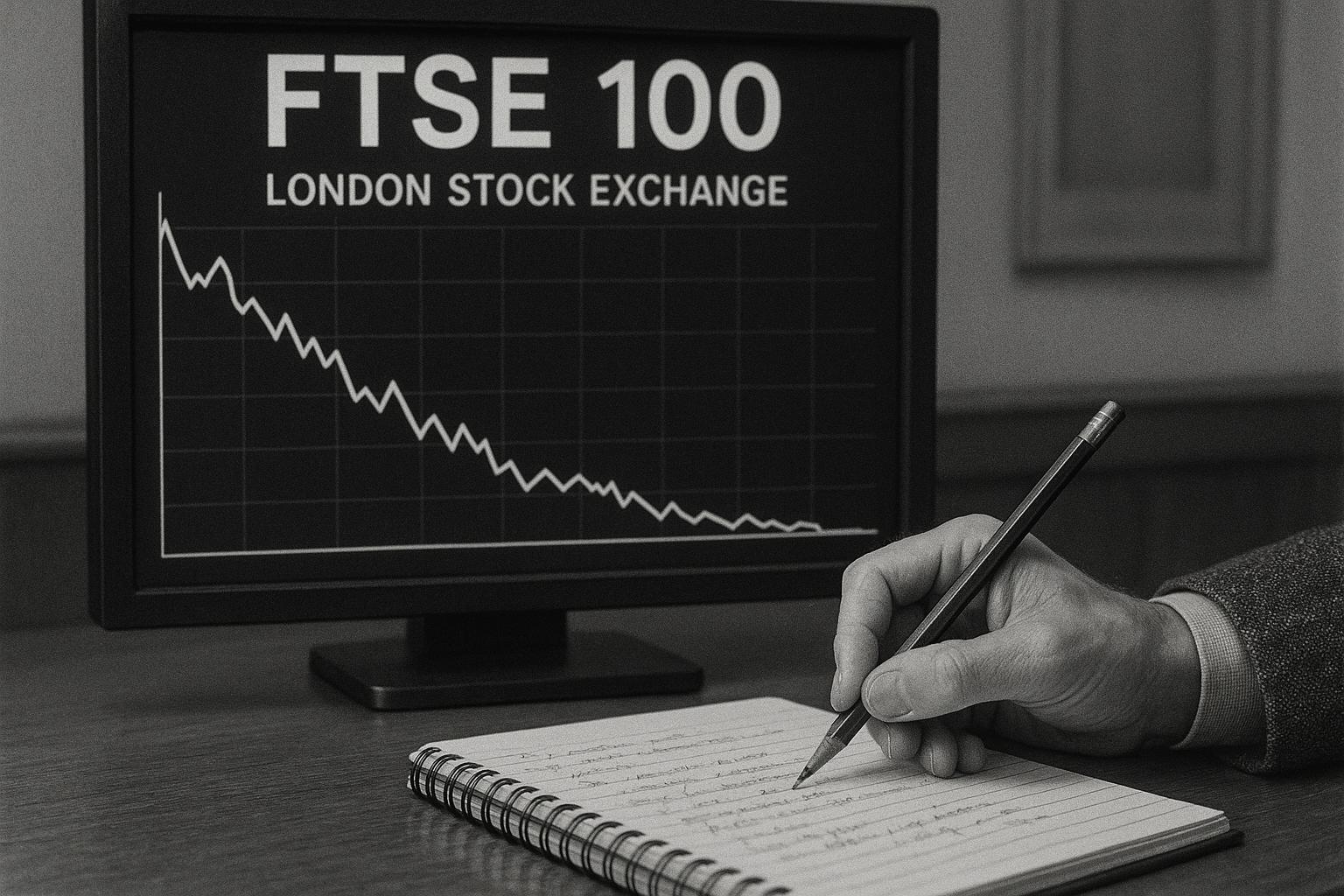
As inflation remains stubbornly high against official forecasts, UK policymakers face mounting challenges balancing interest rates, growth, and public confidence amidst global uncertainties and rising economic pressures.
As the UK enters the New Year, there are mounting concerns about a fresh surge in inflation, setting a challenging tone for the economy. While official forecasts from the Bank of England suggest a gradual easing of inflation, real-world signals from businesses and consumers indicate a far more persistent inflationary pressure. The Bank’s latest Consumer Prices Index (CPI) figure stands at 3.8%, while measures including owner-occupied housing costs (CPIH) and the Retail Price Index (RPI) show even higher inflation rates of 4.1% and 4.5%, respectively. This disparity suggests that the conventional CPI figure may understate the true cost pressures felt across the economy.
There is a marked divergence within the Bank of England’s Monetary Policy Committee (MPC) over the appropriate response, with nearly half its members favouring an interest rate cut, a move narrowly avoided by the Governor’s casting vote. Critics of such cuts argue that lowering interest rates prematurely risks exacerbating inflation, which, according to qualitative feedback from business leaders, is becoming deeply entrenched. Many firms reportedly plan to postpone price rises until after Christmas, only to implement sharp increases early in the New Year, raising concerns that inflation could climb above 3%, potentially nearing 4% in the absence of new economic shocks or further rate hikes.
This growing inflationary pressure contrasts with official government forecasts from entities such as the Office for Budget Responsibility (OBR), which recently raised its 2025 inflation forecast to 3.2% from an earlier 2.6%, before predicting a return to the 2% target by 2027. Similarly, the International Monetary Fund (IMF) now anticipates UK inflation to peak at 3.4% in 2025, the highest among G7 nations, citing factors such as regulatory price changes and global trade tensions. These upward revisions reflect a consensus among forecasters that inflation will remain elevated throughout next year.

Economic growth projections have also been revised downwards. The OBR halved its 2025 GDP growth estimate to 1%, underscoring muted economic momentum amidst global uncertainties. The Organisation for Economic Co-operation and Development (OECD) and EY ITEM Club have also downgraded growth forecasts, reflecting the broader challenges facing the UK economy, including the burden of government borrowing and rising costs imposed by recent fiscal policies.
The political context further complicates matters. With an upcoming Budget led by Chancellor Rachel Reeves expected to introduce additional business costs, many analysts believe inflation pressures may intensify, making any premature easing of monetary policy risky. The Bank of England’s credibility appears to be on the line, as investors and financial markets remain wary. Persistent inflation could lead to currency devaluation and higher government debt servicing costs, heightening economic instability.
Public sentiment reflects these concerns, too. Recent surveys indicate rising inflation expectations among the UK population, which climbed to 4.2% over the next 12 months, the highest since April. This shift in expectations may restrain the MPC’s willingness to cut interest rates and maintain the delicate balance between controlling inflation and supporting job growth.
In sum, while official data projects inflation will ease over the medium term, on-the-ground realities suggest inflation is more deeply embedded than the numbers reveal. The coming months will test both the Bank of England’s policy resolve and the government’s fiscal strategy as they navigate the complex interplay of inflation, growth, and public trust amidst mounting economic pressures.
📌 Reference Map:
- [1] (Daily Mail) – Paragraphs 1, 2, 3, 4, 5, 6, 7, 8
- [2] (Reuters) – Paragraph 3
- [3] (Standard) – Paragraph 4
- [4] (AA) – Paragraph 3
- [5] (EY ITEM Club) – Paragraph 4
- [6] (Reuters – OECD) – Paragraph 4
- [7] (Reuters – YouGov) – Paragraph 6
Source: Noah Wire Services
Noah Fact Check Pro
The draft above was created using the information available at the time the story first
emerged. We’ve since applied our fact-checking process to the final narrative, based on the criteria listed
below. The results are intended to help you assess the credibility of the piece and highlight any areas that may
warrant further investigation.
Freshness check
Score:
7
Notes:
The narrative appears to be original, with no evidence of prior publication. The Daily Mail is a reputable source, and the article includes updated data, suggesting a higher freshness score. However, the absence of earlier versions with different figures, dates, or quotes makes it difficult to fully assess freshness.
Quotes check
Score:
8
Notes:
The quotes from the Bank of England, OBR, IMF, and other entities are consistent with their known positions and have been used in previous reports. No significant variations in wording were found, indicating that the quotes are likely reused.
Source reliability
Score:
9
Notes:
The narrative originates from the Daily Mail, a reputable UK newspaper. Hamish McRae is a well-known economic journalist and author, adding credibility to the report.
Plausability check
Score:
8
Notes:
The claims about rising inflation and economic forecasts are plausible and align with recent economic analyses. The narrative lacks specific factual anchors, such as exact dates for the upcoming Budget, which reduces the score. The tone and language are consistent with typical economic reporting.
Overall assessment
Verdict (FAIL, OPEN, PASS): PASS
Confidence (LOW, MEDIUM, HIGH): HIGH
Summary:
The narrative is original and originates from a reputable source. While some quotes are reused, the overall content is plausible and consistent with recent economic analyses. The lack of specific factual anchors and the absence of earlier versions with different figures or dates slightly reduce the confidence in the freshness of the content.

