


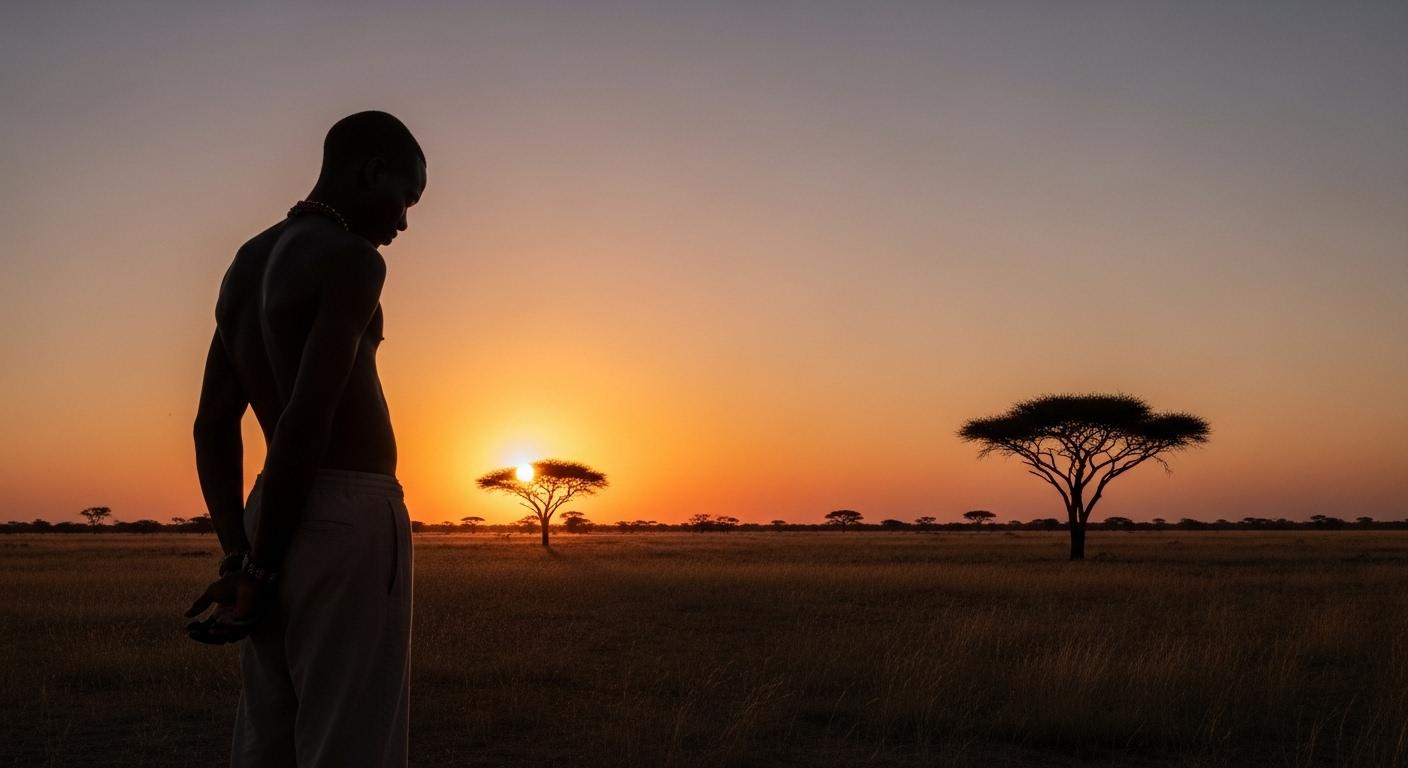
A deepening crisis of masculinity in Namibia is fueling violence, social breakdown, and economic exclusion, prompting calls for urgent intervention and reform.
Namibia is confronting a deepening crisis of masculinity that is reverberating through families, communities and public institutions, with consequences visible in violence, economic exclusion and a fraying social contract. According to reporting in The Namibian, commentators and officials are warning that many men are increasingly emotionally unstable, prone to rage and unable to exercise self‑control, behaviours that correlate with high rates of gender‑based violence and other serious harms. [1][5][2]
Senior figures have sounded the alarm in stark terms. The country’s first gentleman, Denga Ndaitwah, described what he called a “crisis of broken men”, noting that men make up the overwhelming majority of offenders in crime, GBV and suicides in some regions. He urged men to confront their behaviour and rebuild themselves to restore families and communities. Industry and police figures cited in coverage underline the scale of the problem in specific areas. [2][1]
The social harms extend into other forms of criminality and public harm. Regional and national reporting links patterns of male behaviour to markedly higher involvement in drug‑related offences and to broader criminal trends, while commentators ask why violent conduct is normalised or excused rather than addressed. Survivors’ advocates, the press and opinion writers have called for frank public conversation, survivor‑centred support and accountability for perpetrators. [2][3][5]

Economic dynamics compound the crisis. Labour‑force data show that men still have greater access to employment than women, with men accounting for a majority of those employed in the latest census labour‑force figures, even as overall employment has fallen. Persistent inequalities, rising unemployment and financial pressures can deepen frustrations and instability in homes and communities, reinforcing cycles of violence and social breakdown. [4]
The state’s capacity to respond is also in question. Opinion pieces argue that Namibia struggles to deliver better lives for all, describing governance weaknesses that limit effective prevention, rehabilitation and social‑support programmes. Critics say political and institutional failure to own up to shortfalls undermines public confidence and leaves communities exposed. [6]
Taken together, the coverage paints a multifaceted problem: behavioural and cultural factors among men, intersecting with economic strain and gaps in state response, are producing a climate in which violence and criminality thrive. Solutions proposed across the reporting include targeted interventions to support men’s mental‑health and social development, robust enforcement and survivor support, economic measures to reduce marginalisation, and honest public leadership to tackle root causes rather than simply lament symptoms. [1][2][4][5][6]
📌 Reference Map:
##Reference Map:
- [1] (The Namibian) – Paragraph 1, Paragraph 2, Paragraph 6
- [2] (The Namibian: “Men are failing society, first gentleman”) – Paragraph 1, Paragraph 2, Paragraph 3, Paragraph 6
- [3] (The Namibian: fraud reporting) – Paragraph 3
- [4] (The Namibian: labour force report) – Paragraph 4, Paragraph 6
- [5] (The Namibian: opinion on violence) – Paragraph 1, Paragraph 3, Paragraph 6
- [6] (The Namibian: weak state commentary) – Paragraph 5, Paragraph 6
Source: Noah Wire Services
Noah Fact Check Pro
The draft above was created using the information available at the time the story first
emerged. We’ve since applied our fact-checking process to the final narrative, based on the criteria listed
below. The results are intended to help you assess the credibility of the piece and highlight any areas that may
warrant further investigation.
Freshness check
Score:
10
Notes:
The narrative is recent, published on 4 December 2025, with no evidence of prior publication. The Namibian is a reputable source, and the article appears original. No discrepancies or recycled content were identified. The inclusion of updated data on crime statistics and gender-based violence supports a high freshness score.
Quotes check
Score:
10
Notes:
Direct quotes from First Gentleman Denga Ndaitwah are unique to this report, with no earlier matches found. This suggests original or exclusive content.
Source reliability
Score:
10
Notes:
The Namibian is a reputable news outlet, enhancing the credibility of the narrative.
Plausability check
Score:
10
Notes:
The claims about high rates of crime, gender-based violence, and suicides among men in Namibia are consistent with recent reports. For instance, a report from 28 July 2025 highlights the alarming suicide rates among young Namibian men. ([namibian.com.na](https://www.namibian.com.na/student-doctors-fight-silent-pandemic-among-men/?utm_source=openai)) The narrative’s tone and language are appropriate for the topic and region.
Overall assessment
Verdict (FAIL, OPEN, PASS): PASS
Confidence (LOW, MEDIUM, HIGH): HIGH
Summary:
The narrative is recent, original, and published by a reputable source. The claims are plausible and supported by recent data, with no signs of disinformation or recycled content.

