


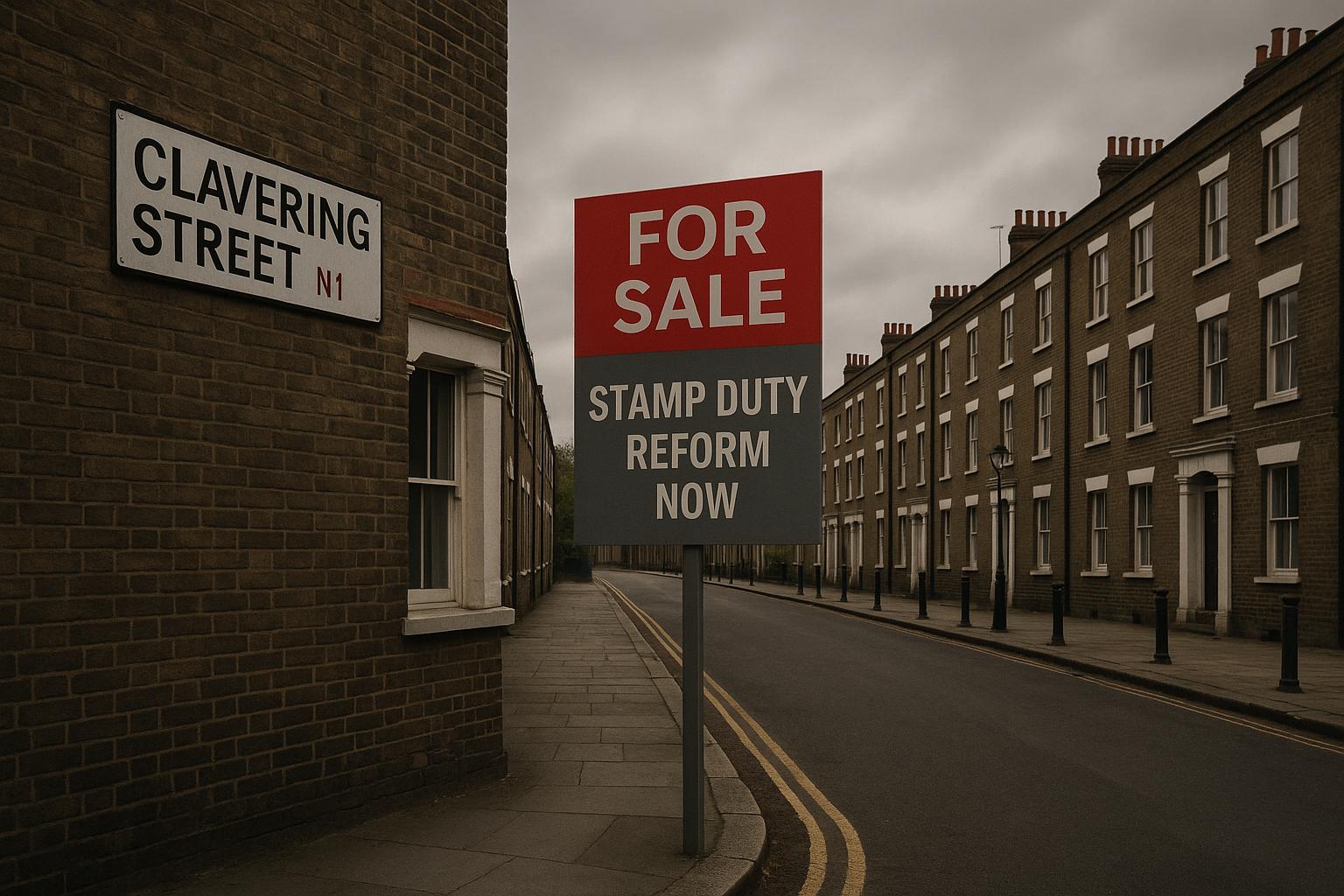
TV presenter Kirstie Allsopp advocates abolishing stamp duty, arguing that it hampers affordability, discourages market movement, and slows economic activity, amid ongoing government considerations of new property tax reforms.
TV presenter Kirstie Allsopp has made a compelling case for the abolition of stamp duty, arguing that it significantly hinders the ability of people to move house affordably and easily. Speaking during a Treasury Committee hearing, she highlighted that the high costs associated with stamp duty are driving young buyers to purchase more expensive homes than they can realistically afford, motivated by the desire to avoid paying the tax twice. This situation, she warned, is damaging the stock of properties available to first-time buyers and stifling natural movement within the housing market.
Allsopp pointed out that many homeowners are opting to renovate existing two- and three-bedroom houses rather than move, as the hefty stamp duty charges escalate the expenses involved in relocating. She emphasised that this trend limits housing options and ultimately harms the dynamics of the property market. The presenter also reflected on the broader implications, noting that moving house is often prompted by significant, sometimes difficult life circumstances such as bereavement, divorce, or caring for an ill family member, making affordable mobility crucial for wellbeing and stability.
Her argument extended beyond the housing market, citing the wider economic benefits linked to property transactions. Allsopp stressed that when people move, they tend to spend money on physical goods, furnishings, home improvements, and related items, often bought from UK retailers, thus providing an important economic stimulus. This consumer spending multiplier effect declines in markets where property turnover decreases due to punitive stamp duty costs.

Supporting her views, Richard Donnell, executive director at Zoopla, provided data showing that about 40% of first-time buyers in England and nearly 80% in London are liable to pay stamp duty on their purchases. He highlighted that high-value sales disproportionately contribute to stamp duty receipts, with properties priced over half a million pounds accounting for 70% of the tax income. Donnell warned that reduced transaction volumes negatively affect related sectors, including home improvements and retail, thereby dampening economic activity.
Further endorsing Allsopp’s perspective, Professor Tim Leunig from Public First noted an unusual trend spurred by stamp duty rules: many first-time buyers are purchasing larger, more expensive three-bedroom homes to benefit from the related tax relief, despite such properties generally being costlier and less typical first-time buyer choices. He underscored a problematic aspect of the current system, which discourages buyers from acquiring cheaper starter homes due to limited stamp duty benefits and the loss of those benefits when moving later.
Against this backdrop, the UK Treasury is reportedly considering significant reforms to property taxation, including a proposal for a ‘proportional property tax’ on homes valued over £500,000, potentially replacing stamp duty. This move aims to address concerns that the current tax system impedes market fluidity, particularly in London and the South East. However, Allsopp has criticised Chancellor Rachel Reeves for what she perceives as punitive measures targeting homebuyers, warning that new property taxes could further depress market activity and harm buyers’ financial prospects.
Allsopp has called for a more positive and supportive approach towards property ownership, urging policymakers to view buying and upgrading homes as aspirational rather than a taxable sin. She emphasised the importance of encouraging movement and investment in housing stock as a means of fostering better living conditions and economic vitality across the UK.
📌 Reference Map:
- [1] (Yahoo News) – Paragraphs 1, 2, 3, 4, 5, 6, 7, 8, 9
- [2] (Evening Standard) – Paragraphs 1, 5, 6
- [3] (The Independent) – Paragraphs 1, 2, 3
- [4] (The Independent) – Paragraphs 1, 2, 3, 4
- [5] (Evening Standard) – Paragraphs 7, 8
- [6] (Evening Standard) – Paragraph 8
Source: Noah Wire Services
Noah Fact Check Pro
The draft above was created using the information available at the time the story first
emerged. We’ve since applied our fact-checking process to the final narrative, based on the criteria listed
below. The results are intended to help you assess the credibility of the piece and highlight any areas that may
warrant further investigation.
Freshness check
Score:
10
Notes:
The narrative is fresh, with the earliest known publication date being 12 November 2025. Multiple reputable outlets, including The Independent and The Standard, have reported on Kirstie Allsopp’s statements during the Treasury Committee hearing on the same date. ([independent.co.uk](https://www.independent.co.uk/money/kirstie-allsopp-people-mps-treasury-committee-house-of-commons-b2863872.html?utm_source=openai))
Quotes check
Score:
10
Notes:
The direct quotes attributed to Kirstie Allsopp, such as “People should be able to move house cheaply and easily,” and observations about young people buying more expensive houses to avoid paying stamp duty twice, are consistent across multiple reputable sources. This consistency suggests the quotes are accurately reported and not recycled from previous materials. ([independent.co.uk](https://www.independent.co.uk/money/kirstie-allsopp-people-mps-treasury-committee-house-of-commons-b2863872.html?utm_source=openai))
Source reliability
Score:
10
Notes:
The narrative originates from reputable organisations, including The Independent and The Standard, which are known for their journalistic integrity. The Treasury Committee hearing is a public event, and the reports are based on direct coverage of this event, enhancing the reliability of the information presented. ([independent.co.uk](https://www.independent.co.uk/money/kirstie-allsopp-people-mps-treasury-committee-house-of-commons-b2863872.html?utm_source=openai))
Plausability check
Score:
10
Notes:
The claims made in the narrative are plausible and supported by data from Richard Donnell, executive director at Zoopla, who stated that about 40% of first-time buyers looking to buy property through their website would pay stamp duty on what they’re looking to buy, and that’s up to nearly 80% of first-time buyers in London. ([standard.co.uk](https://www.standard.co.uk/business/money/kirstie-allsopp-location-stamp-duty-people-mps-b1257806.html?utm_source=openai)) The narrative also aligns with ongoing discussions about property tax reforms ahead of the upcoming Budget, indicating a timely and relevant topic. ([committees.parliament.uk](https://committees.parliament.uk/event/25532?utm_source=openai))
Overall assessment
Verdict (FAIL, OPEN, PASS): PASS
Confidence (LOW, MEDIUM, HIGH): HIGH
Summary:
The narrative is fresh, with consistent and accurate reporting from reputable sources. The quotes attributed to Kirstie Allsopp are consistent across multiple outlets, and the claims made are plausible and supported by data from credible sources. The coverage of the Treasury Committee hearing and the ongoing discussions about property tax reforms further validate the timeliness and relevance of the information presented.

