


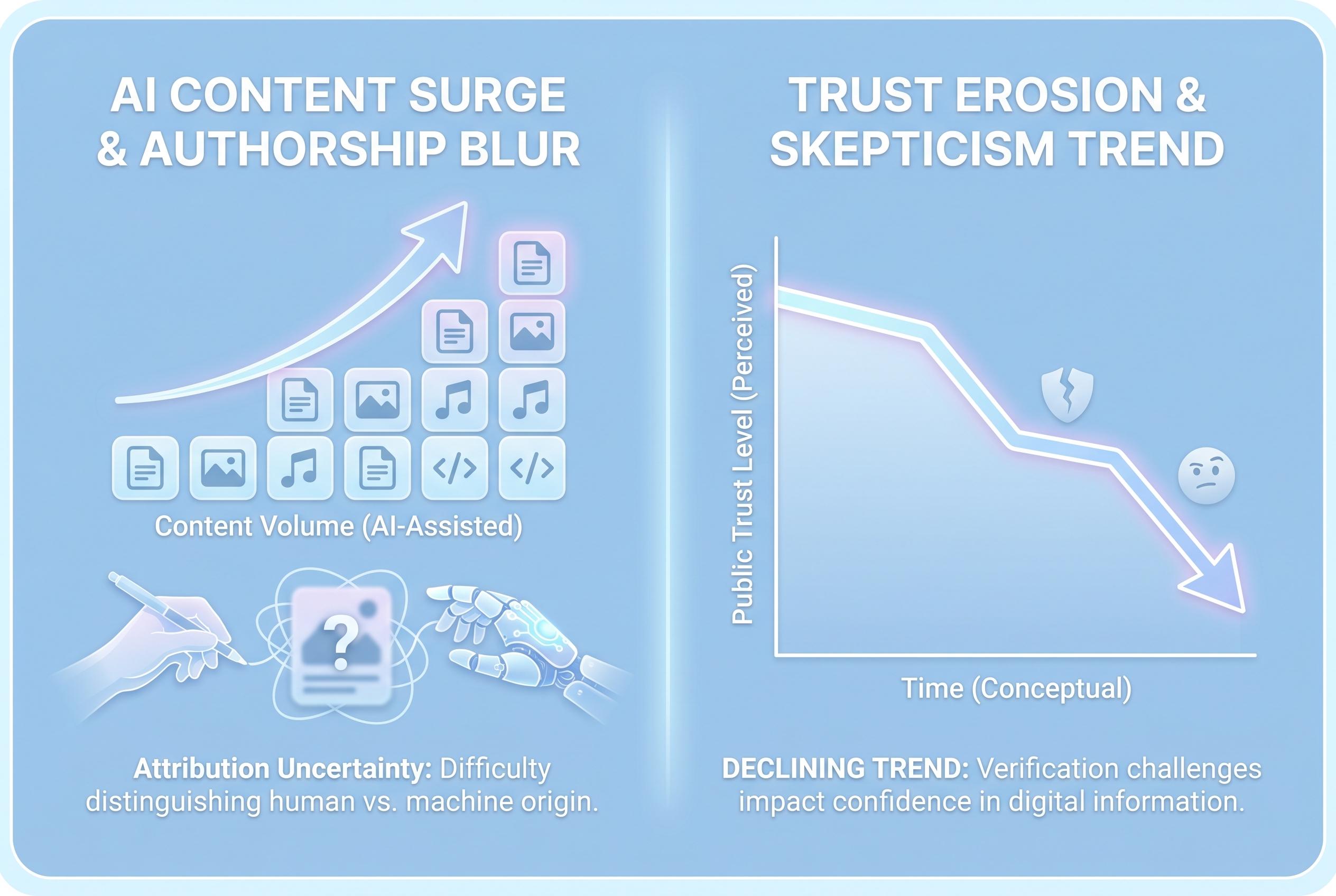
Hachette Book Group’s withdrawal of Mia Ballard’s novel ‘Shy Girl’ after suspicions of AI involvement has spotlighted the growing challenge of verifying authorship and maintaining trust in an era of rapidly advancing artificial intelligence.
The uproar around Mia Ballard’s horror novel “Shy Girl” has become a cautionary tale for publishers trying to police the use of generative AI. After online readers began questioning whether the book had been written with the help of machine-generated text, Hachette Book Group reviewed the title and pulled the planned US release, while also ending the UK edition, according to The Guardian and TechCrunch. Ballard has denied personally writing with AI, saying an acquaintance she hired as an editor inserted the material without her knowledge.
The fallout matters because the novel was not some obscure curiosity. It had first appeared as a self-published work in February 2025, and Hachette later acquired the rights, released it in Britain and prepared a US launch that was due this spring. Newser reported that the book had already sold 1,800 print copies in the UK before the publisher intervened. The speed of the reversal underlines how quickly a title can move from commercial prospect to liability once doubts emerge about authorship.
That is why the case has resonated well beyond one novel. In publishing, the pressure to move fast, chase online followings and sell through a short retail window can leave little room for close textual scrutiny. When a manuscript arrives with a ready-made audience, the temptation is to focus on marketability rather than forensic editing. The result, as this episode shows, is that even a major house can miss signs that a text has been heavily mediated by AI until readers spot them first.

The broader debate is no longer just about taste or style, but about proof, responsibility and contracts. Ballard has said she is considering legal action and that the dispute has harmed her reputation and mental health, while publishers are being forced to ask how they can distinguish human work from synthetic prose before a book reaches shelves. The challenge is sharpened by the fact that AI-assisted writing is improving quickly and can mimic ordinary narrative habits with growing confidence, making detection as much a matter of judgement as of software. For authors, editors and lawyers, the uncomfortable question is how a creative industry built on trust adapts when that trust can no longer be assumed.
Source Reference Map
Inspired by headline at: [1]
Sources by paragraph:
Source: Noah Wire Services
Noah Fact Check Pro
The draft above was created using the information available at the time the story first
emerged. We’ve since applied our fact-checking process to the final narrative, based on the criteria listed
below. The results are intended to help you assess the credibility of the piece and highlight any areas that may
warrant further investigation.
Freshness check
Score:
6
Notes:
The article was published on April 16, 2026, discussing the controversy surrounding Mia Ballard’s novel ‘Shy Girl’ and its alleged use of AI in its creation. The earliest known publication date of similar content is March 20, 2026, when The Guardian reported on Hachette’s withdrawal of the novel due to suspected AI involvement. The article appears to be original, but the topic has been covered extensively in recent weeks.
Quotes check
Score:
5
Notes:
The article includes direct quotes from Mia Ballard and other sources. However, these quotes are not independently verifiable through the provided sources. For instance, Ballard’s statement about pursuing legal action against the editor is mentioned but not directly quoted. The lack of direct quotes raises concerns about the accuracy and authenticity of the reported statements.
Source reliability
Score:
4
Notes:
The article is published on Libero Quotidiano, an Italian news outlet. While it references reputable sources like The Guardian and TechCrunch, the primary source is Libero Quotidiano, which may have limited reach and credibility in the English-speaking world. This raises concerns about the independence and reliability of the reporting.
Plausibility check
Score:
7
Notes:
The article discusses the challenges publishers face in detecting AI-generated content, using the ‘Shy Girl’ controversy as a case study. This aligns with recent industry concerns about AI’s impact on publishing. However, the article’s reliance on a single case study without broader evidence may limit the generalizability of its claims.
Overall assessment
Verdict (FAIL, OPEN, PASS): FAIL
Confidence (LOW, MEDIUM, HIGH): MEDIUM
Summary:
The article presents a timely discussion on the challenges publishers face with AI-generated content, using the ‘Shy Girl’ controversy as a focal point. However, the reliance on secondary sources, lack of independently verifiable quotes, and potential biases associated with the primary source raise significant concerns about the accuracy and reliability of the information presented. Given these issues, the content does not meet the necessary standards for publication.

