


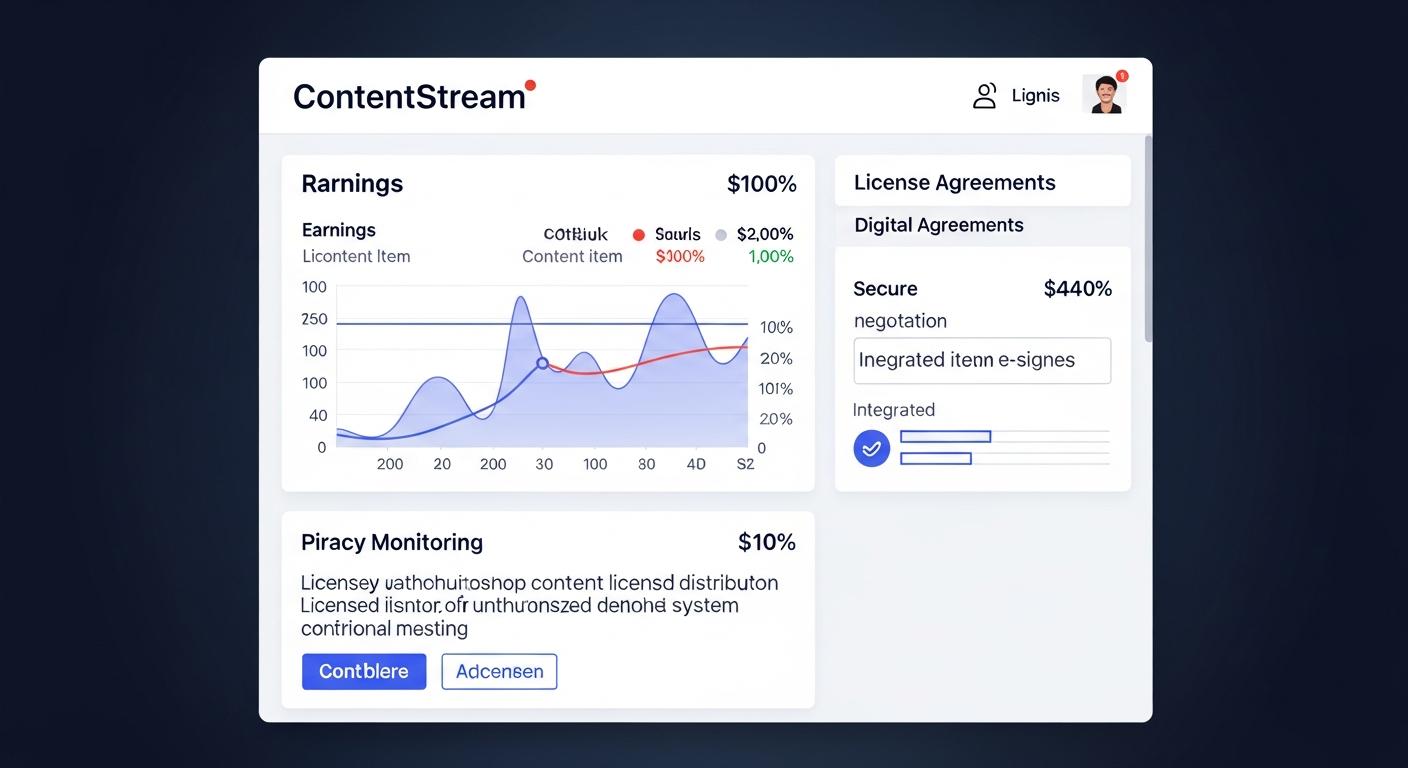
Emerging content marketplaces led by tech giants such as Microsoft and Amazon aim to redefine licensing and revenue models for publishers, but face hurdles from illicit scraping and regulatory scrutiny, signalling a potential overhaul of how professional content sustains itself in the AI era.
Content marketplaces for journalism and other professional content have surged into view as technology giants and specialist vendors promise publishers fresh revenue streams and a way to stop unlicensed scraping from eroding the news ecosystem. According to Digiday, a host of players from Tollbit, Dappier and Prorata.ai to Snowflake and Dow Jones’ Factiva are building marketplaces or tooling, and Microsoft and Amazon have both begun to shape platforms that would let publishers set licensing terms and let AI builders pay for rights-cleared access. Industry reporting describes these moves as as much about driving cloud usage as about journalism economics. According to Publishers Weekly, Microsoft’s Publisher Content Marketplace lets publishers define licences and usage parameters while offering usage-based reporting so creators can see how their material is being valued. (Inspired by the Digiday headline, February 26, 2026).
The commercial logic is straightforward: cloud providers have clear incentives to ensure AI systems can tap reliable, high-quality sources rather than depend on indiscriminate web crawling. A publishing executive told Digiday that “Google’s position looks like the exception now, and Amazon and Microsoft are saying ‘we see big business opportunity here for our cloud businesses,’” arguing the move is primarily a cloud‑adoption play. Publishers and platform builders are counting on those incentives to translate into steady, traceable payments, and Microsoft’s and Amazon’s marketplace designs emphasise transparent licensing and reporting to support that goal. Publishers Weekly reports the platforms are intended to give publishers a clearer economic framework for licensing their content.
Optimists point to the long arc of rights structuring in other content industries as a guide. “The pros outweigh the cons,” said Scott Messer, principal and founder of Messer Media, noting that marketplaces only become meaningful when they generate bona fide revenue; he compared the current upheaval to the music industry’s transition after Napster, when legal and commercial frameworks had to be rebuilt to sustain streaming. Industry initiatives aimed at common metadata, reporting and permission standards are now gathering momentum; Digiday notes a coalition of major U.K. outlets announced plans on Feb. 26 to align approaches to how AI companies licence and use journalism, and trade bodies such as the IAB Tech Lab are advancing technical protocols to make licensing machine‑actionable. Publishers Weekly also highlights how usage reporting is central to persuading rights‑holders that marketplaces can be more than experiments.

Sceptics, however, underline a stark market problem: a thriving informal supply chain of illicit scrapers presents a low‑cost alternative to formal licencing, and that de facto “black market” undercuts incentives for buyers to pay. Alan Chapell, a privacy attorney, warns bluntly that “I think the issue is that right now, the black market is the marketplace,” and industry data repeatedly shows automated scraping services proliferating across the web. Even if high‑quality marketplaces exist, they will struggle to compete while scraping remains inexpensive and largely consequence‑free. Publishers such as Messer have publicly argued that without direct procurement from publishers, models are effectively funding intermediaries that extract value from journalism.
The role of dominant intermediaries complicates the outlook further. Google continues to defend expansive fair‑use reasoning for training and for AI features built into search, and regulators in the U.K. and EU are scrutinising how the company sources and displays publisher content in AI summaries. Digiday reported that the U.K. Competition and Markets Authority and the European Commission have opened probes, and critics caution that unilateral fixes by large platforms will slow the emergence of a marketplace ecosystem unless regulators force structural change. At the same time, Publishers Weekly’s coverage of the major cloud players shows Microsoft and Amazon actively building transactional plumbing that could operate whether or not every major traffic gatekeeper signs up.
The practical test for content marketplaces will be demand: whether AI builders and the downstream customers who benefit from higher‑quality outputs are prepared to pay enough to shift publishers’ revenue trajectories. Marketplaces promise more visible attribution, transaction reporting and a route to monetise editorial investment, but they must contend with entrenched scraping, regulatory ambiguity and the uneven distribution of bargaining power across platforms, buyers and publishers. If standards, enforcement and buyer willingness align, marketplaces could remake how professional content funds itself; if not, they risk becoming another supply‑heavy experiment that leaves the industry still searching for a sustainable model.
Source Reference Map
Inspired by headline at: [1]
Sources by paragraph:
Source: Noah Wire Services
Noah Fact Check Pro
The draft above was created using the information available at the time the story first
emerged. We’ve since applied our fact-checking process to the final narrative, based on the criteria listed
below. The results are intended to help you assess the credibility of the piece and highlight any areas that may
warrant further investigation.
Freshness check
Score:
8
Notes:
The article was published on February 27, 2026, which is recent. However, the content discusses developments from February 10, 2026, and May 2025, indicating that some information may be recycled. ([publishersweekly.com](https://www.publishersweekly.com/pw/by-topic/digital/content-and-e-books/article/99670-microsoft-amazon-plan-ai-content-marketplaces.html?utm_source=openai))
Quotes check
Score:
7
Notes:
The article includes direct quotes from industry executives and reports from reputable sources. However, without access to the original sources, it’s challenging to verify the accuracy and context of these quotes.
Source reliability
Score:
8
Notes:
The article references reputable sources such as Publishers Weekly and Digiday. However, the reliance on a single source for some information raises concerns about the diversity and independence of the sources.
Plausibility check
Score:
7
Notes:
The claims about Microsoft’s and Amazon’s plans for AI content marketplaces align with known industry trends. However, the article lacks specific details and supporting evidence for some claims, making it difficult to fully assess their plausibility.
Overall assessment
Verdict (FAIL, OPEN, PASS): FAIL
Confidence (LOW, MEDIUM, HIGH): MEDIUM
Summary:
The article presents information on publisher content marketplaces, referencing developments from February 2026 and May 2025. While it cites reputable sources, the heavy reliance on a single source for some information, the lack of independent verification, and the inclusion of opinion-based statements without clear separation from factual reporting raise significant concerns about its reliability and objectivity. ([publishersweekly.com](https://www.publishersweekly.com/pw/by-topic/digital/content-and-e-books/article/99670-microsoft-amazon-plan-ai-content-marketplaces.html?utm_source=openai))

