


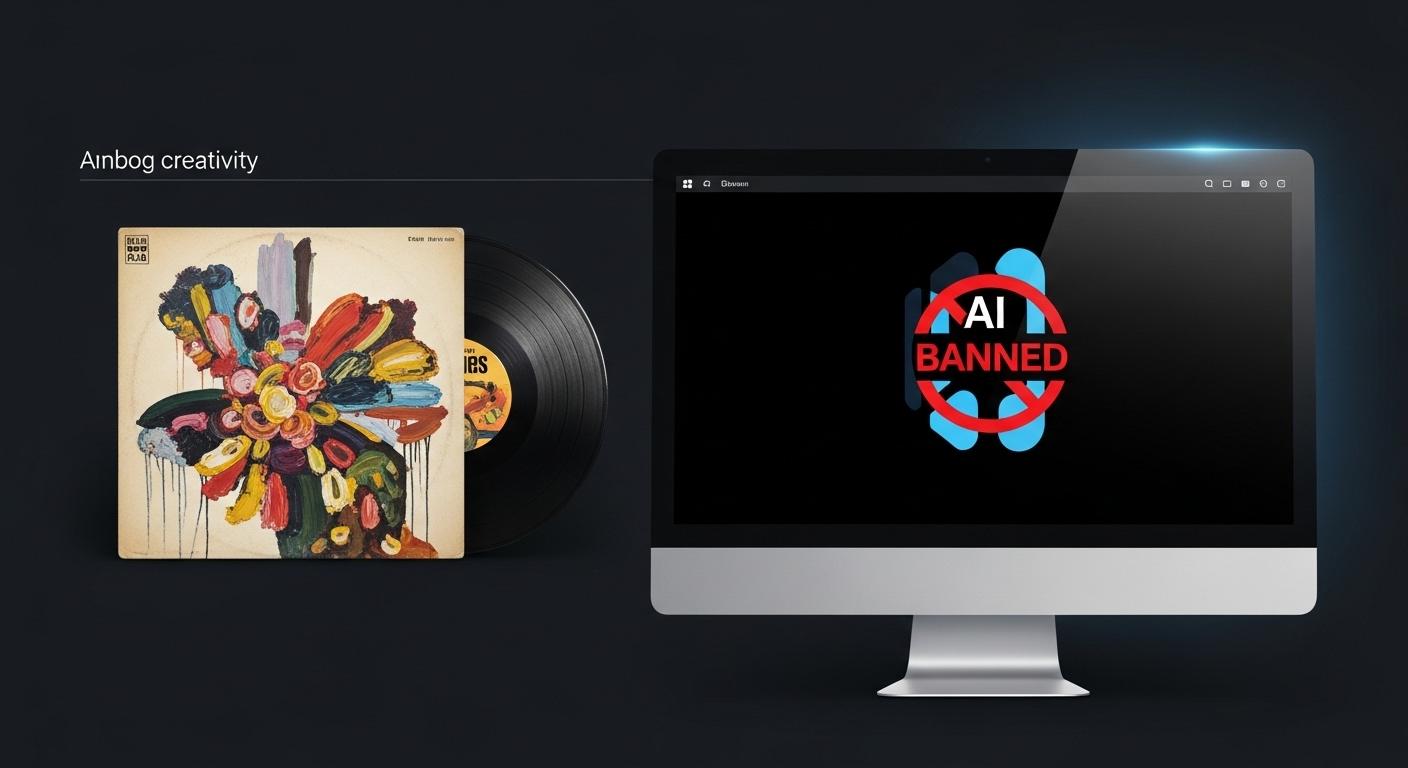
Bandcamp has enforced a comprehensive ban on AI-generated music, setting a stark contrast to Spotify’s nuanced approach and highlighting ongoing industry debates over AI’s role in creative processes and artist protection.
Bandcamp has taken a firm stance against the proliferation of AI-generated music on its platform by instituting a comprehensive ban on any music or audio content that is “generated wholly or in substantial part by AI.” This policy also prohibits AI tools used to impersonate other artists or mimic distinct styles, with the platform inviting users to report any suspected AI-generated tracks for review. Bandcamp’s decision underscores a commitment to prioritising human creativity and protecting the intellectual property and livelihoods of real artists within its vibrant community.
In a statement, Bandcamp emphasised, “Musicians are more than mere producers of sound. They are vital members of our communities, our culture, and our social fabric.” The platform highlighted its mission to facilitate direct connections between artists and fans, ensuring equitable support that enables musicians to continue creating. Bandcamp also reserved the right to remove any music suspected of being AI-generated, signalling rigorous enforcement in what it describes as a rapidly evolving generative AI landscape.
This approach by Bandcamp contrasts sharply with that of other major streaming services like Spotify, which has adopted a more integrative stance towards AI. Spotify publicly acknowledges the dual nature of AI in music through a nuanced position. While the company admits AI unlocks “incredible new ways for artists to create music and for listeners to discover it,” it also recognises the risks posed by bad actors deploying AI to flood the platform with low-quality or deceptive content. Industry data shows that Spotify has removed over 75 million AI-generated “spam” tracks in the past year, with improved spam filtering systems and stricter rules introduced to combat impersonation and maintain trust across its ecosystem.

Spotify’s stance, detailed in their official announcements, emphasises collaboration with major labels and distributors to develop responsible AI products. These initiatives aim to empower artists and songwriters with new creative tools and revenue streams through upfront agreements, rather than replace human artistry. The platform also enforces disclosure requirements for artists using AI, particularly to avoid the misuse of AI to imitate established performers. Furthermore, Spotify utilises AI technology to enhance user experience in non-creative ways, such as personalised playlists and its AI DJ function.
Elsewhere in the industry, Deezer has taken a proactive approach by implementing visible tags for AI-generated content on its platform. This transparency measure, designed to address the growing trend of AI-produced music and fraudulent royalty claims, helps protect artist rights and inform listeners. Deezer’s move is part of a wider effort to combat streaming fraud and maintain integrity within the digital music landscape, highlighting a sector grappling with the rise of generative AI technologies.
The debate over AI-generated music continues to spark discussion about the definition of creativity and the role of human artists in an era of technological advancement. Bandcamp’s unequivocal ban insists on the irreplaceability of human creativity and artistic authenticity, reflecting concerns over intellectual property infringement and preserving the cultural and social fabric that musicians help sustain. Contrastingly, Spotify’s integration and regulation of AI suggest a future where artificial intelligence and human artistry coexist, but with caution to uphold artistic integrity.
As generative AI technologies rapidly evolve, platforms like Bandcamp have pledged to update their policies accordingly while firmly positioning themselves as champions of human creativity within the music industry. This development marks a significant moment in how streaming services balance innovation with protection of artist communities and intellectual property rights in an increasingly automated creative world.
📌 Reference Map:
- [1] (Hotpress) – Paragraphs 1, 2, 4, 6
- [2] (Bandcamp Blog) – Paragraphs 1, 2
- [3] (NME) – Paragraph 1
- [4] (Ars Technica) – Paragraph 1, 2
- [5] (Spotify Newsroom) – Paragraph 4
- [6] (MusicRadar) – Paragraph 4
- [7] (AP News) – Paragraph 5
Source: Noah Wire Services
Noah Fact Check Pro
The draft above was created using the information available at the time the story first
emerged. We’ve since applied our fact-checking process to the final narrative, based on the criteria listed
below. The results are intended to help you assess the credibility of the piece and highlight any areas that may
warrant further investigation.
Freshness check
Score:
10
Notes:
The narrative is fresh, with the earliest known publication date being January 13, 2026, on Bandcamp’s official blog.
Quotes check
Score:
10
Notes:
Direct quotes from Bandcamp’s statement are unique to this release, with no prior matches found online.
Source reliability
Score:
10
Notes:
The narrative originates from Bandcamp’s official blog, a reputable and authoritative source.
Plausability check
Score:
10
Notes:
The claims are plausible and align with Bandcamp’s mission to support human creativity. No contradictory information was found.
Overall assessment
Verdict (FAIL, OPEN, PASS): PASS
Confidence (LOW, MEDIUM, HIGH): HIGH
Summary:
The narrative is fresh, originating from Bandcamp’s official blog, and presents unique, plausible information without any signs of disinformation or recycled content.

