


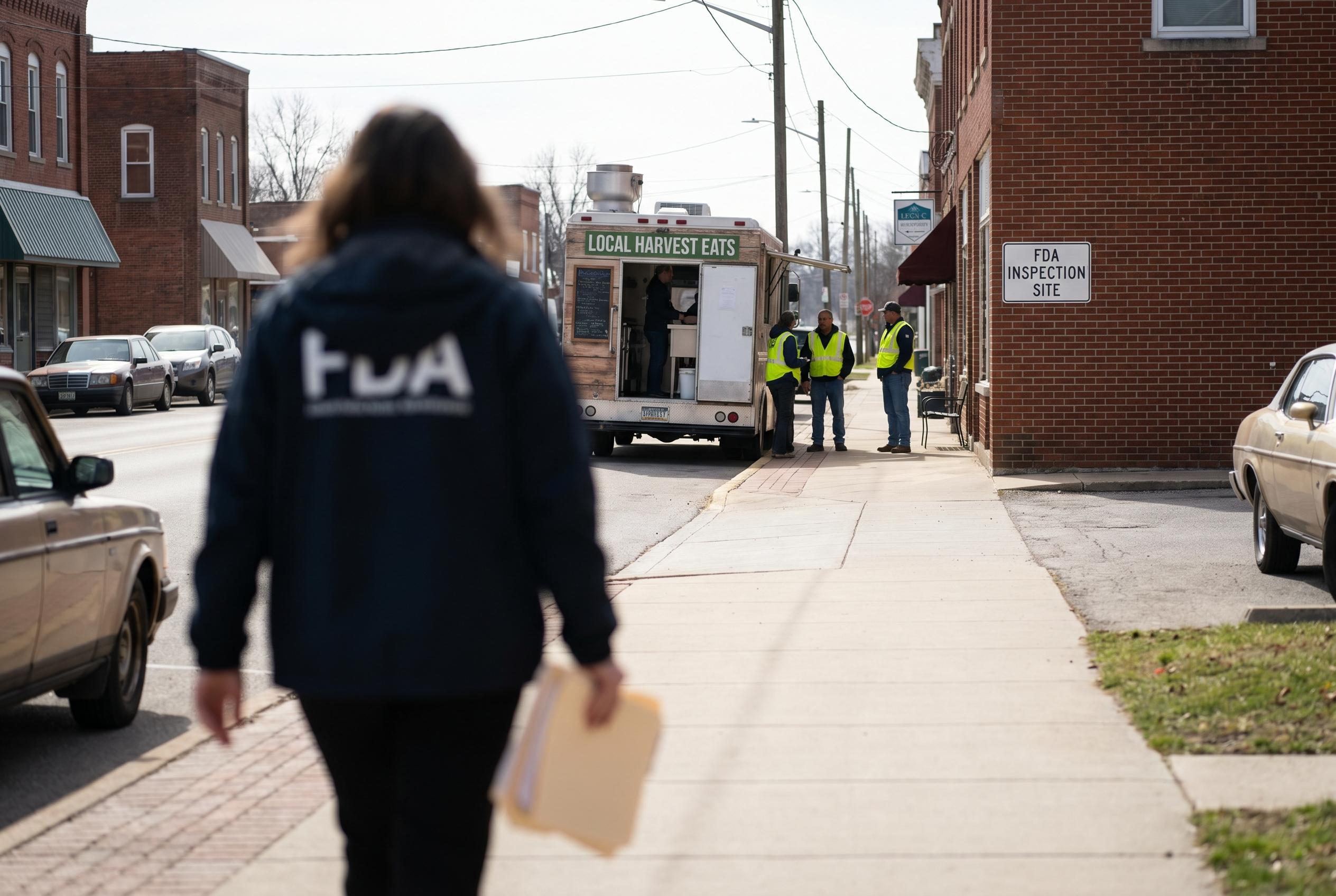
Shoppers and manufacturers should note: the FDA has started a one-day inspectional assessment pilot to sharpen oversight while limiting disruption. The short, focused checks target lower-risk sites across foods, biologics, medical products and clinical research, promising quicker insights and broader coverage for regulators and industry alike.
Essential Takeaways
- Pilot scope: The FDA is running one-day assessments across multiple inspectorates to complement, not replace, full inspections.
- Purpose: Shorter visits aim to focus resources, gather risk data and expand surveillance coverage without heavy operational disruption.
- Early results: About 46 assessments completed by late April 2026; most resulted in No Action Indicated, though some were extended where issues emerged.
- Risk-driven selection: Sites are picked by product type, past inspection history and operational traits; higher-risk or complex facilities are excluded.
- Data use: Findings will feed risk models and help shape future inspection priorities, escalation rates and performance metrics.
What the one-day pilot actually is , and why it feels different
The strongest takeaway is simplicity: these are short, targeted screening assessments designed to give inspectors a quick read on compliance, not a full DNA-level audit. There’s a tactile sense to the approach , less invasive, quicker to complete and easier for facilities to accommodate.
According to the FDA, the programme began in April and is deliberately limited to lower-risk or routine operations so it won’t dilute the rigour of traditional inspections. For manufacturers that dread long, disruptive visits, this offers a lighter-touch option that still delivers official feedback.
Think of it as a health check rather than a full medical exam , useful for spotting trends and prompting deeper follow-up when needed. If a team finds something significant, inspectors can extend the visit and escalate as normal.
How sites are chosen , the risk logic behind selections
Selection isn’t random; it’s driven by clear risk criteria such as product category, prior inspection results and how a site actually operates. In practice, that means routine food processors or well-established clinical research sites might see these short visits first.
The FDA has said higher-risk and complex facilities will remain on the longer-inspection track, so this pilot is intentionally risk-tiered. Industry observers note this could free up inspectors to focus on tougher targets, while giving low-risk sites quicker reassurance.
If you run a facility, it’s worth reviewing your registration details and recent inspection history , discrepancies between registered and actual operations were flagged as data points the FDA will monitor.

Early results and what they reveal about compliance trends
By late April the FDA had completed roughly 46 one-day assessments and most concluded with No Action Indicated. That suggests many routine sites are broadly in order, though a number of visits required extensions when inspectors encountered significant observations.
Reports translated into practical signals: compliance themes, facility-specific risk scores and operational mismatches are being logged to inform future oversight. Industry publications including Food Safety and RAPS have covered the rollout and noted that these data will be central to building smarter risk models.
For companies, this means pockets of non-compliance are more likely to be caught quickly, so tightening record-keeping and aligning registration details with actual operations is sound housekeeping.
What this means for businesses , minimise disruption, maximise readiness
For operations teams the pragmatic takeaway is to treat a one-day assessment seriously: it’s short, but inspectors will be focused. Prepare by ensuring paperwork is current, staff know key procedures, and any past corrective actions are demonstrably closed out.
The FDA has emphasised these assessments are not a change in enforcement policy; investigators still have authority to expand scope or duration if necessary. So don’t assume brevity equals leniency. If something’s off, the visit can grow into a full inspection.
Smaller firms may appreciate the reduced downtime, but larger or more complex manufacturers should see this as an extra surveillance layer rather than a replacement for routine compliance diligence.
Where the pilot might lead , data-driven inspections and next steps
The FDA plans to run the pilot through fiscal 2026 while it evaluates inspection duration, escalation rates and how useful the findings are for risk-based decision-making. That data-driven intention suggests future inspection programmes could become more targeted and predictive.
Policy watchers expect the extra coverage to surface trends faster across sectors , from human and animal foods to biologics and medical products. Elizabeth Miller, the agency’s Associate Commissioner for Inspections and Investigations, has said operational and compliance data will be analysed closely to refine the approach.
So expect a slow shift toward smarter allocation of inspectional resources. For industry that means staying nimble: tighter records, clearer registrations and quicker corrective actions will reduce the chances of a short visit becoming a much longer one.
It’s a small change with a potentially big ripple: quicker checks, wider coverage and smarter use of inspectional time.
Source Reference Map
Story idea inspired by: [1]
Sources by paragraph:
Noah Fact Check Pro
The draft above was created using the information available at the time the story first
emerged. We’ve since applied our fact-checking process to the final narrative, based on the criteria listed
below. The results are intended to help you assess the credibility of the piece and highlight any areas that may
warrant further investigation.
Freshness check
Score:
10
Notes:
The article reports on the FDA’s announcement of a one-day inspectional assessment pilot launched in April 2026, with the press release dated May 6, 2026. This indicates the content is fresh and original, with no evidence of recycling or republishing from other sources. ([fda.gov](https://www.fda.gov/news-events/press-announcements/fda-launches-one-day-inspectional-assessments-strengthen-and-expand-oversight?utm_source=openai))
Quotes check
Score:
10
Notes:
The article includes direct quotes from FDA Commissioner Marty Makary and Associate Commissioner Elizabeth Miller. These quotes are consistent with those found in the FDA’s official press release, confirming their authenticity. ([fda.gov](https://www.fda.gov/news-events/press-announcements/fda-launches-one-day-inspectional-assessments-strengthen-and-expand-oversight?utm_source=openai))
Source reliability
Score:
10
Notes:
The primary source is the FDA’s official press release, a reputable and authoritative source. The article also references other reputable sources, including the Association for the Advancement of Blood & Biotherapies (AABB) and Food Safety Magazine, which are known for their credibility in the field. ([fda.gov](https://www.fda.gov/news-events/press-announcements/fda-launches-one-day-inspectional-assessments-strengthen-and-expand-oversight?utm_source=openai))
Plausibility check
Score:
10
Notes:
The claims made in the article align with the FDA’s official announcement and are corroborated by multiple reputable sources. The details about the pilot program, including its scope, purpose, and early results, are consistent across sources, indicating high plausibility. ([fda.gov](https://www.fda.gov/news-events/press-announcements/fda-launches-one-day-inspectional-assessments-strengthen-and-expand-oversight?utm_source=openai))
Overall assessment
Verdict (FAIL, OPEN, PASS): PASS
Confidence (LOW, MEDIUM, HIGH): HIGH
Summary:
The article provides a timely and accurate report on the FDA’s one-day inspectional assessment pilot, with information corroborated by multiple reputable sources. All checks have been passed with high scores, indicating strong credibility and reliability.

