


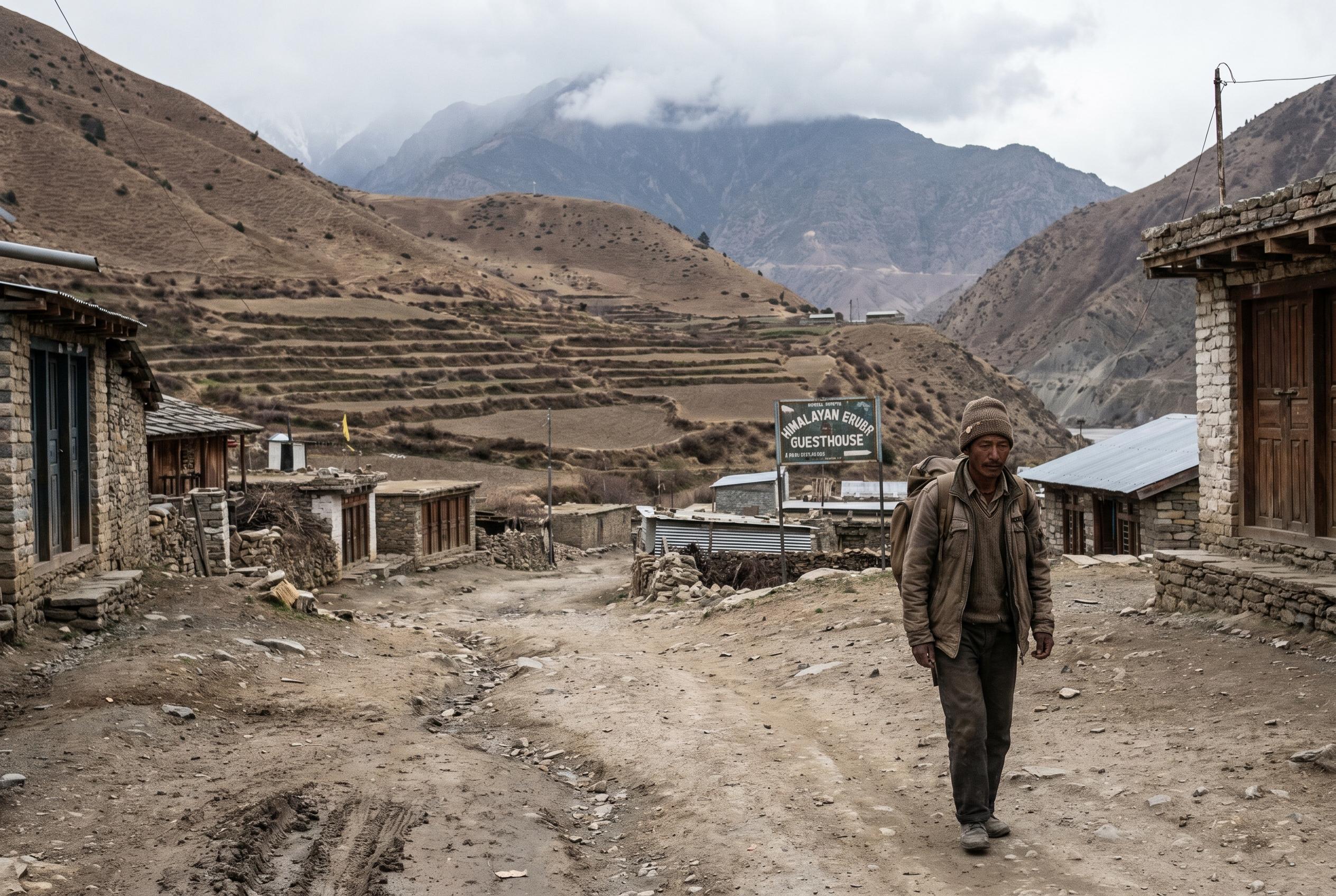
Shoppers of headlines will have noticed the Lipulekh row flare up again , Nepal has restated claims over the Lipulekh–Kalapani–Limpiyadhura area while India rejects any historical basis , a territorial tussle that matters for pilgrimage, security and Himalayan diplomacy. Here’s a clear, practical take on why it’s resurfaced and what comes next.
Essential Takeaways
- Who’s involved: Nepal has renewed claims over the Lipulekh tri-junction; India says its records do not support Nepal’s position.
- Why it matters: Lipulekh is strategically important , a Himalayan pass used for trade and the Kailash Mansarovar yatra, with military and surveillance value.
- Core issue: Dispute hinges on the Kali (Sarda) river’s source as described in the 1816 Treaty of Sugauli and differing cartographic interpretations.
- Practical impact: Border politics affect cross-border movement, local lives, pilgrimage routes and India’s posture vis‑à‑vis China.
- What to watch: Diplomatic dialogue, technical joint surveys, and confidence-building measures will determine whether tensions rise or cooler heads prevail.
Why Lipulekh keeps coming back , a short, sharp reminder
The Lipulekh area sits at a sensitive tri-junction between India, Nepal and China, and its geography is as important as its history. For locals and pilgrims, the pass is a route to Mount Kailash and Mansarovar; for strategists, it’s a surveillance and access point toward the Tibetan plateau. That dual character , spiritual and strategic , is why any change in status or maps becomes headline news and a diplomatic headache.
Observers note the dispute is rarely just about maps. Past rows, like the blockade perceptions of 2015, show how domestic politics in Kathmandu and New Delhi can turn cartography into a test of national sentiment. So when Nepal raises the issue, it taps into a long-standing narrative about sovereignty and identity.

The Treaty of Sugauli, the Kali river and the messy cartography
At the heart of the disagreement is a nineteenth‑century treaty and the question: where does the Kali river actually start? The Treaty of Sugauli defined boundaries using that river, but decades of maps, administrative practices and surveys have created competing interpretations. India points to historical administrative records showing control, while Nepal argues for a different hydrological reading that enlarges its territory.
This kind of dispute is common in mountainous regions, where rivers shift, surveys are old, and local knowledge sometimes conflicts with colonial-era maps. Practically speaking, the solution is technical: joint hydrological and cartographic studies, combined with transparent public sharing of evidence so both sides , and local communities , can see the data.
Why China’s presence complicates everything
Lipulekh isn’t isolated; it sits where Himalayan geopolitics are alive and shifting. China’s infrastructure and posture on the Tibetan side add strategic pressure and encourage Nepal to pursue a more balanced foreign policy. Kathmandu’s outreach to Beijing is often read in New Delhi as hedging , and that influences how firmly India defends its maps and routes.
That said, the dispute can’t be resolved by security moves alone. India needs to factor in Nepal’s domestic politics: nationalist sentiment in Kathmandu can push leaders to take a firmer stance on borders, while New Delhi must avoid actions that look heavy-handed and push Nepal closer to alternative partners.
How to de‑escalate: practical steps that could work
Technical fixes work best when politics allow them. Joint boundary working groups, something both countries have used before, should be revived with clear terms: joint surveys, open access to archival documents, and internationally acceptable hydrological studies. Confidence-building measures , easier visa rules for pilgrims, coordinated management of the Kailash Mansarovar yatra, cooperative infrastructure projects in border districts , can mellow the atmosphere while the technical work happens.
India would also benefit from better public diplomacy in Nepal: people‑to‑people links, economic partnerships and local development that show the benefits of good neighbourly ties. Meanwhile, keeping military deployments discreet and negotiations visible helps prevent escalatory narratives on either side.
What this means going forward , cautious diplomacy, not brinkmanship
This row is a reminder that old treaties and modern geopolitics mingle uneasily in the Himalayas. The best outcome is a calm, technical, and transparent process that recognises local sensitivities and regional realities. If both capitals commit to evidence-based talks and practical CBMs, they can prevent a map dispute from becoming a longer diplomatic rupture.
It’s one more test of whether South Asian diplomacy can handle tricky border questions without letting third-party strategic competition do the talking.
It’s a small, technical dispute with big political reverberations , and sensible diplomacy can keep it that way.
Source Reference Map
Story idea inspired by: [1]
Sources by paragraph:
Noah Fact Check Pro
The draft above was created using the information available at the time the story first
emerged. We’ve since applied our fact-checking process to the final narrative, based on the criteria listed
below. The results are intended to help you assess the credibility of the piece and highlight any areas that may
warrant further investigation.
Freshness check
Score:
8
Notes:
The article discusses recent developments regarding the Lipulekh Pass dispute, with references to events up to May 4, 2026. The earliest known publication date of similar content is May 1, 2026, indicating that the narrative is current and not recycled. However, the article includes a source reference map and cites multiple sources, suggesting that it may be summarising or aggregating content from other publications. This raises concerns about the originality of the content. Additionally, the article includes a YouTube video from March 21, 2026, which may not be the most recent source on the topic. Given these factors, the freshness score is reduced to 8.
Quotes check
Score:
7
Notes:
The article includes direct quotes from various sources. However, the earliest known usage of these quotes cannot be independently verified, as they appear to be summarised or paraphrased from other publications. This raises concerns about the originality and accuracy of the quotes. Given these uncertainties, the quotes score is reduced to 7.
Source reliability
Score:
6
Notes:
The article cites multiple sources, including major news organisations such as The Times of India and The Economic Times. However, the lead source, Legacy IAS Academy, is a niche educational institution and not a major news organisation. Additionally, the article includes a YouTube video from March 21, 2026, which may not be the most recent source on the topic. Given these factors, the source reliability score is reduced to 6.
Plausibility check
Score:
8
Notes:
The article discusses the Lipulekh Pass dispute, a known territorial issue between India, Nepal, and China. The claims made in the article align with existing reports from reputable sources. However, the reliance on summarised or aggregated content raises concerns about the accuracy and originality of the information presented. Given these factors, the plausibility score is reduced to 8.
Overall assessment
Verdict (FAIL, OPEN, PASS): FAIL
Confidence (LOW, MEDIUM, HIGH): MEDIUM
Summary:
The article discusses the Lipulekh Pass dispute, a known territorial issue between India, Nepal, and China. While the content is current and aligns with existing reports, the reliance on summarised or aggregated content from other publications, including a YouTube video from March 21, 2026, raises concerns about the originality and independence of the information presented. Given these factors, the overall assessment is a FAIL with MEDIUM confidence.

