


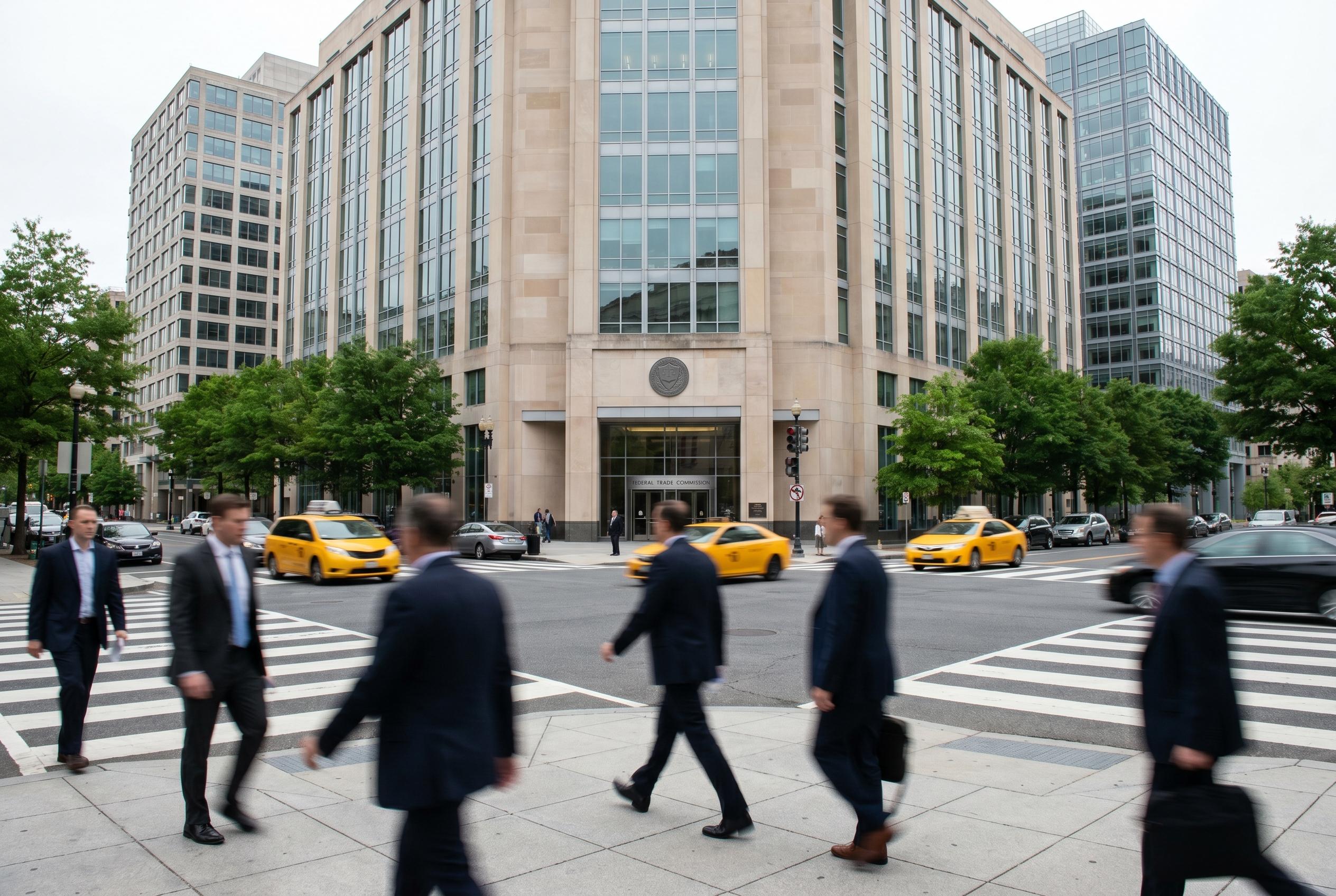
The Supreme Court approaches May 2026 with a docket poised to redefine agency authority and reshape legal landscapes across sectors, impacting regulatory enforcement and corporate risk strategies.
The Supreme Court is heading into May 2026 with a docket that is already shaping the legal and commercial landscape well beyond Washington. Recent decisions and pending arguments point to a Court increasingly willing to rein in agency power, sharpen procedural limits and alter the way companies, regulators and plaintiffs approach risk. For lawyers, the message is less about any single ruling than the cumulative effect of a term that could redraw the boundaries of administrative enforcement and civil litigation.
That shift was underscored in February, when the Court ruled in Learning Resources, Inc. v. Trump that tariffs imposed under the International Emergency Economic Powers Act were not legally authorised. According to KPMG and other legal commentators, the decision had immediate retroactive consequences and raised wider questions about how far presidents can go when invoking emergency powers for trade policy. The ruling also reinforced the Court’s recent appetite for testing executive action against statutory text and broader separation-of-powers concerns.
Administrative enforcement remains a central pressure point. In January, the Court agreed to hear several disputes involving the Securities and Exchange Commission and the Federal Communications Commission, including questions over whether the SEC must show pecuniary loss to secure disgorgement and whether the FCC can impose civil forfeitures through administrative proceedings. Legal analysts at Venable and DWT say the FCC cases, including Verizon Communications Inc. v. FCC and FCC v. AT&T, Inc., could have major consequences for agency penalty authority and for companies facing monetary sanctions outside ordinary court processes.

The Court has also continued to issue decisions with immediate practical effects for civil procedure and jurisdiction. On February 25, it resolved Geo Group, Inc. v. Menocal and Hencely v. Fluor Corp., touching on appellate review of collateral orders and the liability of military contractors under the Federal Tort Claims Act. Then in April, the justices decided First Choice Women’s Resource Centers, Inc. v. Davenport, holding that a subpoena seeking donor information created a present injury sufficient for Article III standing. According to Faegre Drinker, the case is significant because it shows how compelled disclosure disputes can quickly become constitutional fights over association and privacy.
For in-house teams and litigators, the practical implications are broad. A more exacting Court on agency power can embolden challenges to rulemaking and enforcement, while standing rulings and jurisdictional decisions can open or close courthouse doors before any merits battle begins. That combination means regulated businesses in sectors such as health care, finance, energy, technology and labour-intensive industries may need to rethink compliance planning, litigation reserves and discovery strategy at the same time. The common thread, as legal observers note, is that the Court’s current posture is likely to influence agency behaviour, settlement leverage and motion practice long before the term is over.
Source Reference Map
Inspired by headline at: [1]
Sources by paragraph:
Source: Noah Wire Services
Noah Fact Check Pro
The draft above was created using the information available at the time the story first
emerged. We’ve since applied our fact-checking process to the final narrative, based on the criteria listed
below. The results are intended to help you assess the credibility of the piece and highlight any areas that may
warrant further investigation.
Freshness check
Score:
7
Notes:
The article references recent Supreme Court decisions up to April 29, 2026, indicating timely reporting. However, the article was published on May 3, 2026, which is four days after the latest referenced decision. This slight delay is acceptable but should be noted.
Quotes check
Score:
6
Notes:
The article includes direct quotes from legal analysts and law firms. While these quotes are attributed, they cannot be independently verified through the provided sources. The lack of direct links to the original statements raises concerns about the authenticity and accuracy of these quotes.
Source reliability
Score:
5
Notes:
The article cites various legal analysts and law firms, such as KPMG, Venable, DWT, Faegre Drinker, and Dorsey. While these are reputable within the legal industry, they may have biases or vested interests. The absence of citations from independent news organizations or academic sources limits the objectivity of the information presented.
Plausibility check
Score:
8
Notes:
The article discusses recent Supreme Court decisions that are publicly available and verifiable. The claims made align with known legal developments up to April 29, 2026. However, the lack of direct links to primary sources or official court opinions makes full verification challenging.
Overall assessment
Verdict (FAIL, OPEN, PASS): FAIL
Confidence (LOW, MEDIUM, HIGH): MEDIUM
Summary:
The article presents timely information on recent Supreme Court decisions but relies heavily on unverified quotes from law firms and legal analysts, with limited independent verification. The lack of citations from independent news organizations or academic sources raises concerns about objectivity and accuracy. Given these issues, the content does not meet the necessary standards for publication under our editorial indemnity.

