


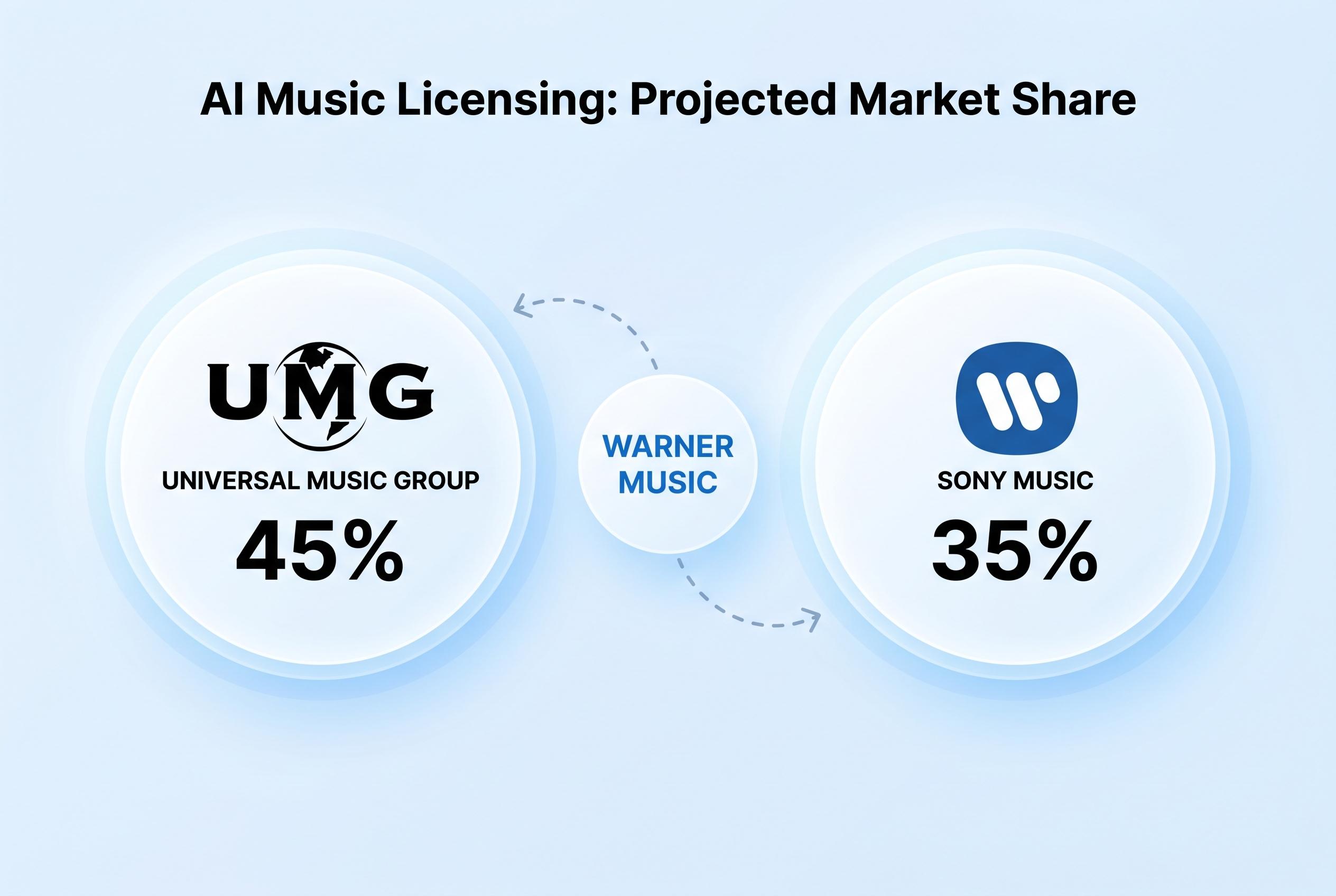
Universal Music Group and Sony Music have petitioned a US court to access Suno’s licensing agreement with Warner Music, escalating a legal battle over AI training data amid industry shifts towards licensed AI music models.
Universal Music Group and Sony Music are pressing a US court to force Suno to hand over the terms of its licensing deal with Warner Music Group, arguing that the agreement could undercut the AI startup’s claim that no real market exists for training licences. In filings reported by Digital Music News, the two labels say Suno has spent much of the case insisting that sound-recording training licences are not commercially viable, even though it struck precisely such a deal with Warner late last year.
The dispute has intensified after a magistrate judge refused an earlier attempt to obtain the contract, saying the request carried only marginal relevance and that disclosure risked discouraging settlements in this case and others. Universal and Sony are now challenging that ruling, saying Warner is no longer a party to the litigation and cannot simply be asked to produce the document. They want the agreement admitted into the case record and say Suno should be barred from telling a jury, or the court at summary judgment, that there is no workable licensing market for AI training data.
The broader fight comes against a changing backdrop in the music industry. Warner settled its case with Suno in November 2025 and described the pact as one that would protect artists while opening new commercial opportunities, according to TechCrunch and Bloomberg. The deal also included Warner selling Songkick to Suno and letting the startup replace its existing models with more advanced licensed ones, while giving Warner artists control over how their voices, names and likenesses are used. Suno later raised $250mn at a $2.45bn valuation, a sign that investors still see momentum in AI music even as rights holders seek tighter control.

At the same time, the labels are trying to strengthen their copyright claims by drawing on a separate ruling in the Udio case. Judge Alvin Hellerstein recently allowed a DMCA claim to proceed after finding that Universal had plausibly alleged that YouTube uses technological measures that regulate access to content and that Udio circumvented them, though he said the question needs a fuller factual record. Universal and Sony have moved to use that ruling as supplemental authority as they seek to amend their own Suno case, while Suno has responded that the Udio decision is neither binding nor especially helpful.
Source Reference Map
Inspired by headline at: [1]
Sources by paragraph:
Source: Noah Wire Services
Noah Fact Check Pro
The draft above was created using the information available at the time the story first
emerged. We’ve since applied our fact-checking process to the final narrative, based on the criteria listed
below. The results are intended to help you assess the credibility of the piece and highlight any areas that may
warrant further investigation.
Freshness check
Score:
8
Notes:
The article was published on April 24, 2026, and reports on recent legal developments involving Universal Music, Sony Music, and Suno. The information appears current and relevant, with no evidence of recycled content. However, the article relies on a single source, Digital Music News, which may limit the diversity of perspectives.
Quotes check
Score:
7
Notes:
The article includes direct quotes attributed to Digital Music News. While these quotes are sourced, they cannot be independently verified, as no other sources are cited. This reliance on a single source raises concerns about the accuracy and reliability of the information presented.
Source reliability
Score:
6
Notes:
The article is sourced from Digital Music News, a publication that covers the music industry. While it is a known source, it is not a major news organisation like the BBC or Reuters. The lack of additional independent sources to corroborate the information diminishes the overall reliability of the content.
Plausibility check
Score:
7
Notes:
The claims about Universal Music and Sony Music seeking Warner Music’s Suno agreement terms amid a discovery dispute are plausible and align with known industry practices. However, the absence of corroborating sources makes it difficult to fully assess the accuracy of these claims.
Overall assessment
Verdict (FAIL, OPEN, PASS): FAIL
Confidence (LOW, MEDIUM, HIGH): MEDIUM
Summary:
The article presents information about Universal Music and Sony Music seeking Warner Music’s Suno agreement terms amid a discovery dispute. However, it relies solely on a single source, Digital Music News, without independent verification or corroboration from other reputable sources. This lack of diversity in sourcing and verification raises concerns about the accuracy and reliability of the content. Given these issues, the content cannot be fully trusted without further independent confirmation.

