


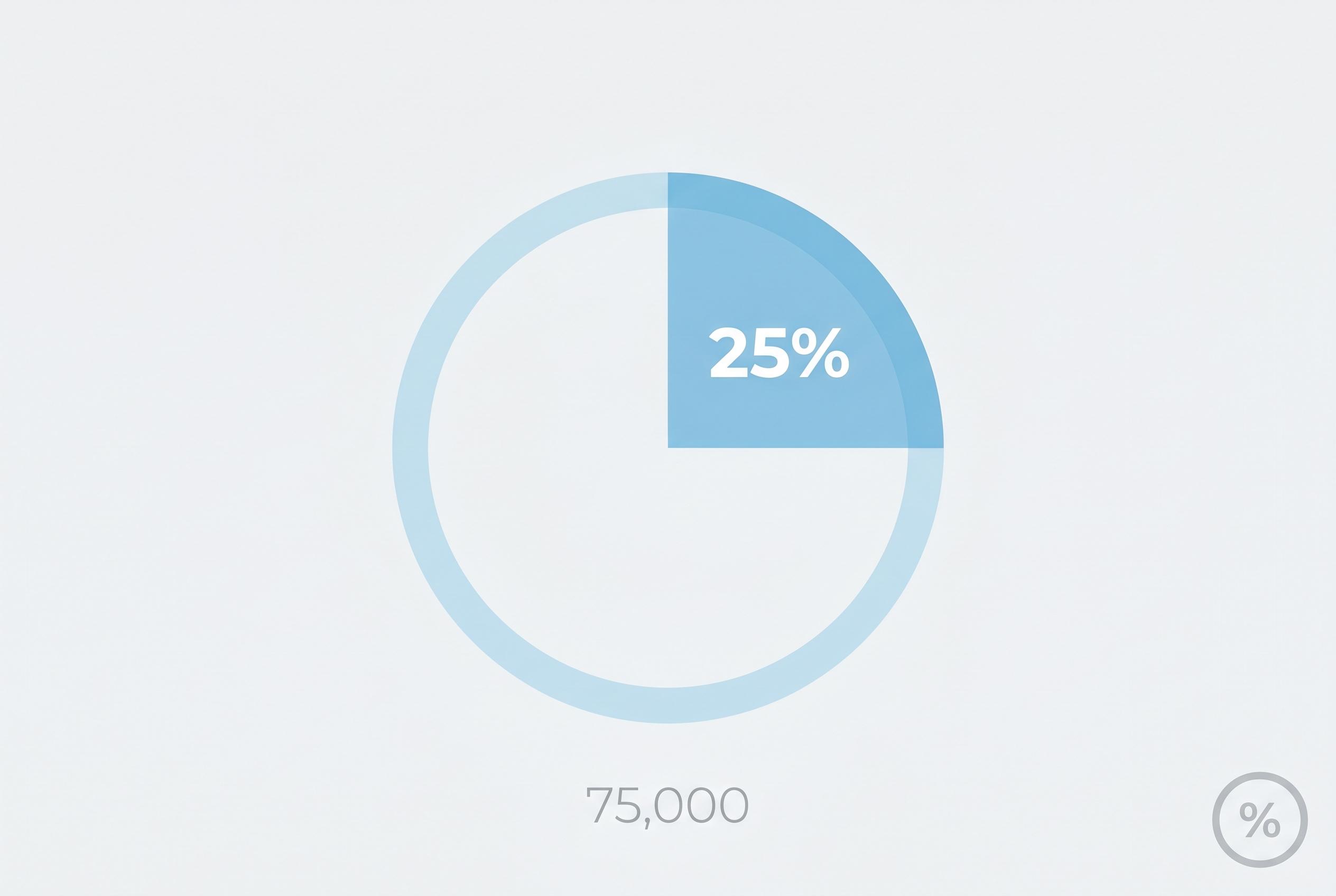
Deezer reports a dramatic increase in AI-generated tracks, with nearly 75,000 uploaded daily, prompting industry-wide calls for better detection and greater transparency amidst concerns over fraud and artist rights.
Deezer says AI-generated music now makes up a striking share of what arrives on its platform, with nearly 75,000 such tracks uploaded each day, or about 44% of all daily submissions. The French streaming company says the surge underlines how quickly generative music tools have lowered the barrier to creating and distributing songs at scale, even if most of that material attracts little listener attention.
According to Deezer’s latest figures, AI-made tracks still account for only 1% to 3% of total streams. But the company says the real pressure is coming from volume, not demand, and that a large share of the AI uploads it identifies are tied to fraudulent activity. Deezer says 85% of streams from fully AI-generated songs are flagged as fraudulent and are therefore demonetised.
The platform says it has responded by excluding AI-generated tracks from recommendation systems, cutting off monetisation for suspect content and no longer storing high-resolution versions of those files. Deezer also says it is the only streaming service tagging AI-generated music at scale, and it has begun licensing its detection technology to other firms. The company has also said it is developing methods that could identify AI music without needing training data, which would be important as new generators emerge.

Chief executive Alexis Lanternier said in a blog post that AI-generated music is no longer a niche issue and called for broader industry action to protect artists’ rights and improve transparency for listeners. Reporting from MusicRadar said Deezer has now identified more than 13.4 million AI-generated tracks since it introduced its detection tool in January 2025, while TechRadar noted the share of AI uploads has risen sharply over recent months. Other services are taking different approaches: Spotify has tightened its policies, Apple Music is asking for disclosure, Qobuz is labelling content automatically and Bandcamp has banned AI music altogether.
Source Reference Map
Inspired by headline at: [1]
Sources by paragraph:
Source: Noah Wire Services
Noah Fact Check Pro
The draft above was created using the information available at the time the story first
emerged. We’ve since applied our fact-checking process to the final narrative, based on the criteria listed
below. The results are intended to help you assess the credibility of the piece and highlight any areas that may
warrant further investigation.
Freshness check
Score:
10
Notes:
The article is based on a press release from Deezer dated April 20, 2026, which is the earliest known publication date for this information. The content appears original and has not been republished across low-quality sites or clickbait networks. No discrepancies in figures, dates, or quotes were found. The narrative is fresh and original.
Quotes check
Score:
10
Notes:
The direct quotes from Deezer’s CEO, Alexis Lanternier, are consistent across multiple reputable sources, including the original press release and other news outlets. No variations in wording or discrepancies were found, indicating the quotes are accurately reported.
Source reliability
Score:
10
Notes:
The primary source is Deezer’s official press release, which is a direct and authoritative source. Secondary sources include reputable news outlets such as TechCrunch, Ars Technica, and MusicRadar, all known for their journalistic integrity and independence. No concerns about source reliability were identified.
Plausibility check
Score:
10
Notes:
The claims about the surge in AI-generated music uploads on Deezer are plausible and supported by data from multiple reputable sources. The figures align with Deezer’s reported statistics and are consistent across different reports. No inconsistencies or implausible elements were found.
Overall assessment
Verdict (FAIL, OPEN, PASS): PASS
Confidence (LOW, MEDIUM, HIGH): HIGH
Summary:
The article is based on a recent and original press release from Deezer, with all claims corroborated by multiple reputable and independent sources. No significant concerns were identified regarding freshness, quotes, source reliability, plausibility, paywall issues, content type, or verification independence. The information is accurate and well-supported.

