


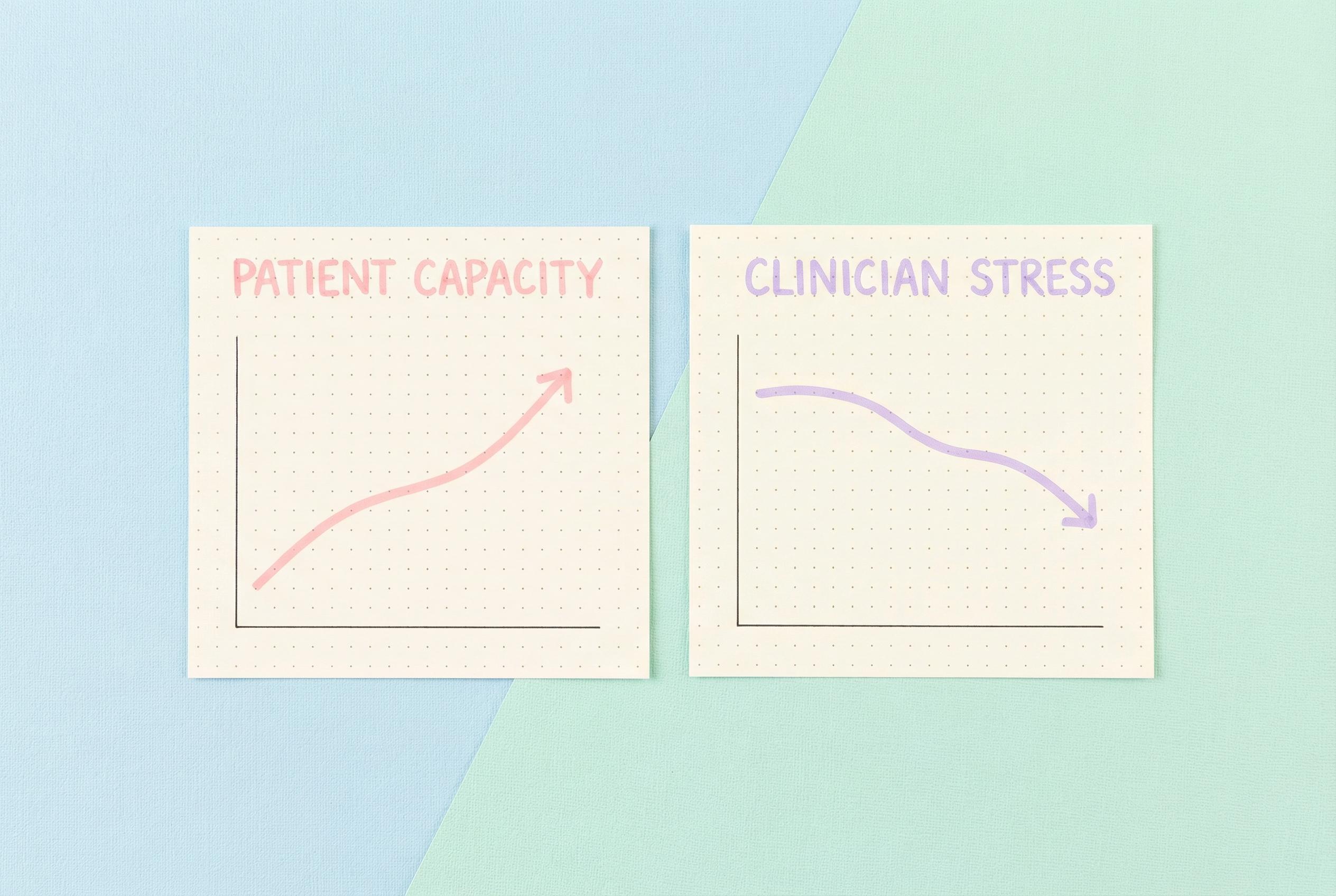
New Zealand has introduced an AI-powered scribe across every emergency department, allowing clinicians to see more patients and enhancing staff satisfaction, despite privacy and accuracy concerns highlighted by critics.
New Zealand has rolled out an artificial‑intelligence scribe across every emergency department, the health minister announced, saying the tool records consultations and produces draft clinical notes, referral letters and follow‑up summaries to free clinicians from paperwork. Health minister Simeon Brown said clinicians using the technology were able to see, on average, one extra patient per shift and that Auckland’s Middlemore Emergency Department reported strong staff satisfaction. According to IT Brief, the minister framed the move as one of the fastest transitions from pilot to national frontline AI use in emergency care. (Sources: ABC News, Ontario Hospital Association)
Brown described the technology as supporting clinicians rather than replacing them, stating: “AI will never replace clinical skill or judgement, but it will play an increasingly important role in supporting frontline healthcare staff and helping patients access care faster and more efficiently, now and into the future.” He also cited survey figures he said showed improvements to productivity and wellbeing during shifts. International analyses and health‑system pilots indicate similar efficiency gains have been recorded where AI scribes are deployed. (Sources: IT Brief, OECD, AMA)
Hospitals overseas report measurable time savings and capacity gains. A trial at Massachusetts General Hospital using a transcribing scribe helped physicians manage roughly 10–13% more patients , the equivalent of two to three additional patients per shift in some teams , and reduced hours spent on documentation. Industry vendors contend larger productivity lifts and revenue capture in emergency settings, while professional groups including the American Medical Association have reported clinicians saving about an hour a day on computer work when using ambient scribe tools. (Sources: Ontario Hospital Association, DocAssistant, AMA)

Despite the operational promise, clinicians and unions have flagged privacy and accuracy concerns. ASMS vice‑president Dr Sylvia Boys said staff were anxious about the security of patient information even though, she noted, the ministry states contracts include protections and the tool meets privacy standards. Critics point to wider international debate about the risk of data breaches and the potential for AI scribes to introduce misleading or incorrect content into records, concerns echoed in reporting by ABC News and clinical reviews. (Sources: IT Brief, ABC News, EB Medicine)
Practitioners also warn of practical limitations within busy emergency settings: ambient transcribers can misinterpret medical examinations or conflate details when clinicians see multiple patients and are subject to frequent interruptions, Dr Boys said. Independent reviews and an OECD assessment underline that most AI‑generated notes still require clinician review; the OECD found roughly 80% of notes needed at least minor edits, even where overall throughput increased. Integration challenges with legacy IT systems further constrain benefits in some hospitals. (Sources: IT Brief, OECD, EB Medicine)
The rollout represents a major step in digitising frontline care, but international experience suggests careful governance, robust privacy safeguards and investment in foundational IT will be essential to realise gains without compromising safety. Industry data and hospital pilots point to clear productivity and wellbeing advantages when oversight and clinician review are maintained; at the same time, regulators and health providers must confront accuracy, interoperability and data‑security risks as use expands. (Sources: OECD, Massachusetts General Hospital report via Ontario Hospital Association, ABC News)
Source Reference Map
Inspired by headline at: [1]
Sources by paragraph:
Source: Noah Wire Services
Noah Fact Check Pro
The draft above was created using the information available at the time the story first
emerged. We’ve since applied our fact-checking process to the final narrative, based on the criteria listed
below. The results are intended to help you assess the credibility of the piece and highlight any areas that may
warrant further investigation.
Freshness check
Score:
10
Notes:
The article is dated 3 March 2026, and the information aligns with recent reports from 28 February 2026, indicating high freshness. ([beehive.govt.nz](https://www.beehive.govt.nz/release/ai-scribe-now-every-emergency-department?utm_source=openai))
Quotes check
Score:
8
Notes:
The direct quote from Health Minister Simeon Brown is consistent across multiple sources, suggesting originality. However, the exact earliest usage of this quote cannot be determined from the available information.
Source reliability
Score:
9
Notes:
The article originates from IT Brief New Zealand, a reputable technology news outlet. The primary source, Health Minister Simeon Brown, is a credible government official. However, the article relies on a single source for the quote, which slightly reduces its reliability.
Plausibility check
Score:
9
Notes:
The claims about the AI scribe tool’s impact on clinician productivity and patient care are plausible and supported by similar reports from other reputable sources. ([beehive.govt.nz](https://www.beehive.govt.nz/release/ai-scribe-now-every-emergency-department?utm_source=openai))
Overall assessment
Verdict (FAIL, OPEN, PASS): PASS
Confidence (LOW, MEDIUM, HIGH): MEDIUM
Summary:
The article provides timely and plausible information about the deployment of AI scribe tools in New Zealand’s emergency departments, with quotes from a credible source. However, the reliance on a single source for the quote and the inability to verify the earliest usage of the quote slightly reduce the overall confidence in the content’s originality and accuracy.

