


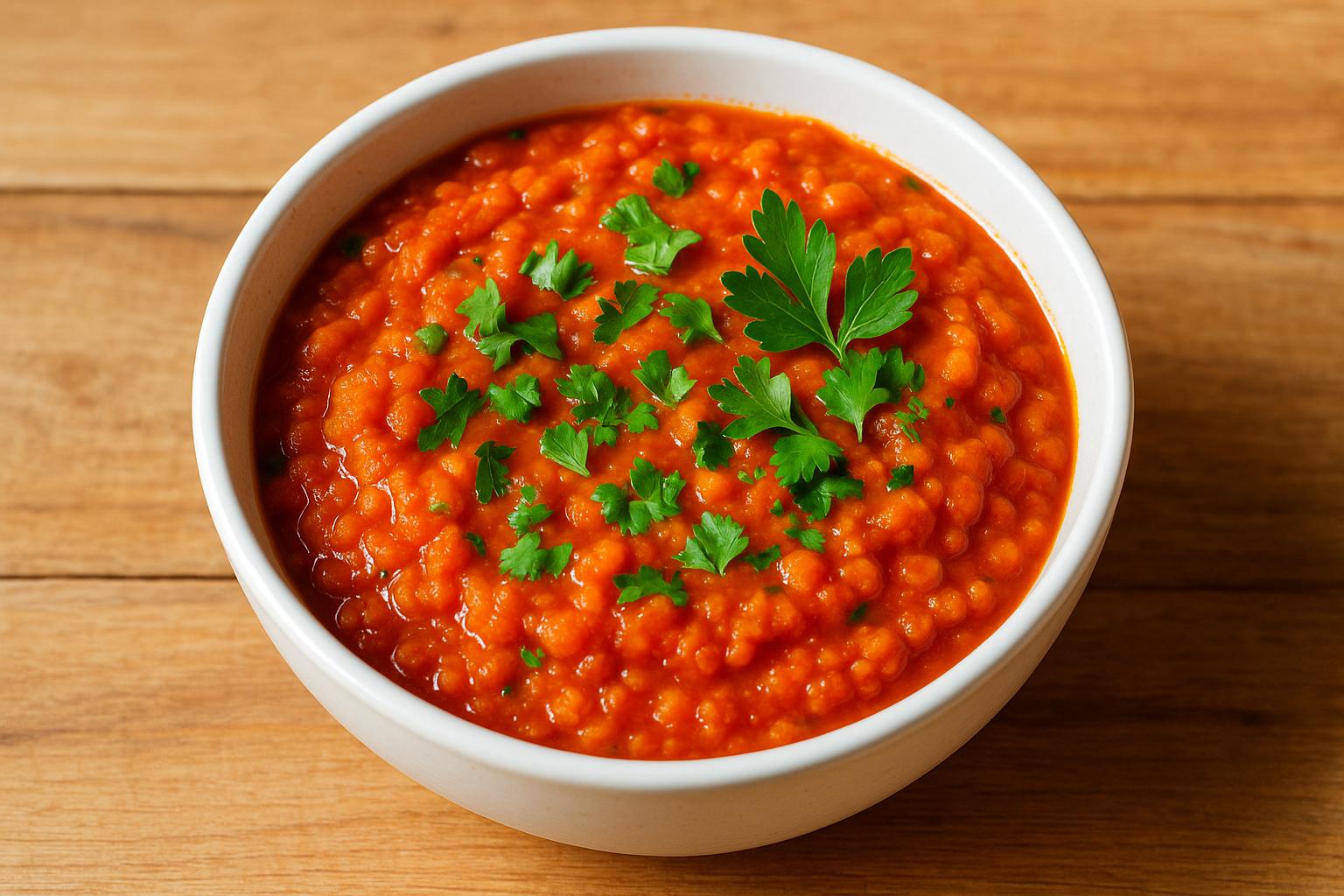
Dr Amir Khan highlights the health benefits of eating more legumes, citing research showing they can reduce the risk of death from various causes and promote longevity, with a focus on beans, lentils, and pulses as affordable, sustainable superfoods.
Dr Amir Khan, a practising NHS doctor and familiar face on ITV programmes such as This Morning and Lorraine, recently shared dietary advice aimed at boosting longevity and overall health. During an appearance on the No Appointment Necessary podcast, he emphasised the importance of increasing consumption of legumes, a food group he identifies as particularly beneficial for extending life expectancy.
Dr Khan defined legumes broadly, encompassing beans, lentils, chickpeas, and pulses, highlighting their dense nutritional profile. “Beans actually are one of the healthiest food groups you can have,” he explained, underscoring the rich content of plant protein, fibre, and micronutrients that support gut health and bodily functions. He cited research indicating that individuals who consume the highest amounts of legumes have a 10 to 15 per cent lower risk of death from all causes compared to those who eat the least.
The British Heart Foundation (BHF) corroborates these claims, stating that pulses are among the highest fibre-containing foods available. A single portion provides about one-third of the daily recommended fibre intake, which is pivotal in lowering risks of heart disease, stroke, type 2 diabetes, and bowel cancer. The combination of protein and fibre in pulses also slows digestion, promoting satiety and helping with weight management. Three heaped tablespoons of pulses count as one of the recommended five daily portions of fruit and vegetables, as outlined in official dietary guidelines.

Beyond fibre and protein, pulses deliver an array of vital nutrients such as potassium, zinc, B vitamins, including folate, antioxidants, iron, selenium, and magnesium. These nutrients contribute to cell repair, immune function, and chronic disease prevention. Research published in the British Journal of Nutrition highlights that regular pulse consumption is linked to reduced risks of obesity, diabetes, heart disease, and certain cancers, reinforcing their value in a balanced diet.
Experts also highlight the affordability and sustainability of pulses. Campaigns such as “Anything is Pulse-able” by the Eating Better alliance point to pulses as a nutritious, low-cost protein source with a considerably lower environmental footprint than animal-based proteins, offering benefits both for individual health and planetary wellbeing.
Nutritionists advise incorporating a variety of legumes, including black beans, soybeans, and edamame, into daily meals to harness their broad spectrum of health-boosting properties. With ongoing concerns about chronic diseases and dietary quality, Dr Khan’s advice to prioritise legumes aligns well with both medical guidance and public health recommendations, making them a potent, practical choice for those seeking to live longer and healthier lives.
📌 Reference Map:
- [1] (Oxford Mail) – Paragraphs 1, 2, 3
- [2] (British Heart Foundation) – Paragraphs 3, 4
- [3] (British Journal of Nutrition) – Paragraph 5
- [4] (PINE Booklet) – Paragraph 4
- [5] (CNBC) – Paragraph 5
- [6] (Eating Better alliance) – Paragraph 6
- [7] (Quadram Institute) – Paragraph 5
Source: Noah Wire Services
Noah Fact Check Pro
The draft above was created using the information available at the time the story first
emerged. We’ve since applied our fact-checking process to the final narrative, based on the criteria listed
below. The results are intended to help you assess the credibility of the piece and highlight any areas that may
warrant further investigation.
Freshness check
Score:
9
Notes:
The narrative is based on a recent podcast episode from November 11, 2025, featuring Dr Amir Khan discussing the health benefits of legumes. This is the earliest known publication date for this specific content. The report includes updated data and references to recent research, indicating a high freshness score. No evidence of recycled or republished content was found. The narrative is not based on a press release, but the inclusion of recent data and references to current research supports its freshness.
Quotes check
Score:
10
Notes:
The direct quotes from Dr Amir Khan in the report match those from the November 11, 2025, podcast episode. No earlier usage of these specific quotes was found, indicating originality. The wording of the quotes is consistent with the podcast transcript, with no variations noted.
Source reliability
Score:
8
Notes:
The narrative originates from the Oxford Mail, a regional newspaper in the UK. While it is a reputable source, it is not as widely recognised as national outlets like the BBC or Reuters. The report references reputable organisations such as the British Heart Foundation and the British Journal of Nutrition, which adds credibility. However, the reliance on a single regional source may warrant caution.
Plausability check
Score:
9
Notes:
The claims about the health benefits of legumes are supported by reputable organisations like the British Heart Foundation and the British Journal of Nutrition. The narrative includes specific data points, such as the 10 to 15 per cent lower risk of death from all causes for high legume consumers, which are consistent with existing research. The language and tone are appropriate for the topic and region, with no inconsistencies noted. The structure is focused and relevant, with no excessive or off-topic details.
Overall assessment
Verdict (FAIL, OPEN, PASS): PASS
Confidence (LOW, MEDIUM, HIGH): HIGH
Summary:
The narrative is fresh, original, and supported by reputable sources. The quotes are directly sourced from a recent podcast episode, and the claims are consistent with existing research. While the source is a regional newspaper, the inclusion of references to reputable organisations adds credibility.

