





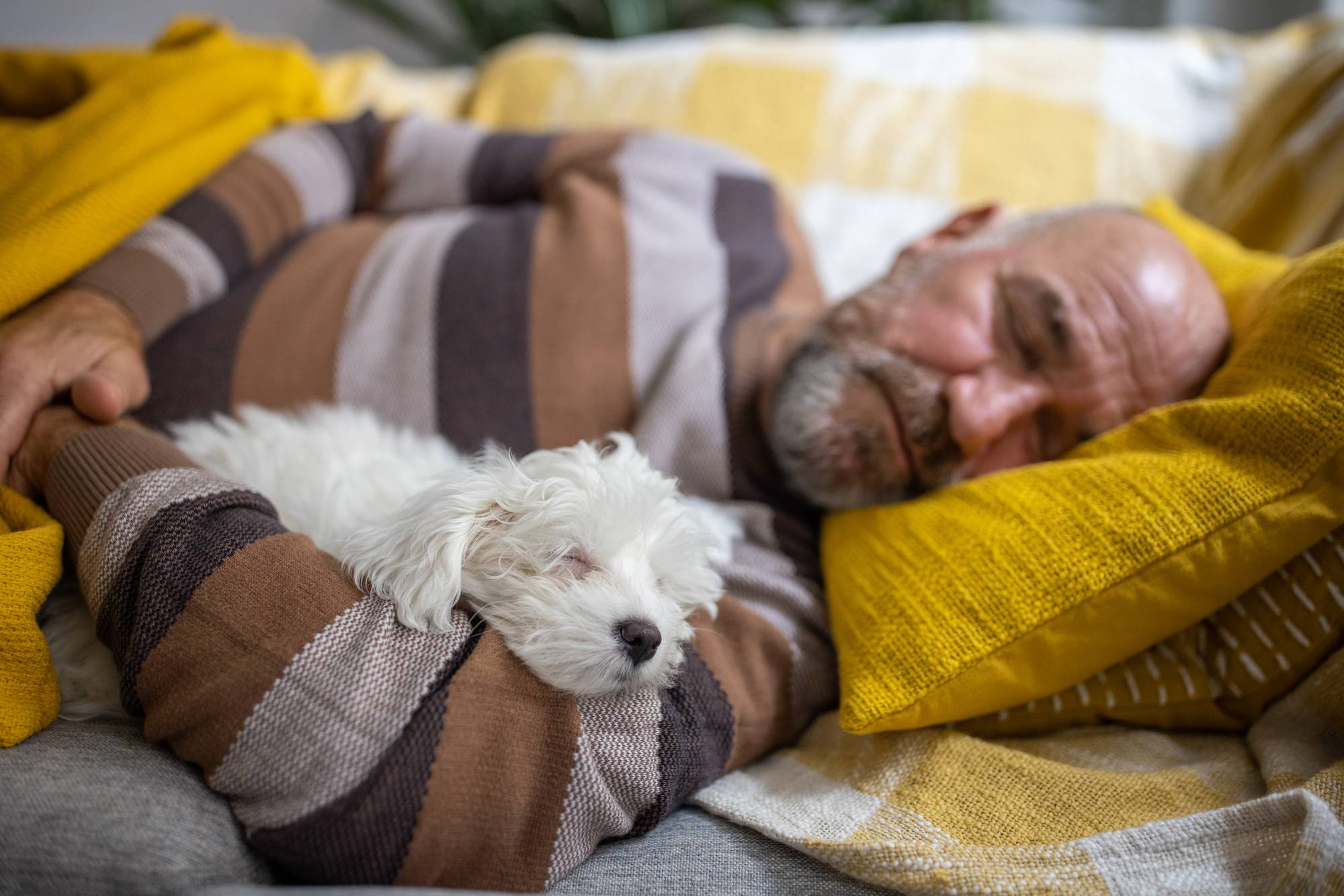
As we age, changes in our bodies, medications and health conditions can make it harder to sleep well but that doesn’t mean sleep is any less important
You’ve probably heard that older adults tend to sleep less than younger people. But contrary to popular belief, that’s not because you need less sleep as you get older – it just becomes harder to come by, says Neda Najimi, MD, a neurologist and sleep medicine specialist at Kaiser Permanente in Maryland.
Sleep requirements vary between individuals, but most adults (of all ages) need at least seven hours a night, according to the Mayo Clinic. The reason so many people believe otherwise is that, as we get older, sleep tends to get lighter and more disrupted, Najimi says.
“The key thing to understand is that there’s a big difference between needing sleep and being able to get it.”
“Many older adults wake up more during the night or find it harder to fall back asleep, so they end up getting less rest, but it’s not because their bodies need less,” Najimi says. “The key thing to understand is that there’s a big difference between needing sleep and being able to get it.”
As we age, changes in our bodies, medications and health conditions can make it harder to sleep well, but that doesn’t mean sleep is any less important, Najimi continues. In fact, she says getting good sleep is crucial for memory, mood, heart health and maintaining independence, among other things.
Why Aging Affects Sleep
“Instead of accepting poor sleep as ‘just part of aging,’ we should recognize it as a health issue worth addressing and something that can often be improved,” Najimi says. Read on to find out why sleep changes with age and what you can do about it.
Multiple factors contribute to age-related sleep problems, including health conditions and natural bodily changes.
Circadian Rhythm Changes
As we age, our internal clock – called the circadian rhythm – tends to shift earlier, so you might feel tired earlier in the evening and wake up earlier in the morning, says Raj Dasgupta, MD, director of the Internal Medicine residency program at Huntington Memorial Hospital in Los Angeles and chief medical advisor for Sleepopolis. “It’s kind of like being on a permanent version of jet lag,” Dasgupta says. “This shift can make it harder to stay asleep through the night or feel rested if you’re waking up at 4 or 5 a.m. before you really want to.”
This phenomenon, known as “phase advance,” occurs because the part of the brain that helps control our daily rhythms — the suprachiasmatic nucleus (SCN) — becomes less sensitive with age, Najimi explains. “On top of that, older adults often get less natural light during the day and their bodies produce less melatonin, the hormone that helps signal when it’s time to sleep,” Najimi says. “All of this can throw off the natural timing of sleep.”
Health Conditions
Various health conditions — some of which become more prevalent with age — can also affect sleep. According to the Sleep Foundation, common culprits include:
- Pain: Chronic pain, a problem for about 38% of older Americans, can make it harder to fall or stay asleep. It can also cause daytime fatigue, creating a vicious cycle.
- Nighttime urination (nocturia): Physical changes in the urinary system, among other factors, can cause nocturia, which affects up to 80% of older adults.
- Insomnia: As much as 75% of older American adults have symptoms of insomnia, the most common sleep disorder, according to a 2019 review article.
- Daytime drowsiness: Approximately 20% of older adults experience excessive daytime sleepiness (EDS), which can increase the likelihood of napping (more on that later). Despite what you may have heard, this isn’t a regular part of aging and can signal an underlying health issue, such as sleep apnea or cardiovascular problems.
- Sleep apnea: Obstructive sleep apnea (OSA) occurs when your upper airway collapses or narrows, while central sleep apnea (CSA) happens when your brain doesn’t communicate properly with the muscles involved in breathing. These issues make it harder to breathe at night, resulting in sleep disruptions and side effects such as headaches and difficulty thinking clearly. About 425 million people worldwide have moderate to severe OSA, the most common form of sleep apnea.
- Restless leg syndrome (RLS): If you have an irresistible urge to move your legs while at rest, it could be RLS, a condition affecting 18 to 35% of people ages 40 and older.
- Periodic limb movement disorder (PMLD): Between 29 and 85% of people over 60 have PMLD, which causes involuntary twitching or jerking of the lower limbs during sleep.
- REM Sleep Behavior Disorder (RBD): People with RBD physically or vocally act out their dreams while sleeping during the rapid eye movement (REM) sleep stage. This condition primarily affects men ages 50 and older.
Mental health conditions such as anxiety and depression (and some medications used to treat them) often impede sleep as well, according to an analysis published in Sleep Medicine. Additionally, medications such as beta blockers, decongestants, diuretics, steroids (usually prescribed to reduce inflammation or suppress the immune system), and smoking cessation drugs can interrupt the sleep cycle or make it harder to fall asleep, according to Harvard Health Publishing.
What Happens When You Don’t Get Enough Sleep?
Consistently poor or insufficient sleep can lead to several potentially serious issues, Najimi says. “You don’t have to feel exhausted to be sleep-deprived,” she stresses. “Your brain and body notice even if you don’t.”
“You don’t have to feel exhausted to be sleep-deprived. Your brain and body notice even if you don’t.”
In the short term, a lack of good-quality sleep can make you feel groggy, tired, more forgetful, and more anxious or depressed. It can also impair mobility and concentration and raise your risk of falls and other accidents.
Over time, it can lead to a cascade of health problems, says Sudha Tallavajhula, MD, sleep neurologist at UTHealth Houston and the director of the Neurological Sleep Medicine Center at TIRR Memorial Hermann in Houston. “Sleep is a biological need as much as food, water and air,” she says. Sleep affects nearly every aspect of health, including hormones, immunity, digestion, the cardiovascular system and neurological activity, she says.
“For older adults, getting good sleep can reduce the risk of falls, depression and chronic conditions like heart disease and diabetes,” Najimi says. “On the other hand, consistently poor sleep or not getting enough sleep can speed up cognitive decline, worsen existing health problems, and make it harder to stay active and independent. In short, good sleep isn’t a luxury, it’s a foundation for healthy aging.”
7 Tips for Better Sleep
If you’re having trouble sleeping or frequently feel tired or groggy during the day, it’s essential to consult your doctor to rule out or manage underlying health issues. You can also try the following tips.
1. Be consistent: “Going to bed and waking up at the same time every day, including weekends, can help regulate your circadian rhythms and support better-quality sleep,” says April Williams, Atlanta-based director of pulmonary and sleep care at West Jefferson Medical Center, a subsidiary of LCMC Health.
2. Get some sunlight: Exposure to natural light, especially in the morning, can also help reinforce your natural circadian rhythms, Williams continues. Moreover, she says, it can promote melatonin production at night. Going for a short walk or jog is ideal, since regular exercise also improves sleep, according to research. But even opening the blinds or sitting outside can help, Najimi says. Along the same lines, try to avoid light (including screens) late at night.
3. Limit food and fluids before bed: Eating dinner later in the evening can disrupt sleep and circadian rhythms, Tallavajhula says, so it’s best to eat a light meal at least two hours before bedtime. If you often wake up to use the bathroom, limit your fluid intake in the hour or two before bed, as well. Besides water and herbal tea, this includes fluid-rich foods like celery, cucumbers, iceberg lettuce and tomatoes.
4. Cut back on caffeine and alcohol: “Both can mess with your sleep more than people realize, especially as we age,” Dasgupta says, aligning with the University of Washington. If you enjoy coffee or caffeinated tea, reserve it for the morning, and avoid alcohol for at least three hours before bedtime. Nightcaps can help you fall asleep faster, but you’re more likely to sleep lighter and wake up during the night.
5. Limit naps: Power naps are OK but napping for too long or too late could interfere with your sleep at night, Dasgupta says. Keep naps brief (15-30 minutes) and earlier in the day.
6. Create a sleep-friendly environment: Najimi recommends keeping your bedroom cool (around 65 degrees), dark and quiet. “A calm setting signals your brain that it’s time to rest,” she says. “White noise or blackout curtains can help block out disruptions.”
7. Establish a routine: Creating a relaxing bedtime routine, like taking a warm bath, doing gentle stretches or reading can help signal to your body that it’s time to wind down, Williams says. “It’s also helpful to avoid screens (television, phone or tablet) in the hour before bed, since the light can interfere with the brain’s natural sleep signals,” she adds.

Read the full article here